1798
Ship in the Arctic Ocean

Caspar David Friedrich
1774 - 1840Location
Kunsthalle Hamburg, Hamburg, GermanyListen to curator's interpretation
Curatorial notes
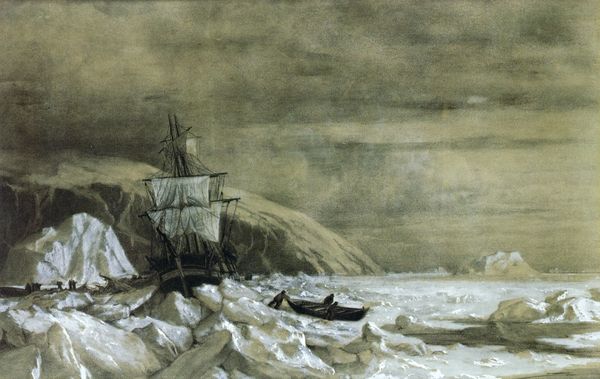
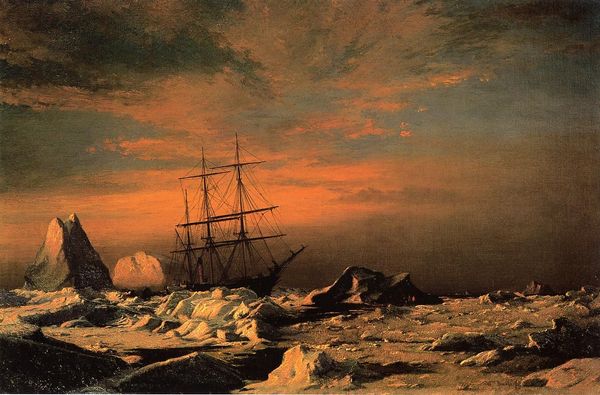
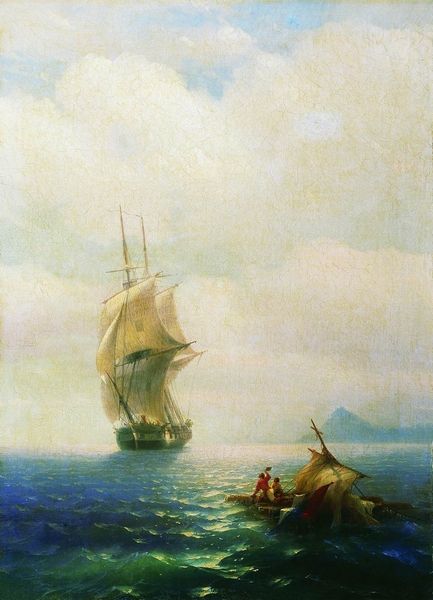
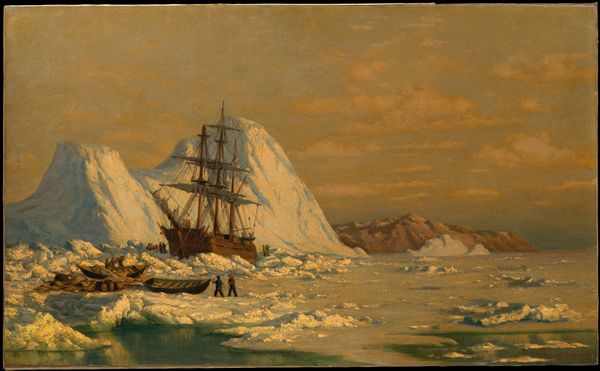
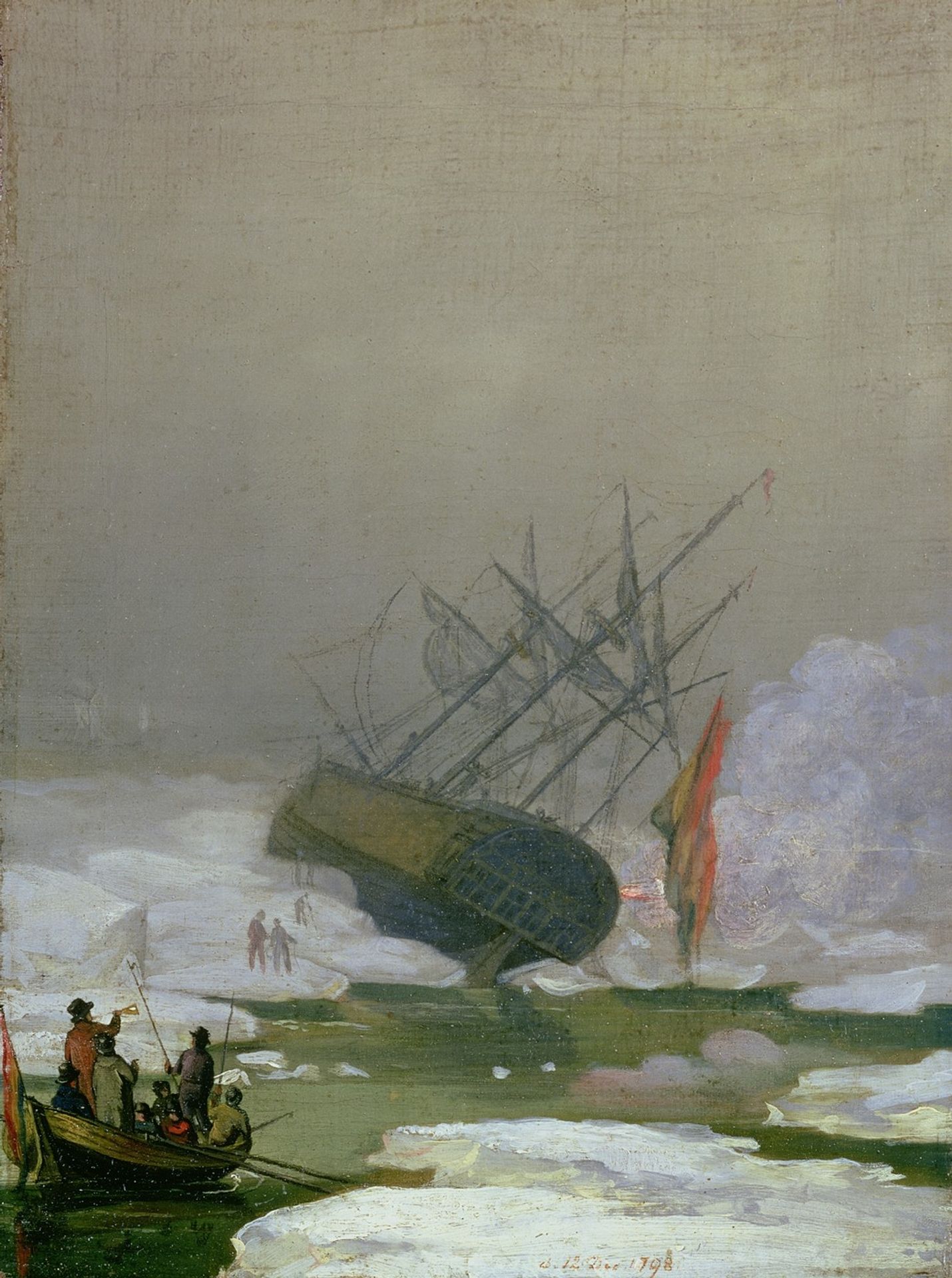
Caspar David Friedrich painted "Ship in the Arctic Ocean" with oil on canvas, presenting us with a stark, icy tableau. The dominant symbol is, of course, the shipwreck itself, a motif laden with historical and cultural significance. The shipwreck can be seen as a modern-day interpretation of the "vanitas" found in Dutch Golden Age paintings, a reminder of mortality and the futility of human endeavor against the overwhelming forces of nature. The imagery of broken ships, scattered debris, and the perilous sea has long been a powerful symbol. In ancient mythology, shipwrecks often represented divine retribution or the tragic fate of heroes. Over time, the shipwreck has been reinterpreted, evolving into a symbol of ambition, exploration, and the hubris of man. Friedrich's painting captures the emotional and psychological weight of the wreck, engaging viewers on a subconscious level, evoking feelings of awe and terror. This symbol has resurfaced across centuries, constantly evolving, attesting to its place within our collective cultural memory.