
Curatorial notes
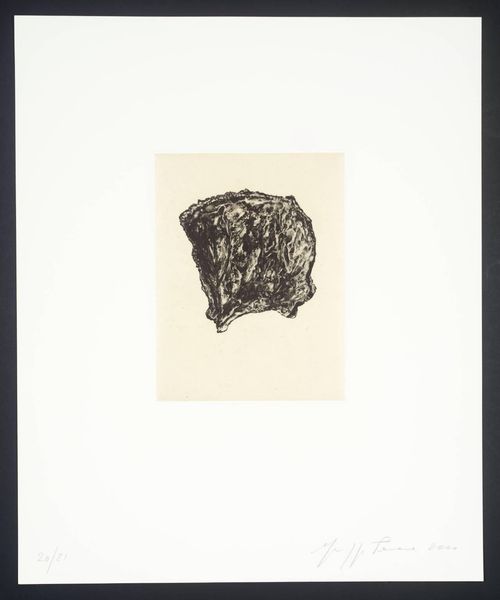
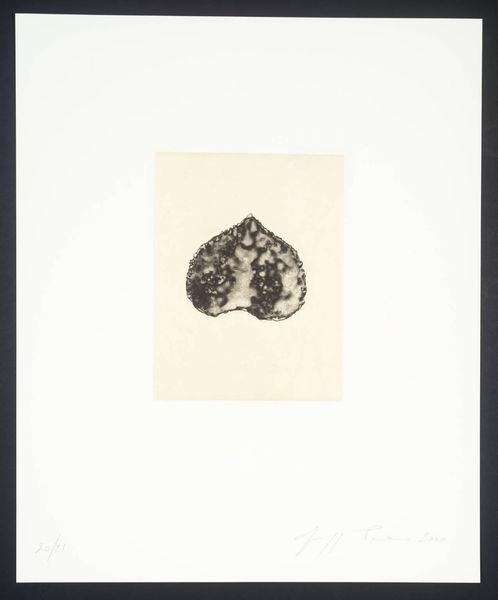
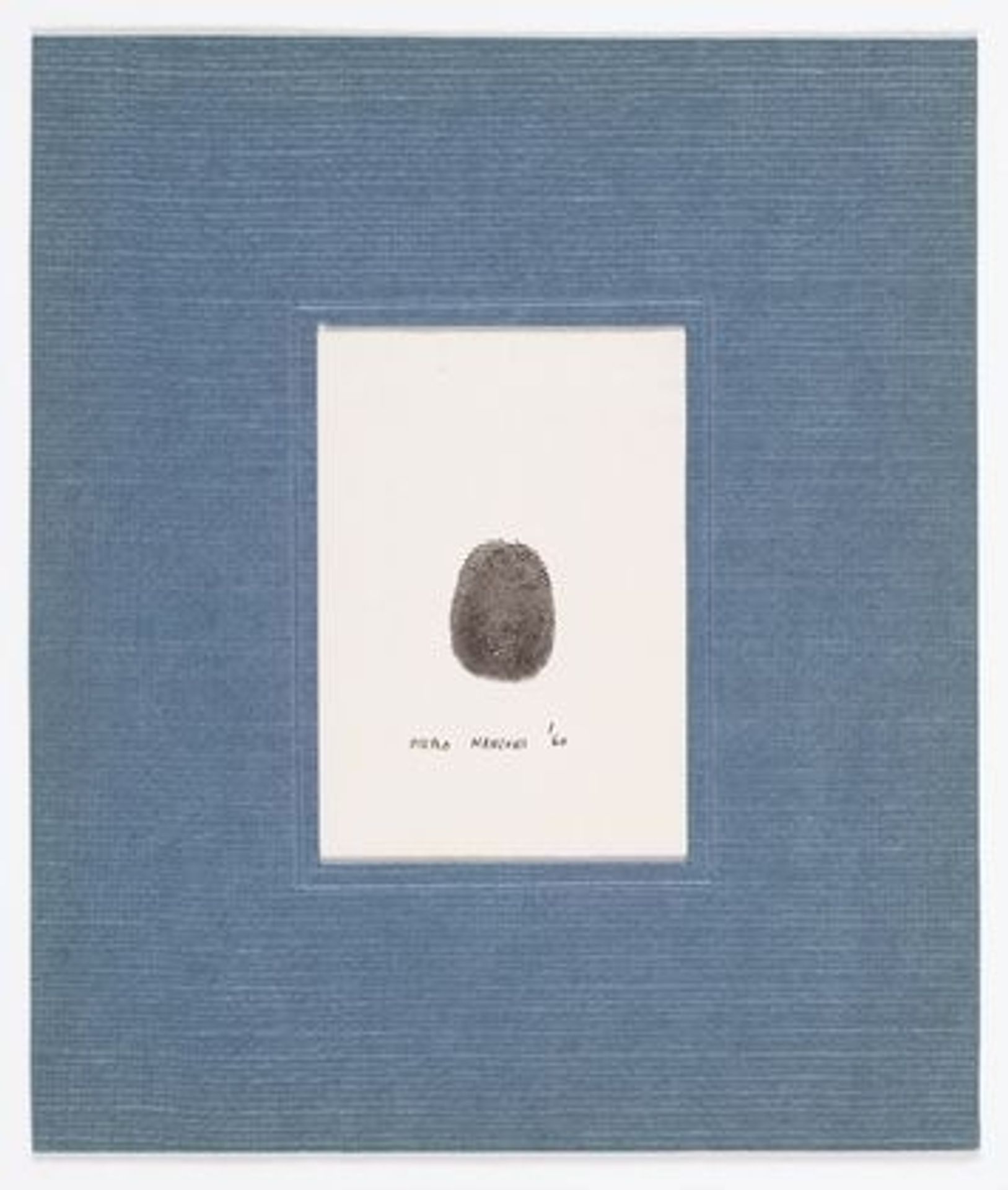
Curator: So, here we have "Thumbprint" by Piero Manzoni, created in 1960. It's a print on paper. The first thing that jumps out at me, honestly, is how lonely that little thumbprint looks in all that white space. It’s surprisingly…poignant? Editor: I agree, the vast emptiness accentuates the singularity and uniqueness implied in a thumbprint. For centuries, the thumbprint has been used as a form of identification, a marker of selfhood and authentication, tracing back to ancient civilizations that used them to sign clay tablets. Curator: Exactly. And knowing Manzoni, it’s hard not to see a cheeky jab at the art world here too. I mean, what’s more personal, more undeniably "you" than your own thumbprint? It's almost aggressively minimalist. He’s signing the work with, well, himself. It is his signature but also challenges what makes an artwork valuable. Editor: Absolutely. And thumbprints transcend language. This simple mark instantly signifies identity across cultures, across time. The visual weight is fascinating, especially given Manzoni’s radical redefinition of art that challenged our perceptions, like his "Artist’s Shit," for instance. The icon is simultaneously intimate and anonymous. Curator: Yes, but in typical Manzoni style, there’s a mischievous element. He seems to be both claiming ownership and poking fun at the very notion of it. Does owning your art mean owning a piece of you? How do you feel about such personal icons displayed publicly? Editor: It blurs lines. Consider how cultures ritually handled hair or nail clippings of revered leaders – personal elements imbued with significance after their originators pass on. Here, the thumbprint becomes an almost relic, amplified by its mass reproduction as a print but at the same time distilled down to one core, iconic imprint, demanding reflection. Curator: I suppose, ultimately, it comes down to what you make of it, doesn't it? A symbol of the self, a sardonic commentary, a really cool looking blob of ink on paper... It’s strangely compelling, wouldn’t you agree? Editor: Without a doubt. It’s an enduring reminder that identity is written within the very fabric of our being, literally at our fingertips, influencing even conceptual frameworks.