About this artwork
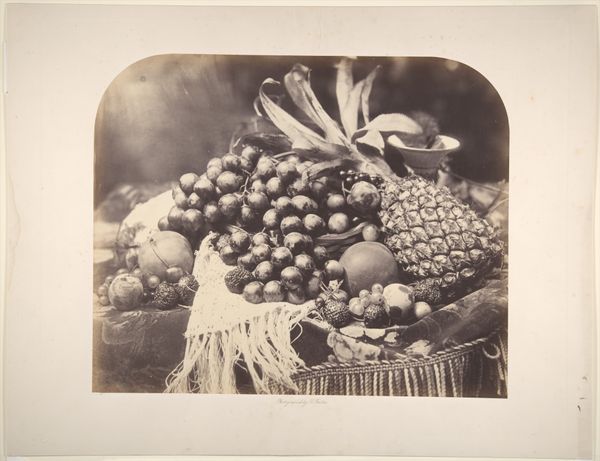
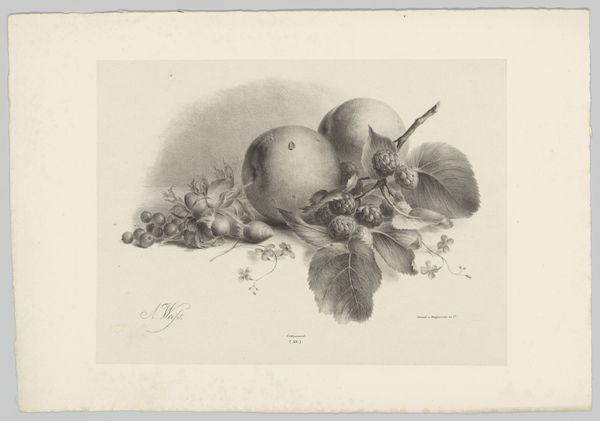
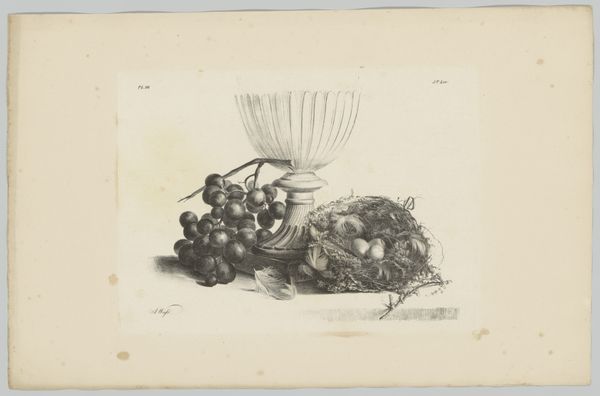
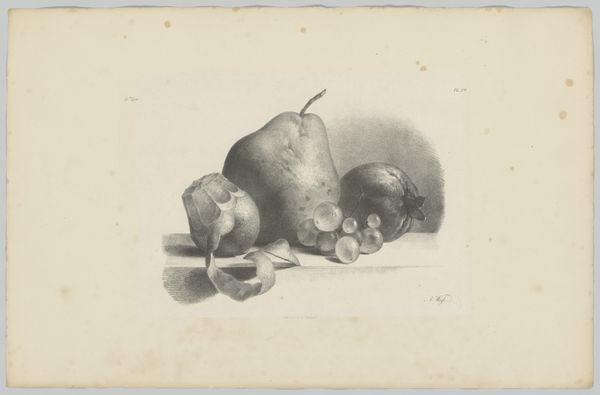
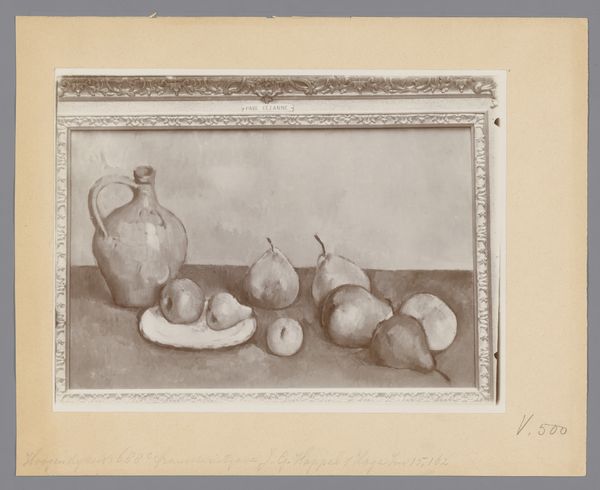
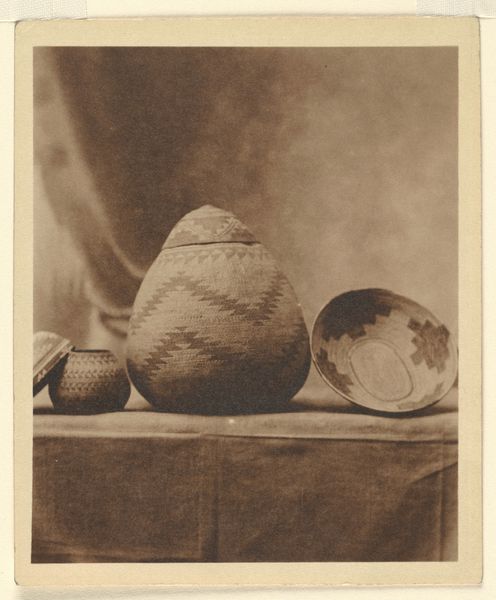
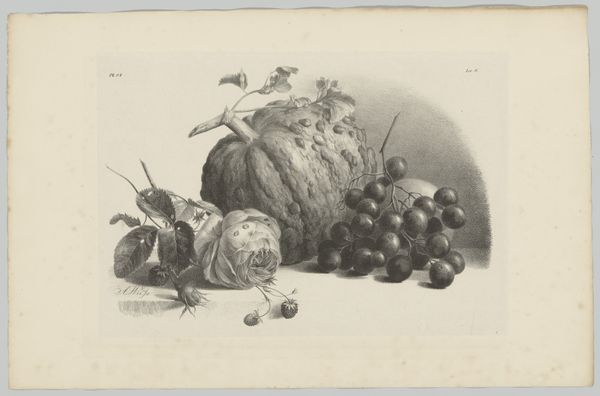
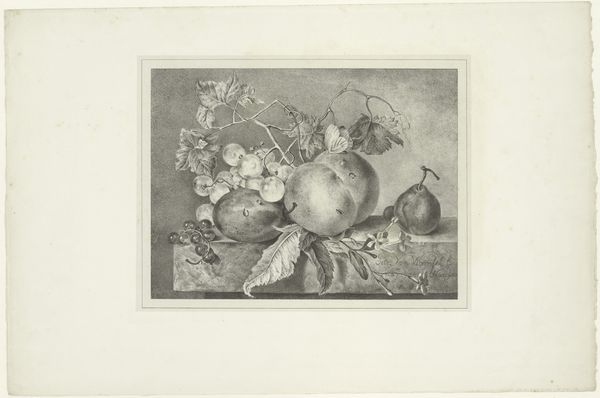
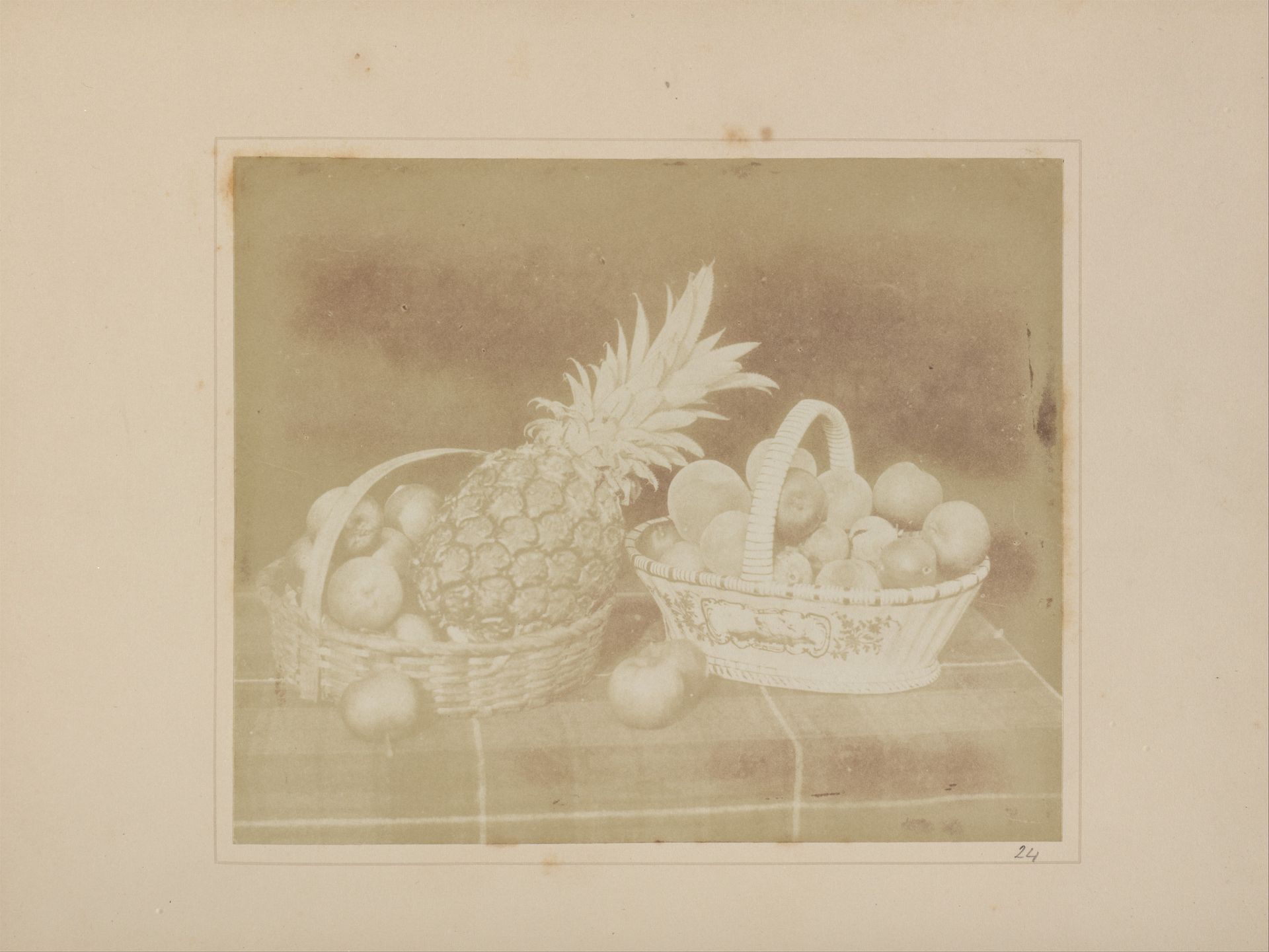
William Henry Fox Talbot made this photogenic drawing of fruit in England sometime in the first half of the 19th century. The new medium of photography provided a means of picturing the world with unprecedented accuracy, but it also offered a way of re-imagining the traditional genres of painting. Still life was considered a lower category in the hierarchy of painting. But with photography, artists had an opportunity to challenge these established norms. The choice of fruit, arranged in baskets on a checkered cloth, is a deliberate reference to the conventions of painting. Yet, by using photography, Talbot was able to approach the genre with fresh eyes. The contrast between light and shadow, the textures of the fruit, and the detail of the woven baskets are all brought to life in a way that suggests the unique potential of photography as an art form. Further research into the archives of the period will help us understand the cultural context in which Talbot was working, and the ways in which photography was challenging established artistic conventions.
A Fruit Piece
1844 - 1846

William Henry Fox Talbot
1800 - 1877
The Metropolitan Museum of Art
Metropolitan Museum of Art, New York, NYArtwork details
- Medium
- photography, gelatin-silver-print
- Location
- Metropolitan Museum of Art, New York, NY
- Copyright
- Public Domain
Tags
Comments
Share your thoughts
About this artwork
William Henry Fox Talbot made this photogenic drawing of fruit in England sometime in the first half of the 19th century. The new medium of photography provided a means of picturing the world with unprecedented accuracy, but it also offered a way of re-imagining the traditional genres of painting. Still life was considered a lower category in the hierarchy of painting. But with photography, artists had an opportunity to challenge these established norms. The choice of fruit, arranged in baskets on a checkered cloth, is a deliberate reference to the conventions of painting. Yet, by using photography, Talbot was able to approach the genre with fresh eyes. The contrast between light and shadow, the textures of the fruit, and the detail of the woven baskets are all brought to life in a way that suggests the unique potential of photography as an art form. Further research into the archives of the period will help us understand the cultural context in which Talbot was working, and the ways in which photography was challenging established artistic conventions.
Comments
Share your thoughts