About this artwork
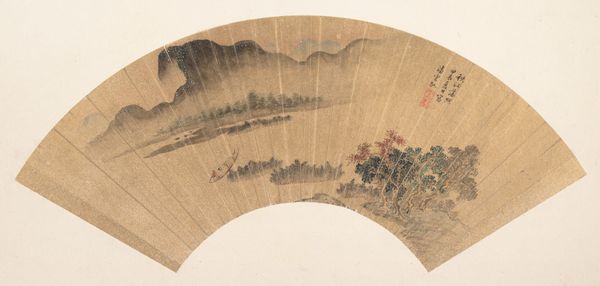
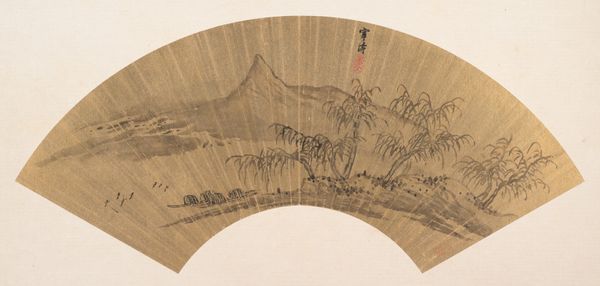
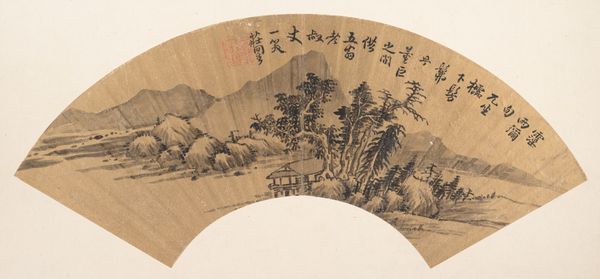
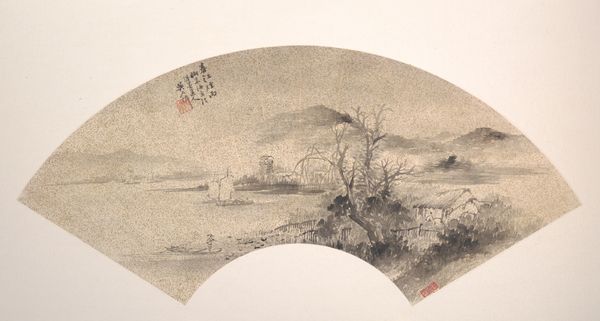
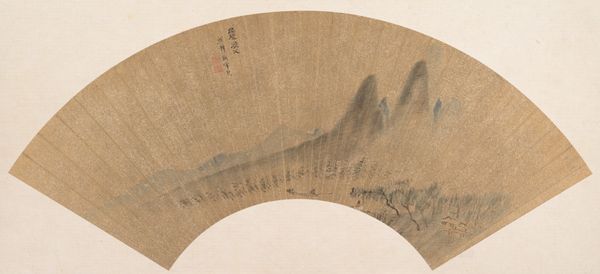
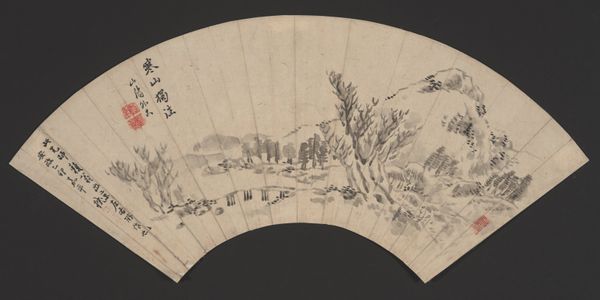
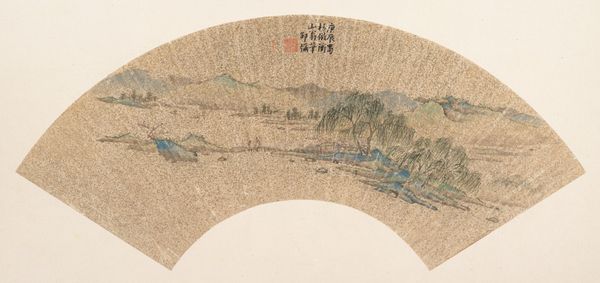
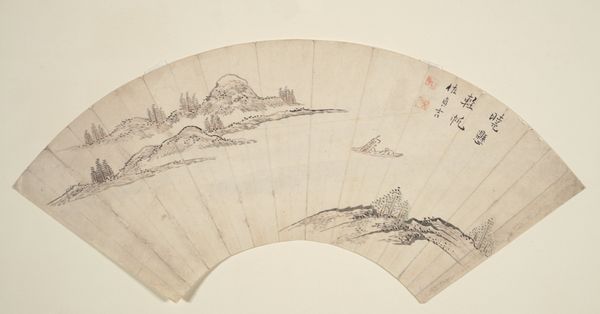
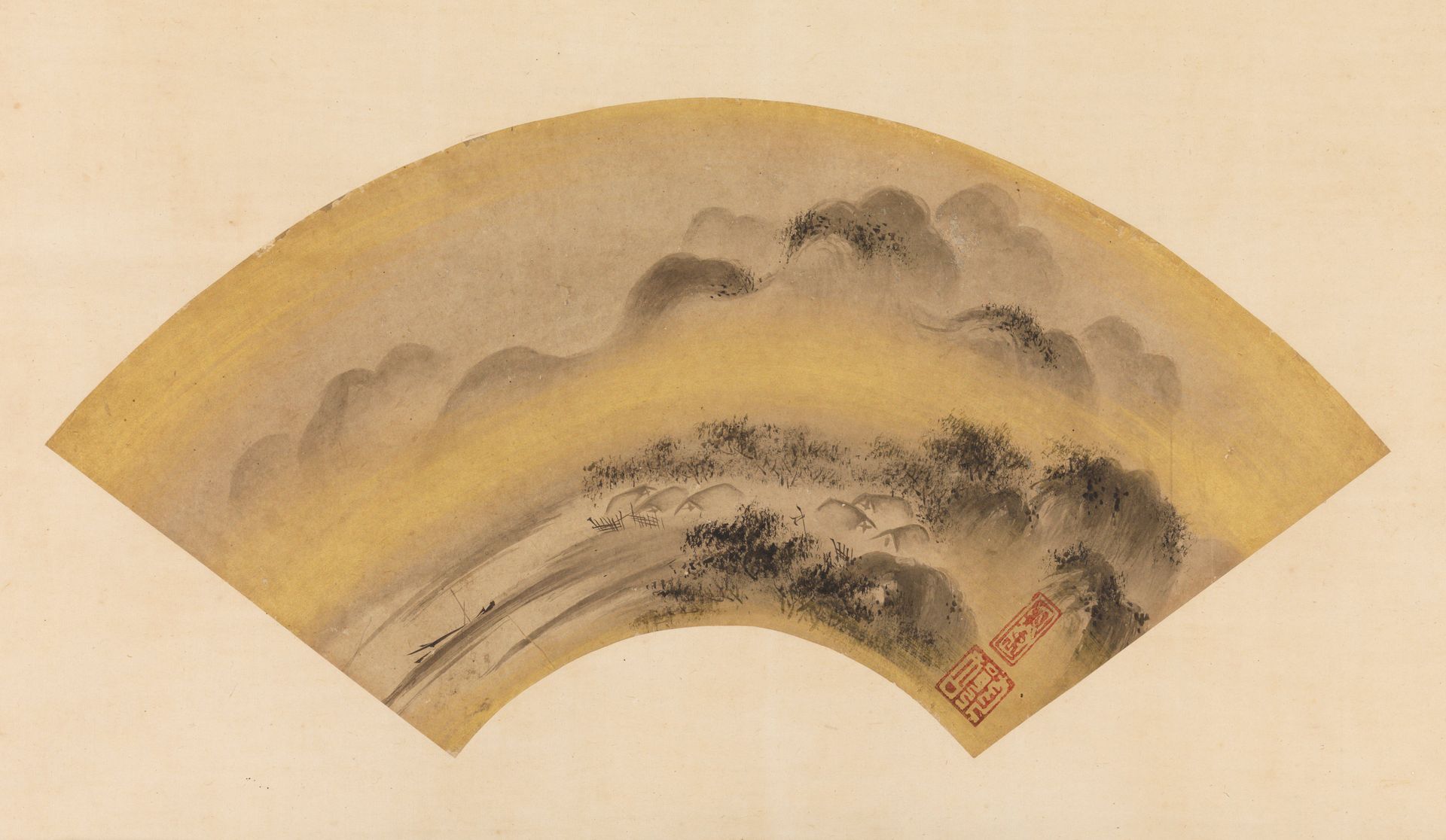
Shikibu Terutada created "Fishing Village in Evening Glow" using ink and color on paper in the mid-16th century, during the Muromachi period in Japan. Terutada, who came from a family of artists, lived in an era marked by political instability and social change. This fan painting captures a serene scene of daily life, with delicate brushstrokes depicting a humble fishing village nestled by the sea, rendered in muted tones of gray, black and gold. The choice of subject matter is important, reflecting an interest in the lives of ordinary people, and moving away from the idealized landscapes often depicted in earlier periods. While seemingly a tranquil representation, we can consider the intersections of class and labor. The fishermen, who belong to a lower social class, are working to provide for their families. The artist's focus on naturalism and the quiet dignity of everyday life invites us to reflect on the value of simplicity, and the quiet strength of those who lived through turbulent times.
Fishing Village in Evening Glow
c. 16th century


Artwork details
- Dimensions
- 10 1/2 × 20 7/8 in. (26.67 × 53.02 cm) (image)49 3/8 × 25 1/4 in. (125.41 × 64.14 cm) (mount, outer mount)
- Location
- Minneapolis Institute of Art
- Copyright
- Public Domain
Comments
Share your thoughts
About this artwork
Shikibu Terutada created "Fishing Village in Evening Glow" using ink and color on paper in the mid-16th century, during the Muromachi period in Japan. Terutada, who came from a family of artists, lived in an era marked by political instability and social change. This fan painting captures a serene scene of daily life, with delicate brushstrokes depicting a humble fishing village nestled by the sea, rendered in muted tones of gray, black and gold. The choice of subject matter is important, reflecting an interest in the lives of ordinary people, and moving away from the idealized landscapes often depicted in earlier periods. While seemingly a tranquil representation, we can consider the intersections of class and labor. The fishermen, who belong to a lower social class, are working to provide for their families. The artist's focus on naturalism and the quiet dignity of everyday life invites us to reflect on the value of simplicity, and the quiet strength of those who lived through turbulent times.
Comments
Share your thoughts