About this artwork
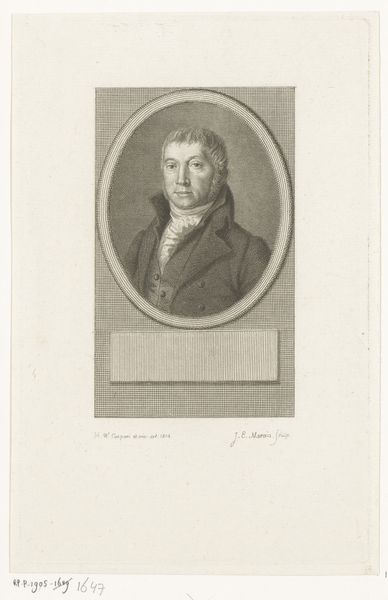
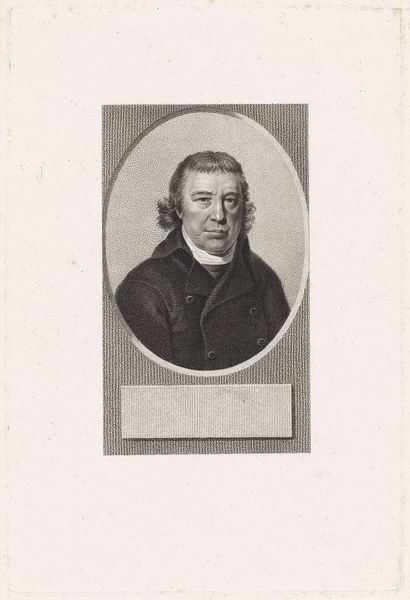
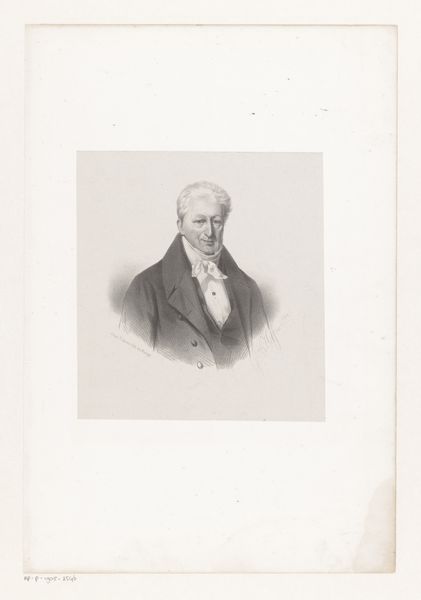
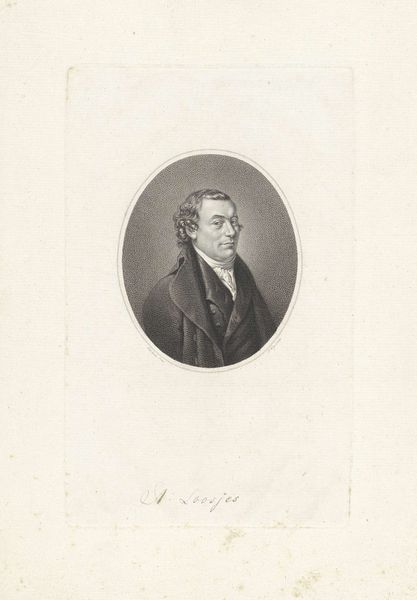
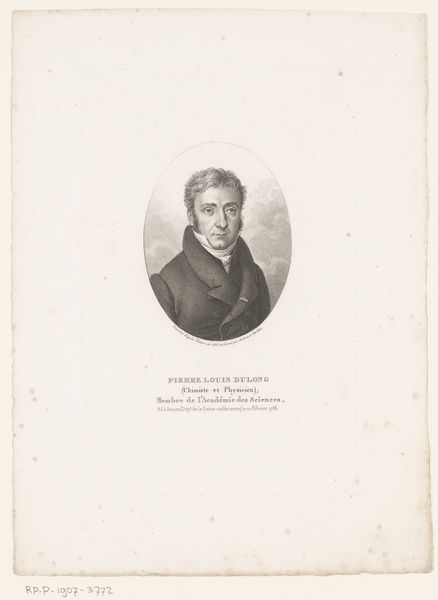
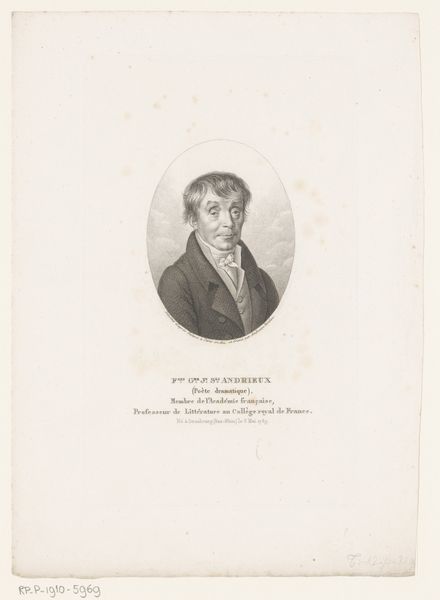
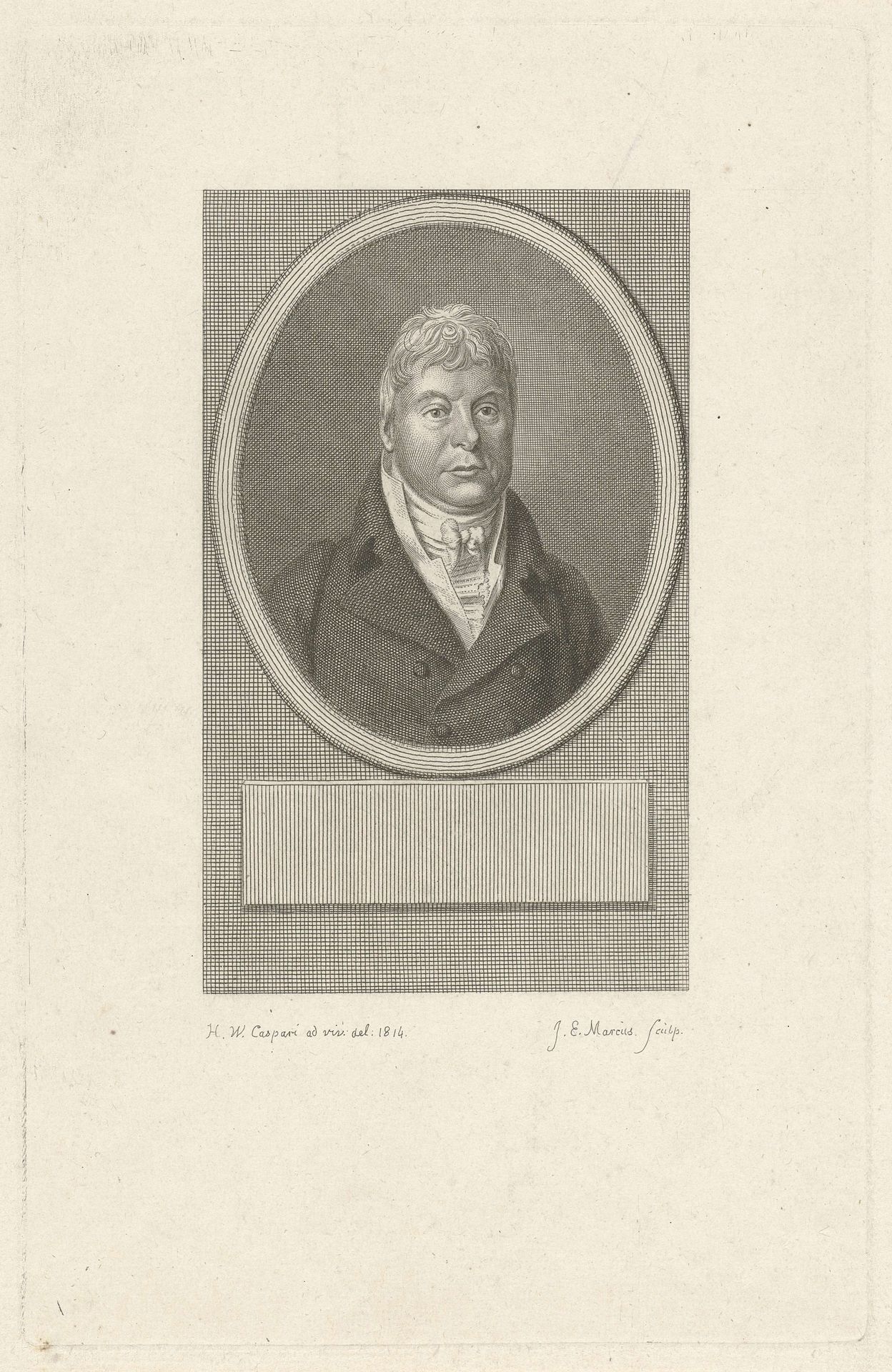
Jacob Ernst Marcus made this print of François Daniel Changuion in the Netherlands, sometime around 1814. Portraits were important markers of social status in the Dutch Republic. In this portrait, Changuion is well dressed, which would have signified his status to other members of Dutch society. But this image also reflects the democratizing influence of the Enlightenment. Oval portraits were typically reserved for the aristocracy, so we can see here how this style of portrait was beginning to be adopted by the middle class. This print may have been displayed in Changuion's home, perhaps as a celebration of his social standing. To further understand the social and economic status of Changuion, we could consult historical archives, genealogical records, and period directories. The meaning of art is always contingent on social and institutional context.
Portret van François Daniel Changuion
1814 - 1817

Jacob Ernst Marcus
1774 - 1826Location
RijksmuseumArtwork details
- Medium
- engraving
- Dimensions
- height 230 mm, width 147 mm
- Location
- Rijksmuseum
- Copyright
- Rijks Museum: Open Domain
Tags
portrait
neoclassicism
old engraving style
archive photography
historical photography
history-painting
academic-art
engraving
Comments
Be the first to share your thoughts about this work.
About this artwork
Jacob Ernst Marcus made this print of François Daniel Changuion in the Netherlands, sometime around 1814. Portraits were important markers of social status in the Dutch Republic. In this portrait, Changuion is well dressed, which would have signified his status to other members of Dutch society. But this image also reflects the democratizing influence of the Enlightenment. Oval portraits were typically reserved for the aristocracy, so we can see here how this style of portrait was beginning to be adopted by the middle class. This print may have been displayed in Changuion's home, perhaps as a celebration of his social standing. To further understand the social and economic status of Changuion, we could consult historical archives, genealogical records, and period directories. The meaning of art is always contingent on social and institutional context.
Comments
Be the first to share your thoughts about this work.