About this artwork
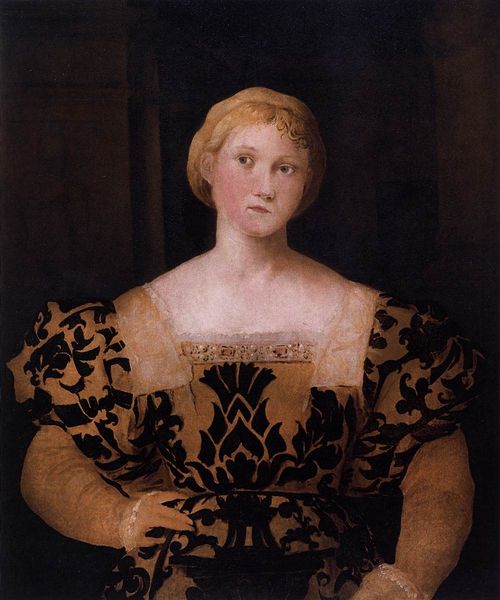
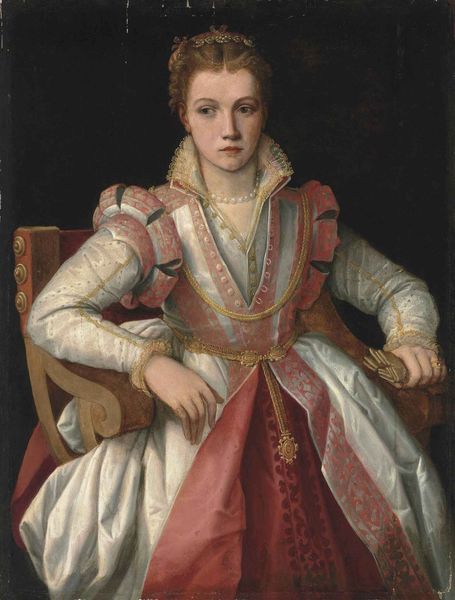
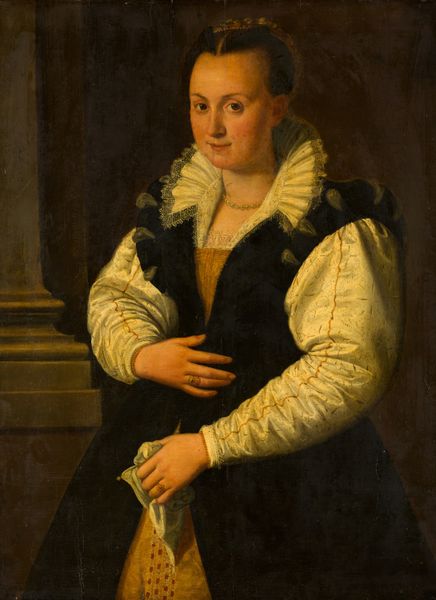
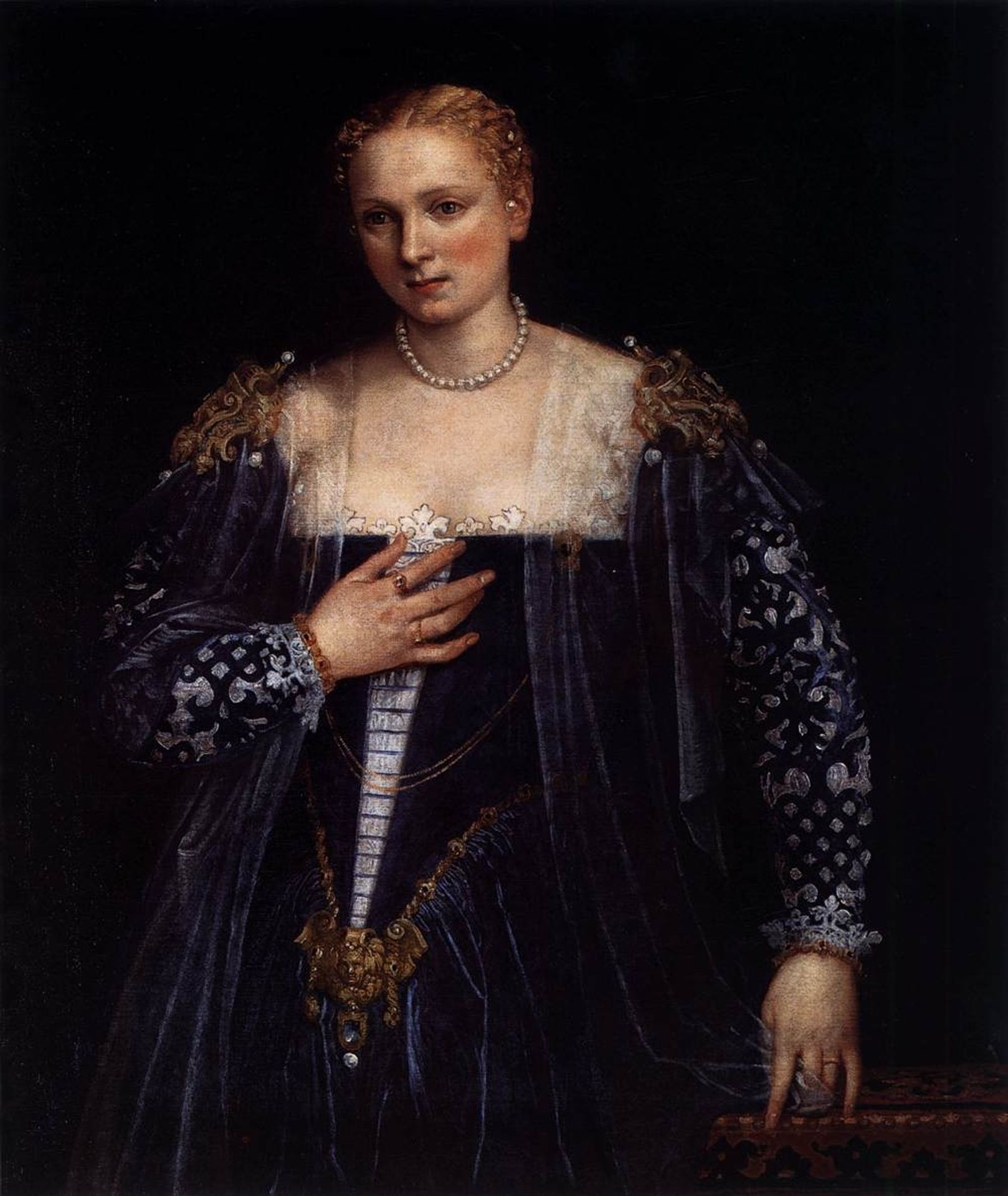
Paolo Veronese painted this oil on canvas portrait, now known as 'La Belle Nani', in Venice during the 16th century. Here we see a fashionable noblewoman, adorned with jewelry and sumptuous fabric. But, who was she? And how does this portrait engage with the artistic conventions of its time? Renaissance Venice was a thriving center of commerce and culture. Wealthy families commissioned portraits to display their status and lineage, and this work is no exception. The woman's direct gaze and elegant pose suggest confidence and authority. Yet, the artist's attention to the textures and details of her clothing speaks to the importance of material wealth in Venetian society. By studying the archives of Venetian families and analyzing the symbolism of clothing and jewelry, we can learn more about the individuals who commissioned and viewed these artworks. Art history, after all, is rooted in social and institutional history.
Portrait of a Venetian Woman (La Belle Nani)
1560


Artwork details
- Medium
- painting, oil-paint
- Dimensions
- 119 x 103 cm
- Location
- Louvre, Paris, France
- Copyright
- Public domain
Tags
Comments
Share your thoughts
About this artwork
Paolo Veronese painted this oil on canvas portrait, now known as 'La Belle Nani', in Venice during the 16th century. Here we see a fashionable noblewoman, adorned with jewelry and sumptuous fabric. But, who was she? And how does this portrait engage with the artistic conventions of its time? Renaissance Venice was a thriving center of commerce and culture. Wealthy families commissioned portraits to display their status and lineage, and this work is no exception. The woman's direct gaze and elegant pose suggest confidence and authority. Yet, the artist's attention to the textures and details of her clothing speaks to the importance of material wealth in Venetian society. By studying the archives of Venetian families and analyzing the symbolism of clothing and jewelry, we can learn more about the individuals who commissioned and viewed these artworks. Art history, after all, is rooted in social and institutional history.
Comments
Share your thoughts