About this artwork
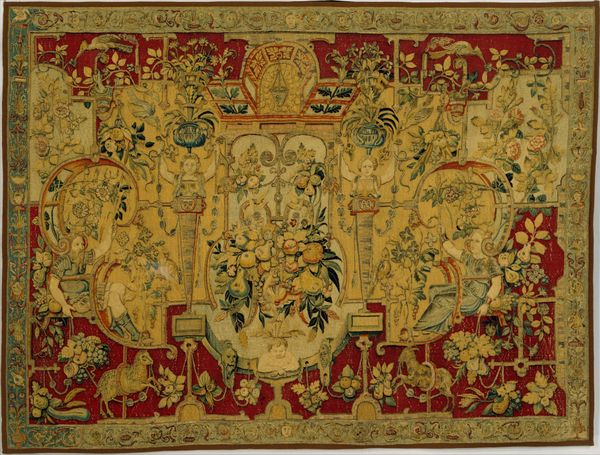
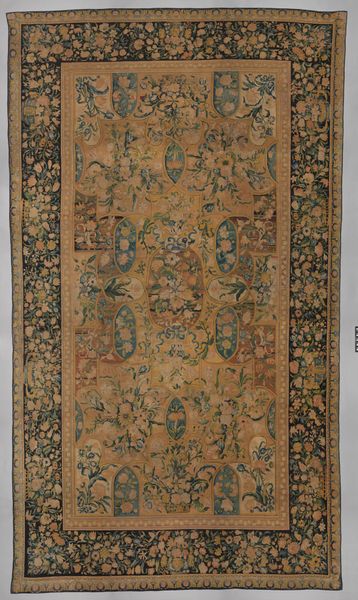
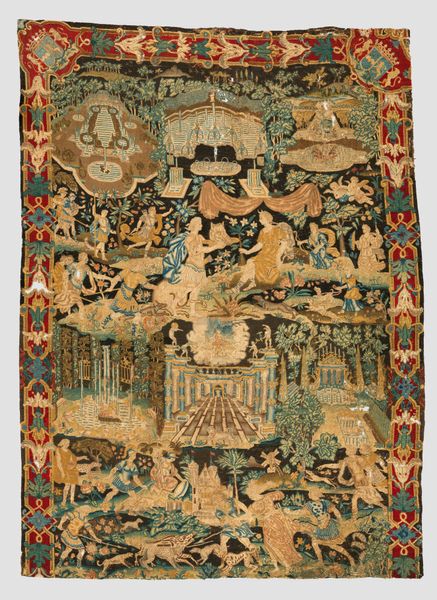
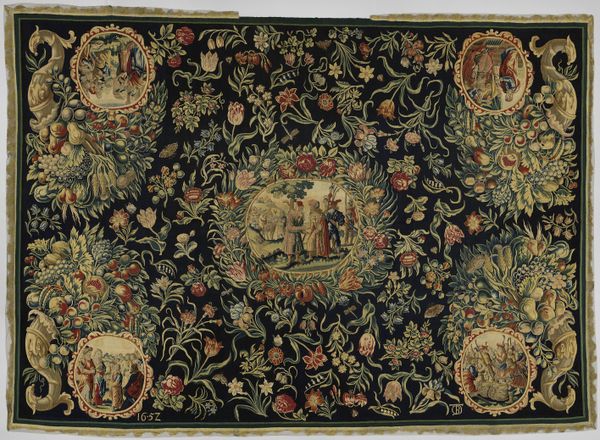
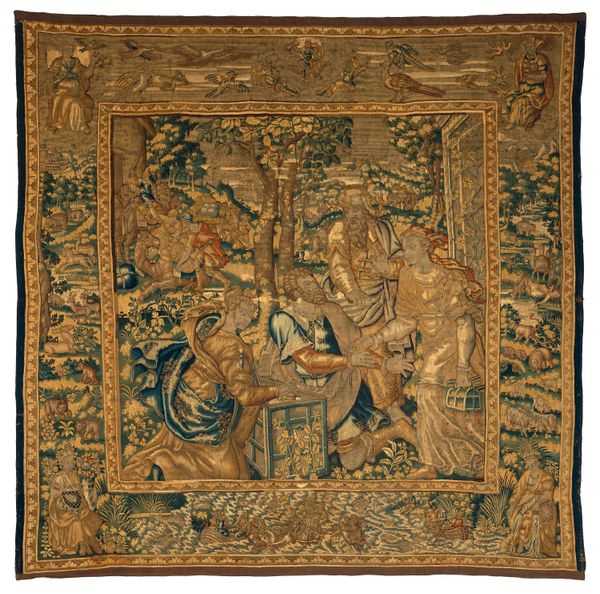
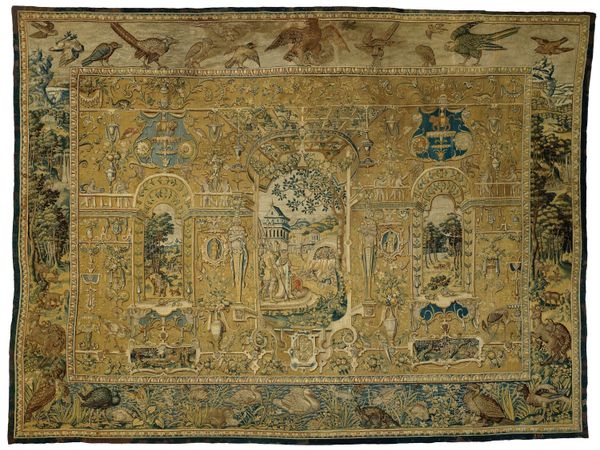
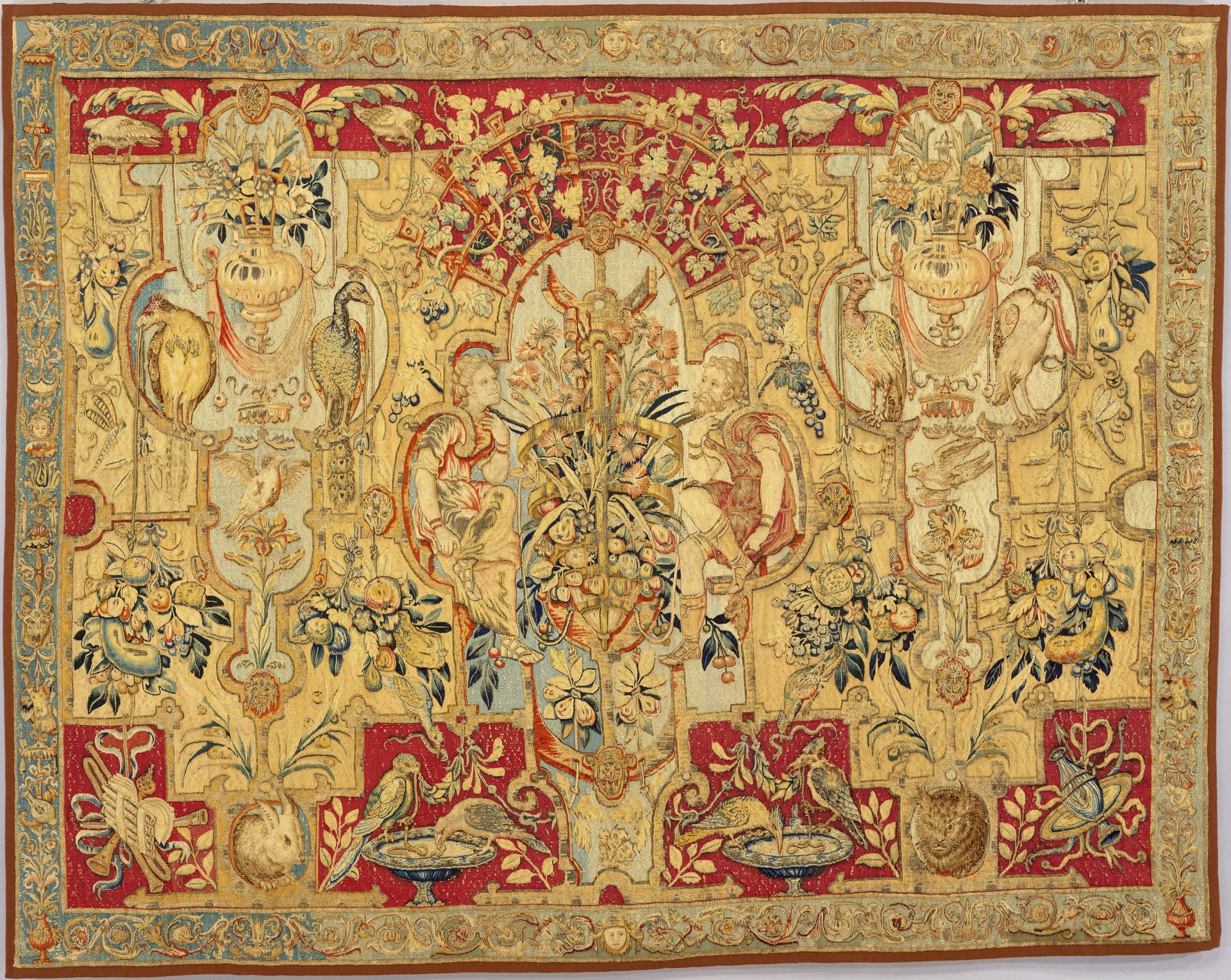
This is a section of bed hangings with grotesque figures made by Cornelis Floris II, sometime in the 16th century. Floris, an architect and sculptor from Antwerp, was a leading figure in the Northern Renaissance. His designs, widely disseminated through prints, helped define the Renaissance aesthetic in the Netherlands. Looking at the tapestry, we see more than just decoration; we witness a cultural dialogue. The grotesque style, borrowed from ancient Roman art, was revived during the Renaissance as part of a broader effort to reconnect with classical antiquity. These bed hangings adorned a space of great intimacy, where the inhabitants would dream, procreate, and potentially find solace from the tumultuous world outside. As such, the tapestries are not just decorative; they were integral to the performative aspects of domestic life. They are a silent witness to the unfolding dramas of family, identity, and status. These panels offer a glimpse into the complex interplay between art, identity, and the intimate spaces we inhabit.
Panel with grotesques, from a set of bed hangings
1545 - 1565


Artwork details
- Medium
- print, textile, sculpture
- Dimensions
- 65 1/2 in. × 80 in. (166.4 × 203.2 cm)
- Location
- Metropolitan Museum of Art, New York, NY
- Copyright
- Public Domain
Tags
Comments
Share your thoughts
About this artwork
This is a section of bed hangings with grotesque figures made by Cornelis Floris II, sometime in the 16th century. Floris, an architect and sculptor from Antwerp, was a leading figure in the Northern Renaissance. His designs, widely disseminated through prints, helped define the Renaissance aesthetic in the Netherlands. Looking at the tapestry, we see more than just decoration; we witness a cultural dialogue. The grotesque style, borrowed from ancient Roman art, was revived during the Renaissance as part of a broader effort to reconnect with classical antiquity. These bed hangings adorned a space of great intimacy, where the inhabitants would dream, procreate, and potentially find solace from the tumultuous world outside. As such, the tapestries are not just decorative; they were integral to the performative aspects of domestic life. They are a silent witness to the unfolding dramas of family, identity, and status. These panels offer a glimpse into the complex interplay between art, identity, and the intimate spaces we inhabit.
Comments
Share your thoughts