About this artwork
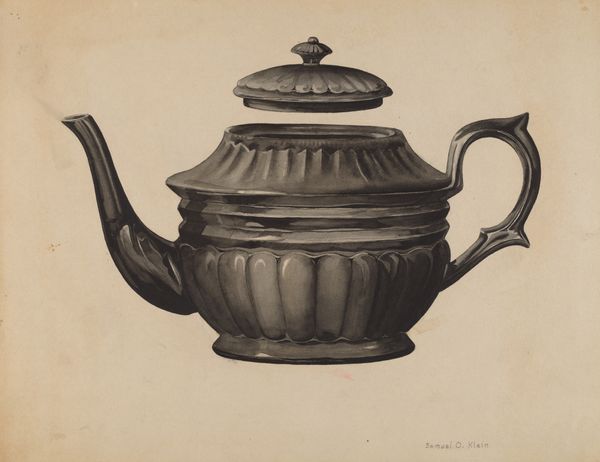
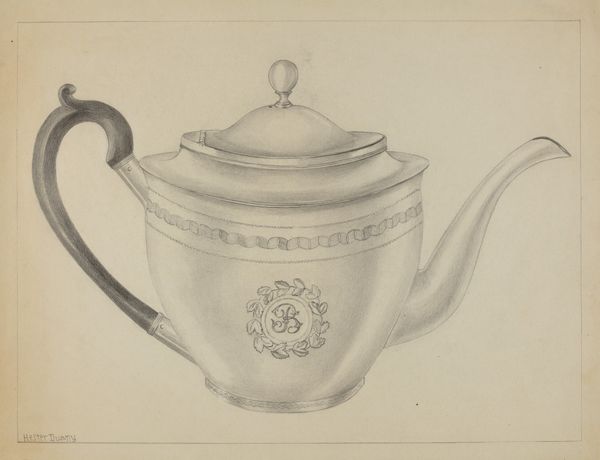
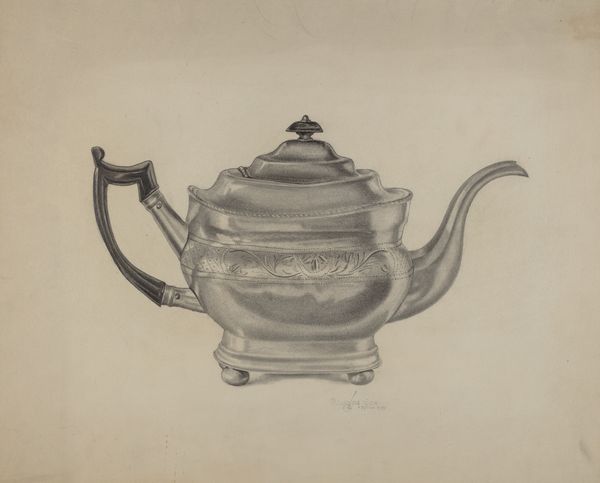
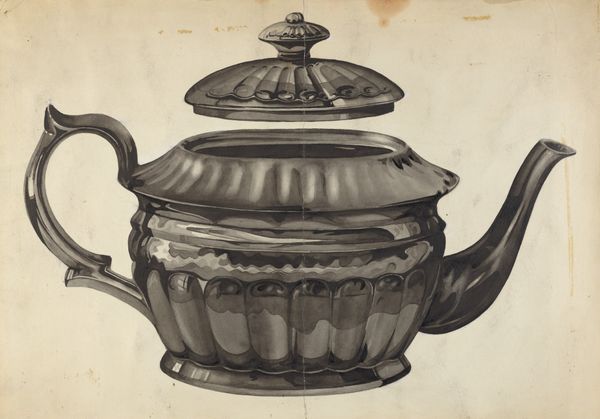
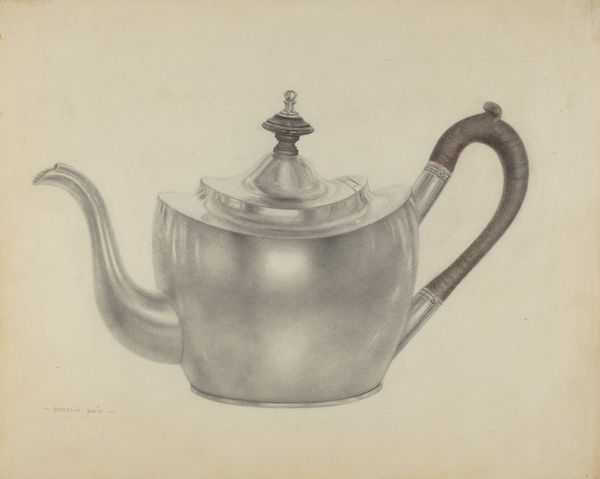
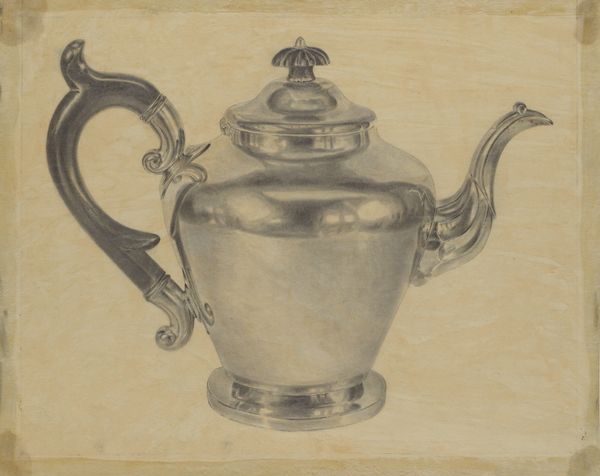
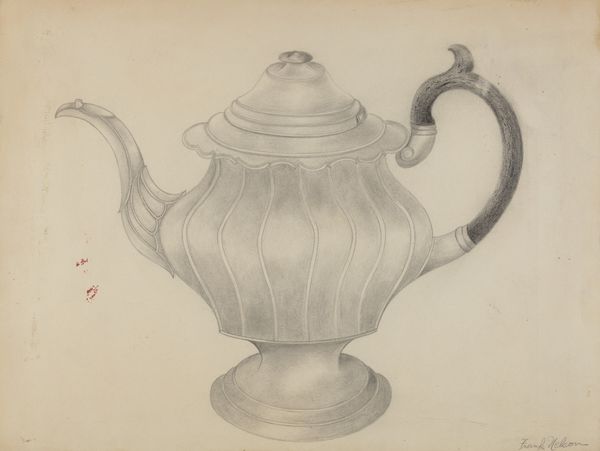
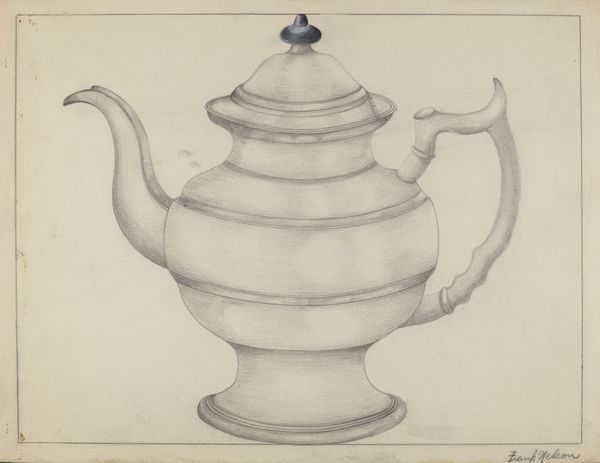
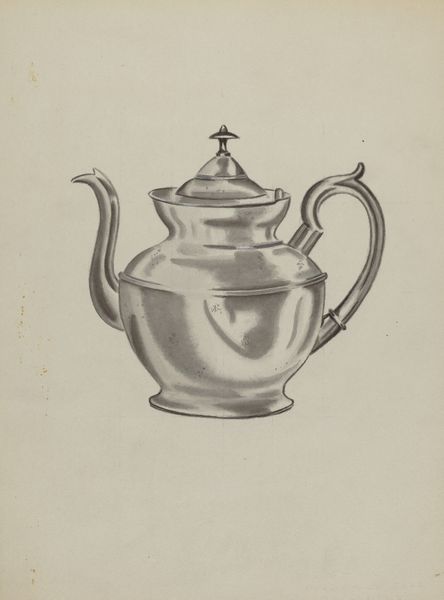
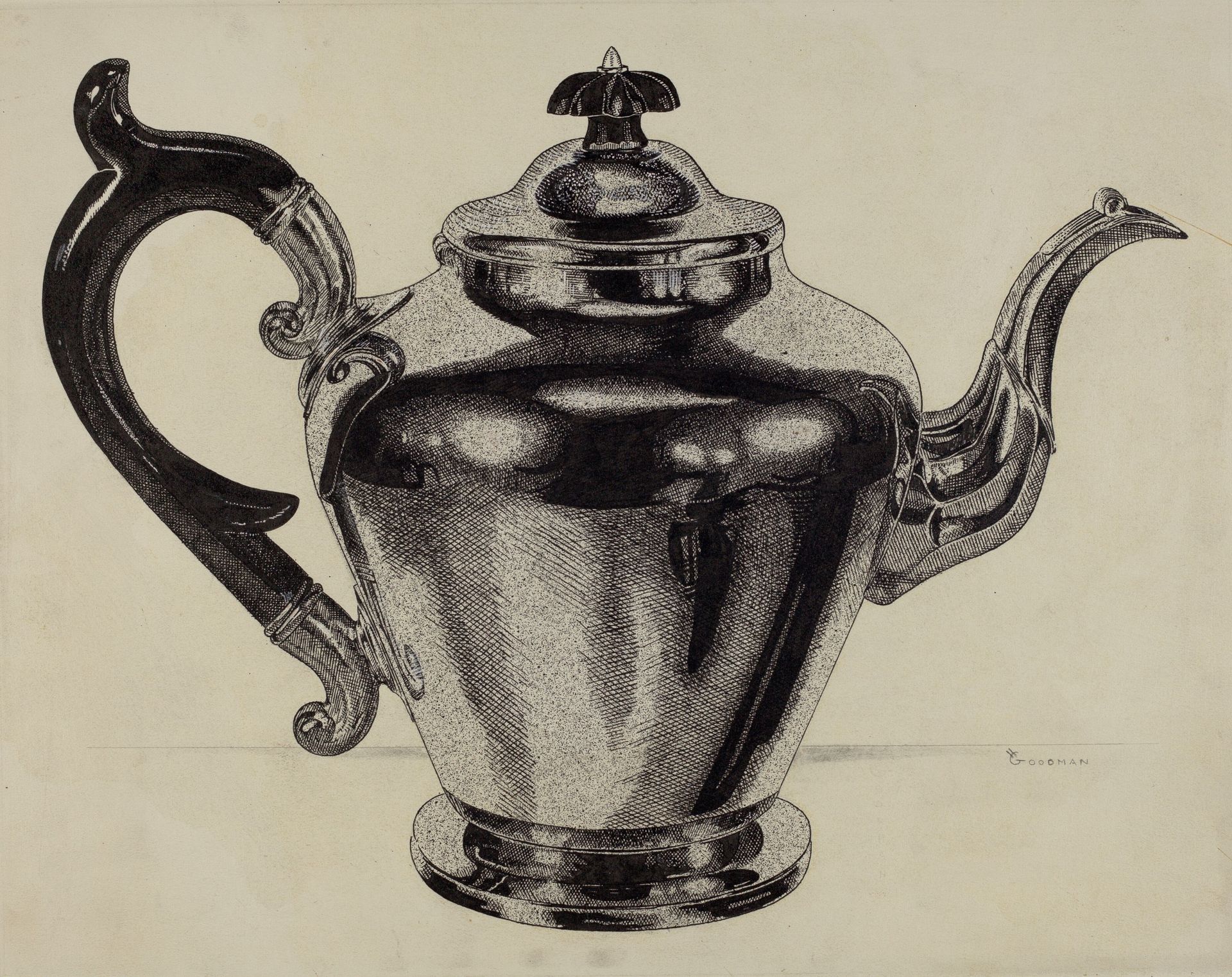
Harry Goodman made this study of a Pewter Teapot with ink on paper, probably as a student exercise at art school. What I notice first is the incredible cross hatching technique. It reminds me of the kind of obsessive mark making you see in the drawings of Alfred Kubin or even some architectural renderings. Look closely and you can see how he has used the density and direction of these lines to build up the form of the teapot, suggesting the gleam and shadow of its metallic surface. The darkest areas are where the lines are most concentrated, creating a sense of depth and volume. There is something very satisfying about the way Goodman uses a purely linear technique to convey the qualities of a three dimensional object. It's all about how the artist embraces the limitations of their medium to create an illusion of form and texture. This reminds me a little of the work of M.C. Escher, where linear forms are used to create mind bending illusions.


Artwork details
- Medium
- drawing, graphite
- Dimensions
- overall: 27.2 x 32.8 cm (10 11/16 x 12 15/16 in.) Original IAD Object: 8 3/4" high; 7" in diameter
- Copyright
- National Gallery of Art: CC0 1.0
Tags
Comments
Share your thoughts
About this artwork
Harry Goodman made this study of a Pewter Teapot with ink on paper, probably as a student exercise at art school. What I notice first is the incredible cross hatching technique. It reminds me of the kind of obsessive mark making you see in the drawings of Alfred Kubin or even some architectural renderings. Look closely and you can see how he has used the density and direction of these lines to build up the form of the teapot, suggesting the gleam and shadow of its metallic surface. The darkest areas are where the lines are most concentrated, creating a sense of depth and volume. There is something very satisfying about the way Goodman uses a purely linear technique to convey the qualities of a three dimensional object. It's all about how the artist embraces the limitations of their medium to create an illusion of form and texture. This reminds me a little of the work of M.C. Escher, where linear forms are used to create mind bending illusions.
Comments
Share your thoughts