painting
#
art-nouveau
#
painting
#
figuration
#
nude
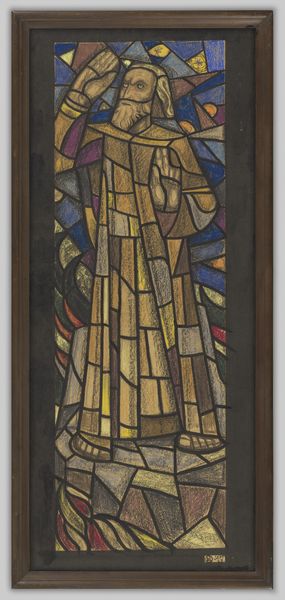
Dimensions: width 17.5 cm, height 153 cm, depth 3.5 cm
Copyright: Rijks Museum: Open Domain
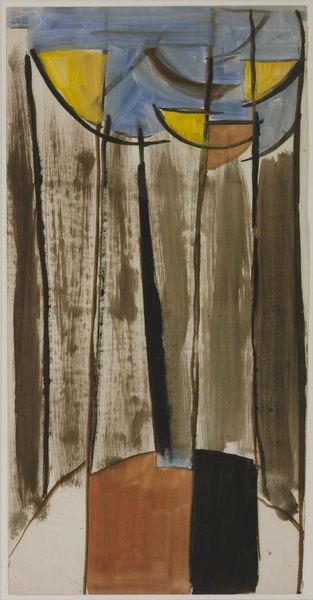
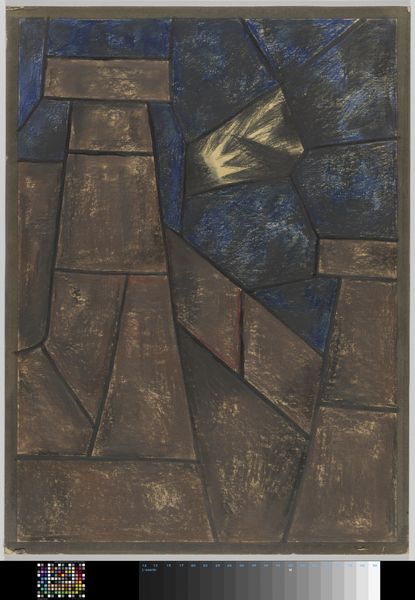
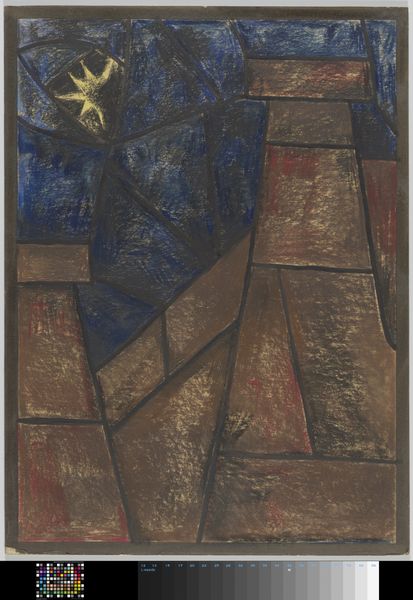
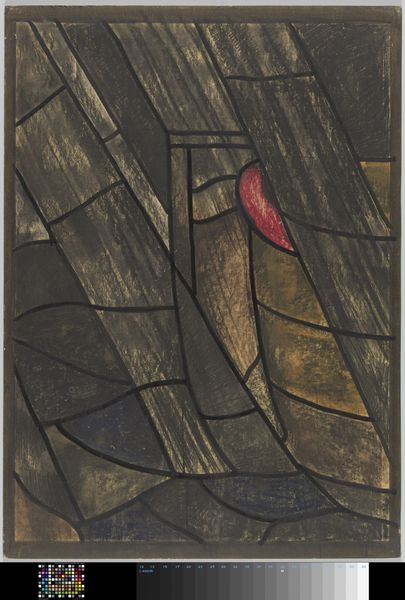
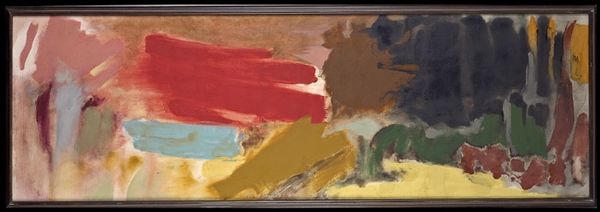
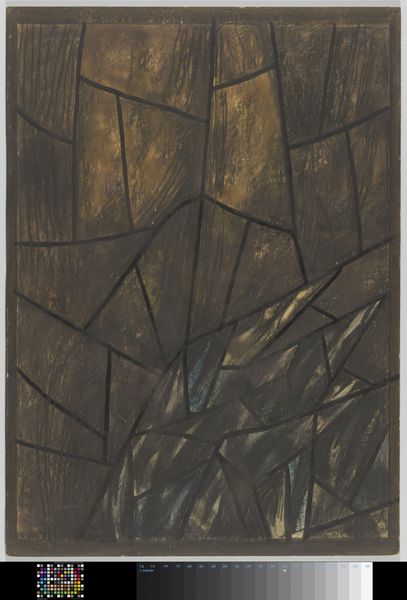
Editor: This is "Drawing of a standing woman in frame" by E.G.C. Schubad, dating from around 1900 to 1920. The way the light pours down on the figure is so striking! How do you interpret this work within the context of its time? Curator: Considering the period, it’s essential to look at the burgeoning Art Nouveau movement and its fascination with the female form. But let's dig deeper: what sociopolitical anxieties might this seemingly innocent depiction mask or address? The female nude had a long history, but its appearance here feels deliberate. Editor: Deliberate in what way? Are you saying that simply painting a nude is, itself, a statement? Curator: Yes, in many ways. It’s about reclaiming power over representation. Public exhibitions became battlegrounds for moral standards. Can you see in it also how artists sought to redefine traditional values or push social boundaries with art? Editor: I think so! This feels much more… assertive than nudes from earlier eras. There’s a strength in the figure that contrasts the period's restrictive ideals for women. Curator: Precisely! Also notice its home: Rijksmuseum! The museum's selection choices reflect which art and whose narrative is amplified within our culture. So, what is our responsibility as viewers, as custodians, of cultural pieces? Editor: You're right. I need to consider the political implications and institutional choices around artworks. Museums give an institutional validation of cultural importance. Curator: Museums frame the past but inevitably shape our present. This painting asks us to consider the social undercurrents reflected by our choices to present to the public what images of womanhood should be, shouldn’t be.
Comments
No comments
Be the first to comment and join the conversation on the ultimate creative platform.
 Collect
 React
React Comment
More like this