1810 - 1857
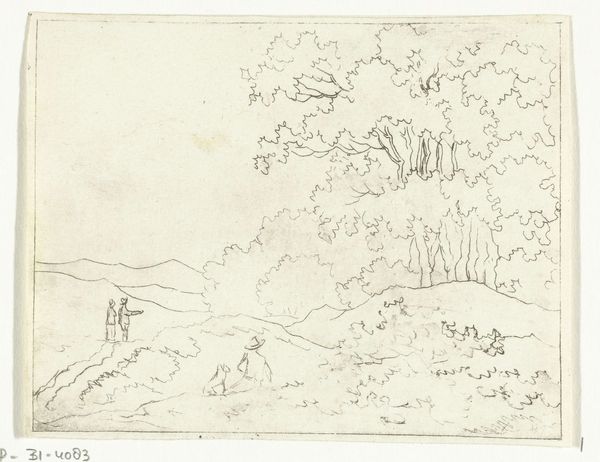
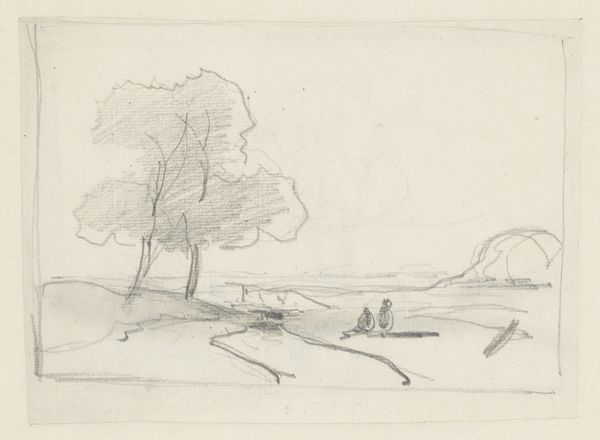
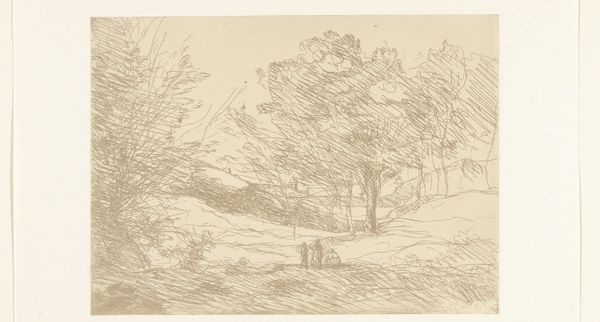
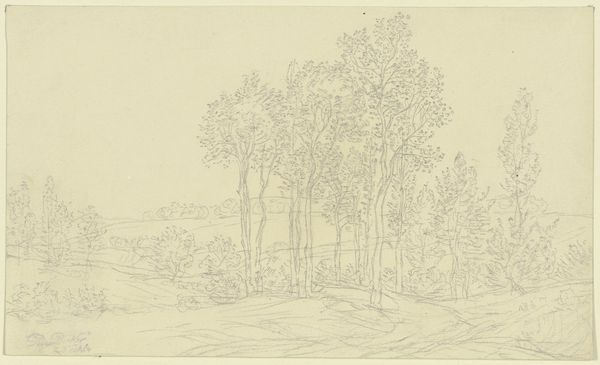
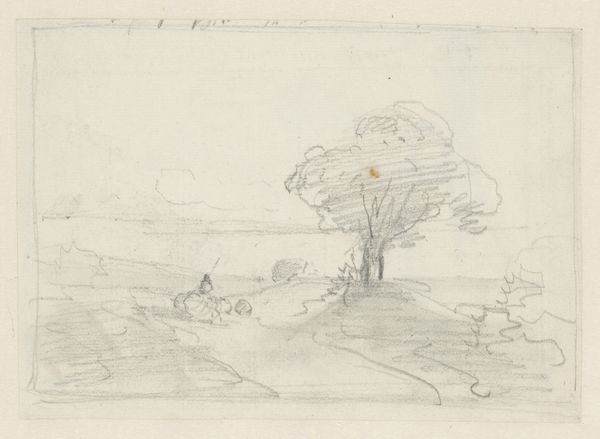
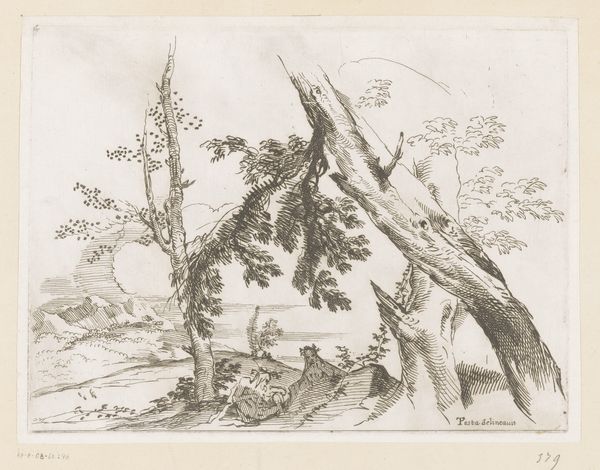
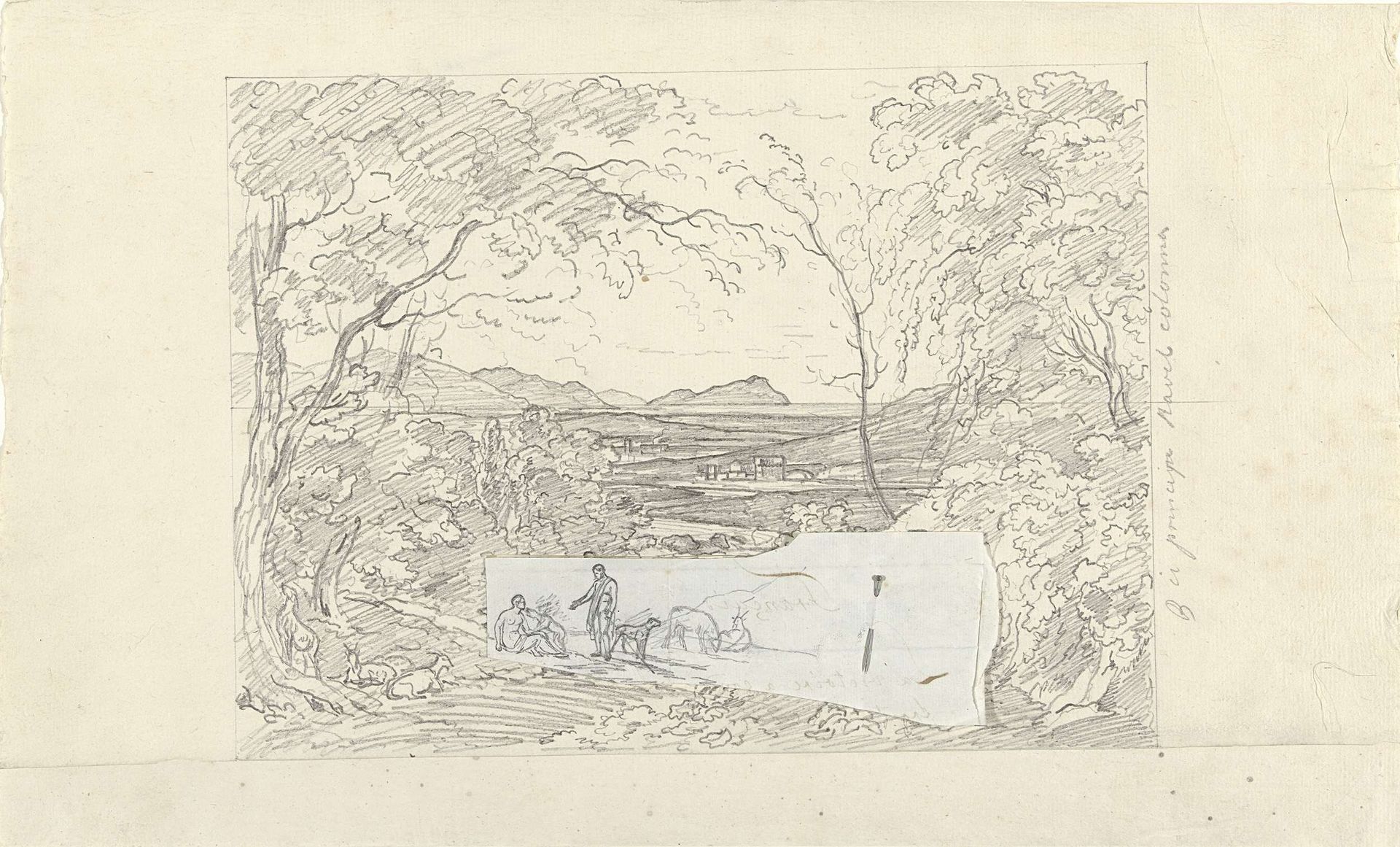
Geïdealiseerd landschap in de Campagna met twee figuren met drie geiten

Abraham Teerlink
1776 - 1857Location
RijksmuseumListen to curator's interpretation
Curatorial notes
Abraham Teerlink created this idealized landscape in the Campagna with a pencil. Notice how the goats in the foreground are not merely pastoral additions; they evoke a far deeper resonance. In antiquity, goats were associated with Pan, a god of nature, fertility, and rustic music, embodying untamed wilderness. This symbol travels through time. We can see echoes of the goat's symbolism in the medieval period, where it became intertwined with images of the demonic, representing base instincts and unbridled desire. Here, however, these goats, in their unassuming presence, might subtly remind us of humanity's ancient, almost primal connection to the land. Perhaps the artist subconsciously taps into a collective memory, a longing for simpler times, free from urban constraints. The landscape, therefore, becomes more than just a scenic view; it transforms into a stage where the drama of human existence unfolds, forever caught between the wild and the cultivated.