About this artwork
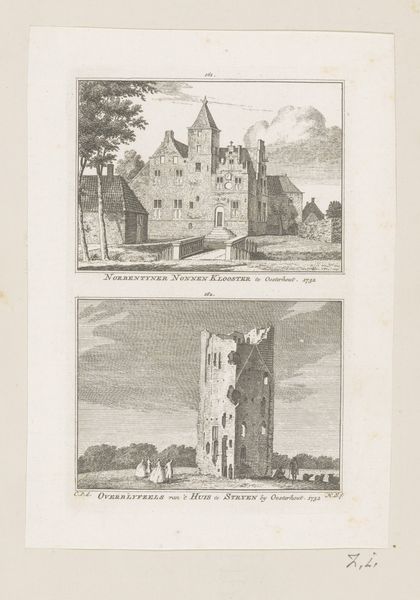
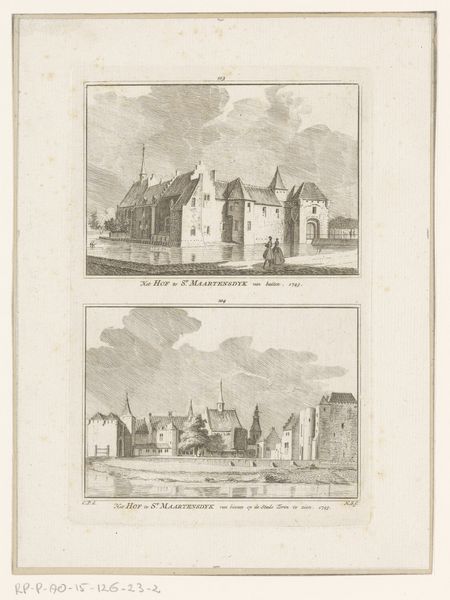
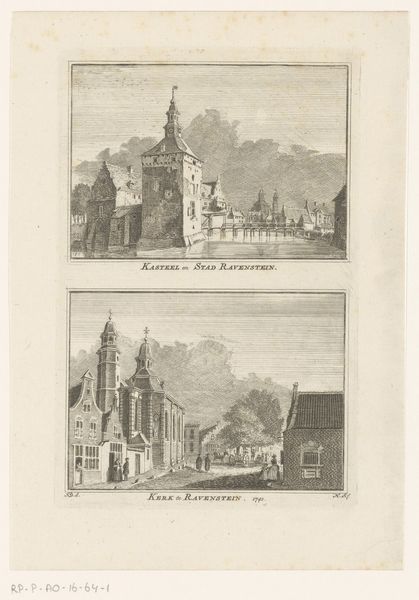
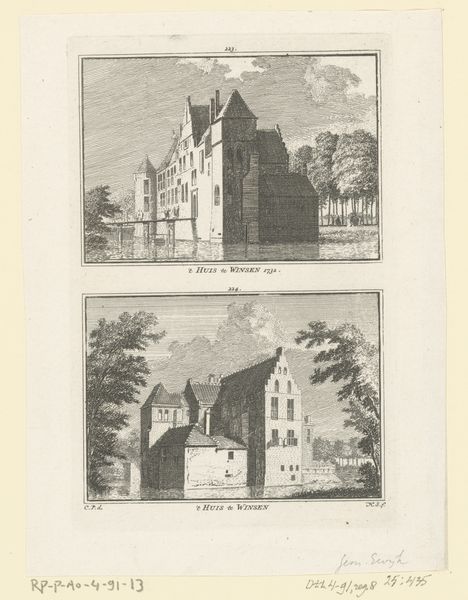
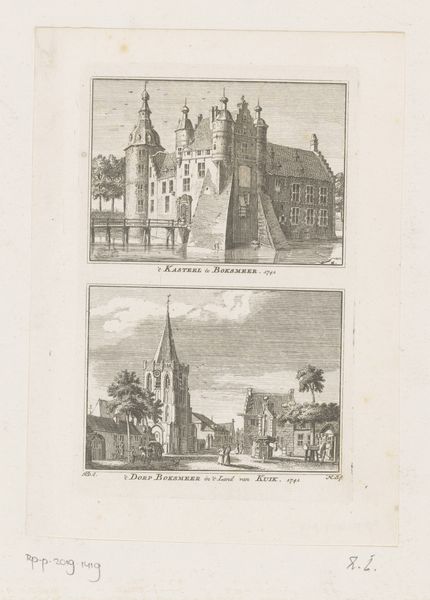
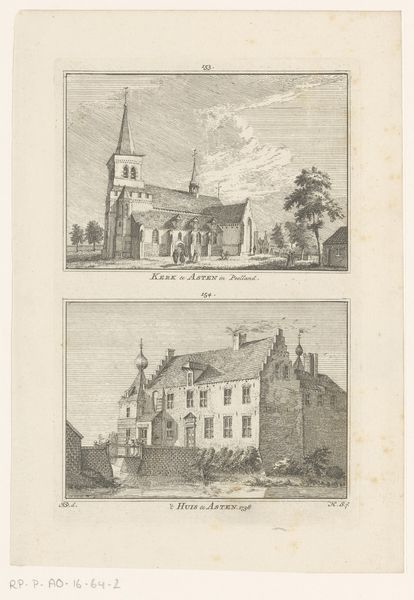
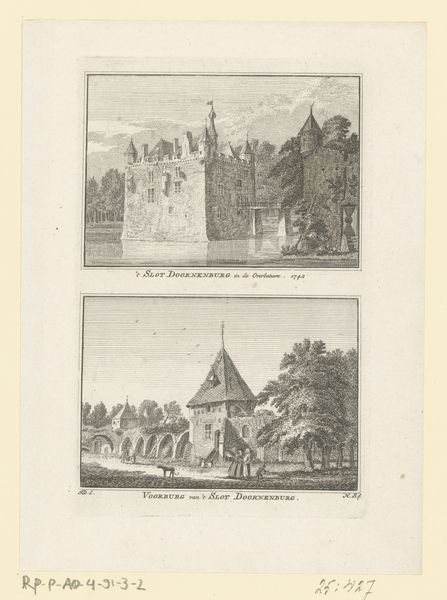
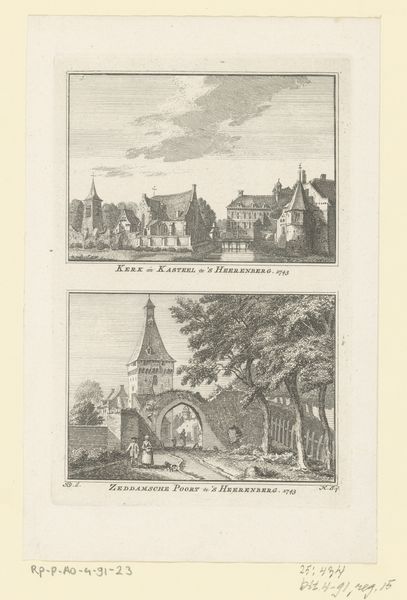
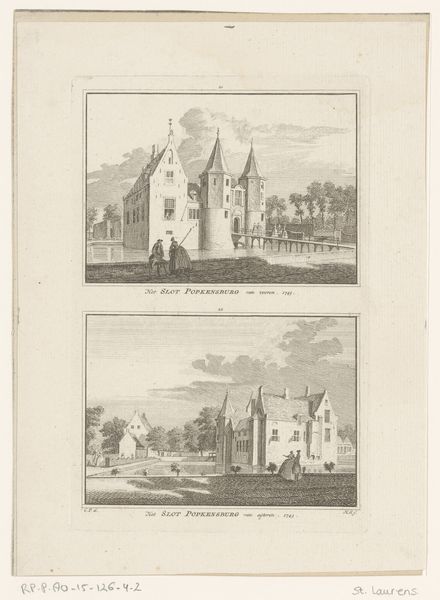
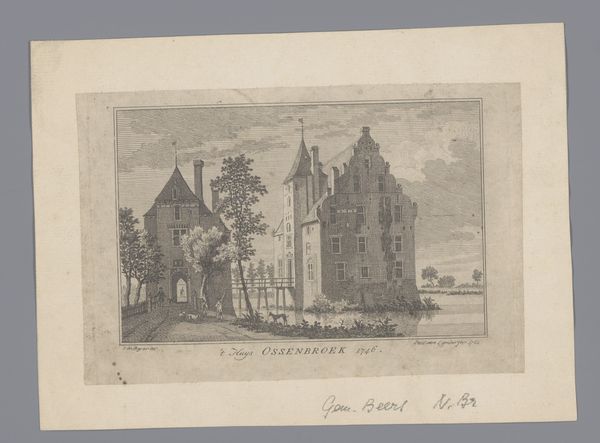
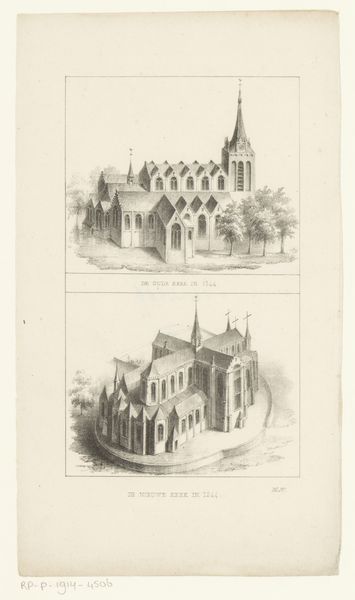
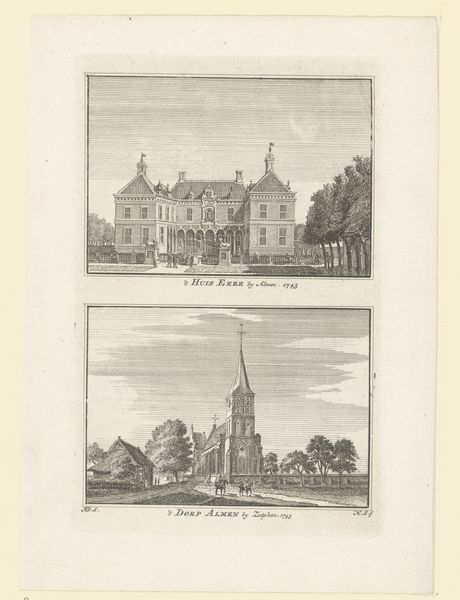
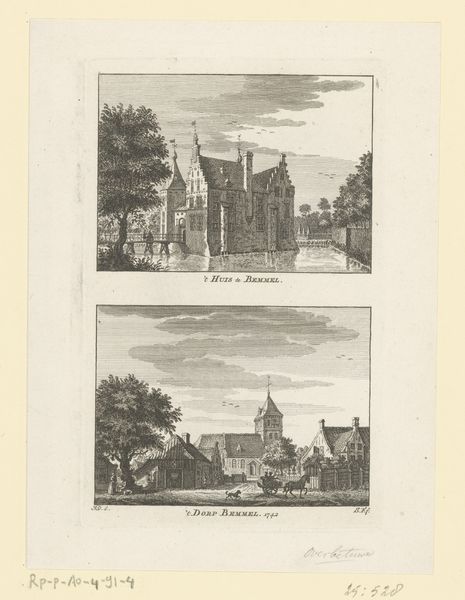
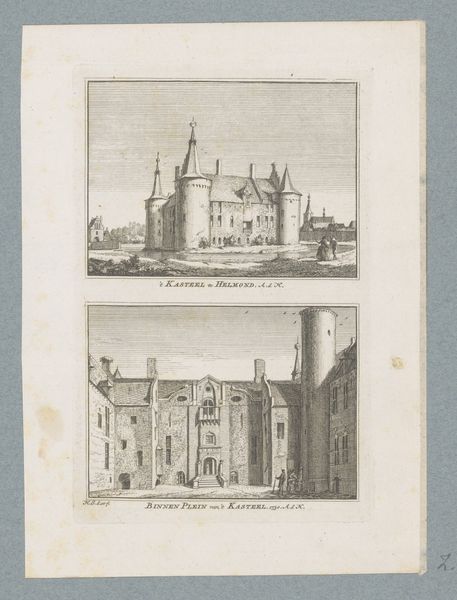
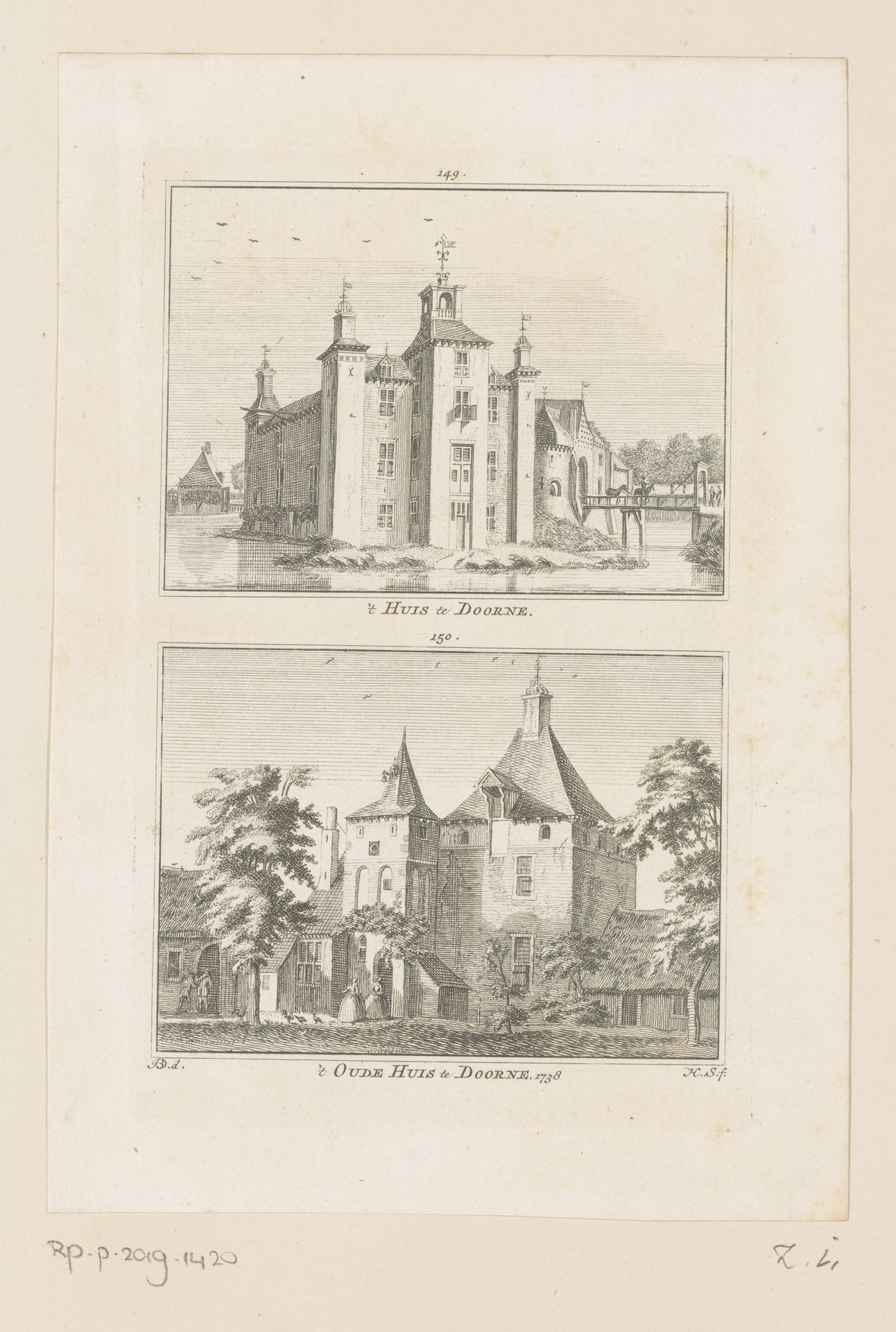
Hendrik Spilman created this print of the Groot Kasteel en Klein Kasteel in Deurne. With its detailed rendering, the print offers a glimpse into the architecture and landscape of the Dutch region during the 18th century. The upper castle presents a robust, almost fortress-like facade, surrounded by water, suggesting a history intertwined with defense and power. In contrast, the lower image depicts a smaller castle with a more domestic feel, surrounded by trees and figures, possibly indicating a shift towards a more peaceful, residential era. These images reflect the complex relationship between people and their environment. This artwork preserves visual records and invites us to consider how architectural representations reinforce notions of identity, place, and history. The castles, symbols of authority, also evoke a sense of personal connection to the land and to the past.
Gezichten op het Groot Kasteel en Klein Kasteel in Deurne
1746

Hendrik Spilman
1721 - 1784Location
RijksmuseumArtwork details
- Medium
- print, engraving, architecture
- Dimensions
- height 169 mm, width 105 mm
- Location
- Rijksmuseum
- Copyright
- Rijks Museum: Open Domain
Tags
Comments
Share your thoughts
About this artwork
Hendrik Spilman created this print of the Groot Kasteel en Klein Kasteel in Deurne. With its detailed rendering, the print offers a glimpse into the architecture and landscape of the Dutch region during the 18th century. The upper castle presents a robust, almost fortress-like facade, surrounded by water, suggesting a history intertwined with defense and power. In contrast, the lower image depicts a smaller castle with a more domestic feel, surrounded by trees and figures, possibly indicating a shift towards a more peaceful, residential era. These images reflect the complex relationship between people and their environment. This artwork preserves visual records and invites us to consider how architectural representations reinforce notions of identity, place, and history. The castles, symbols of authority, also evoke a sense of personal connection to the land and to the past.
Comments
Share your thoughts