1852 - 1853
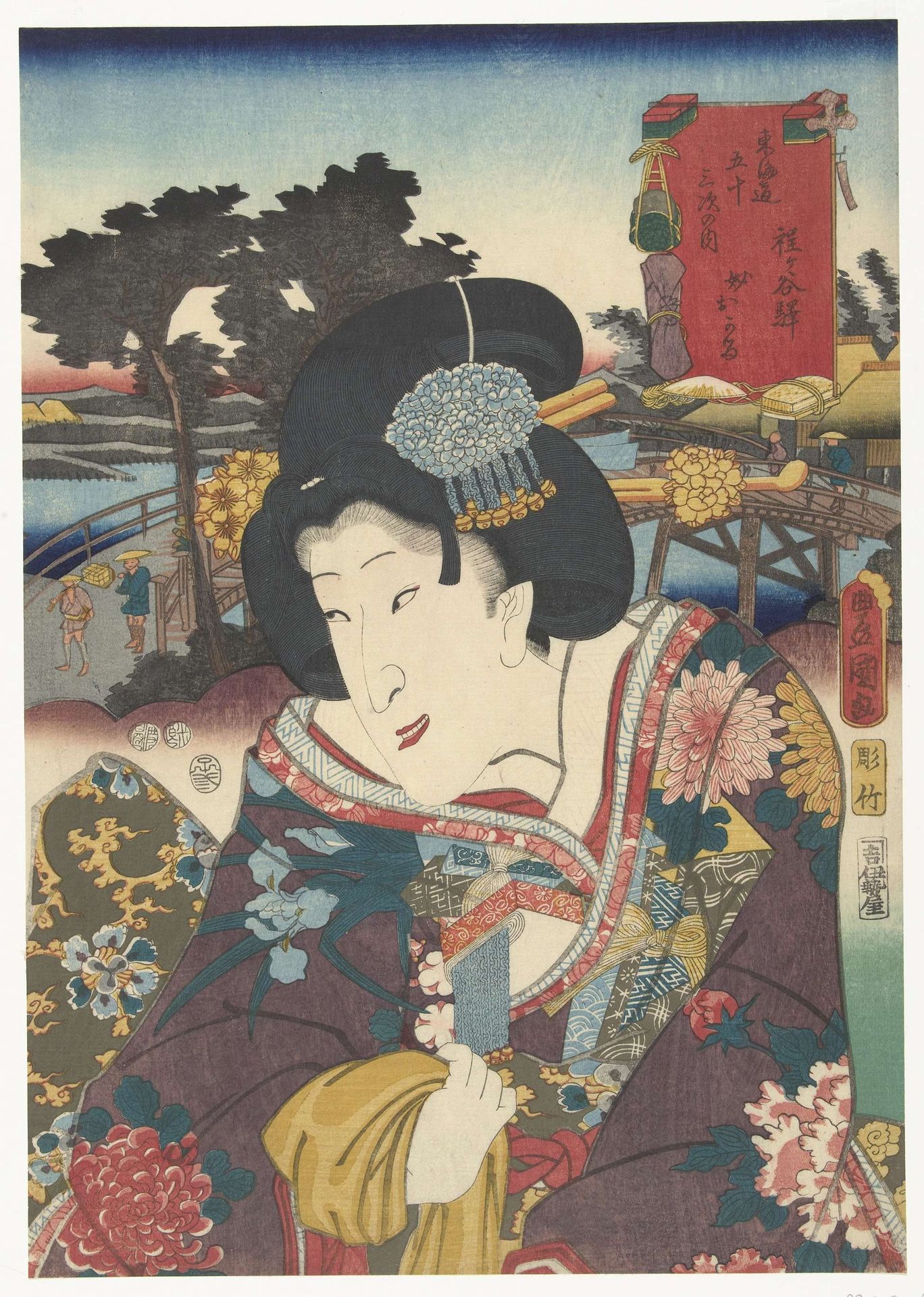
Hodogaya

Utagawa Kunisada
1786 - 1865Location
RijksmuseumListen to curator's interpretation
Curatorial notes
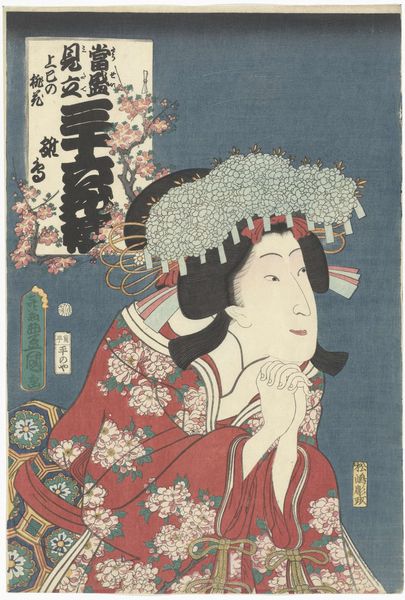
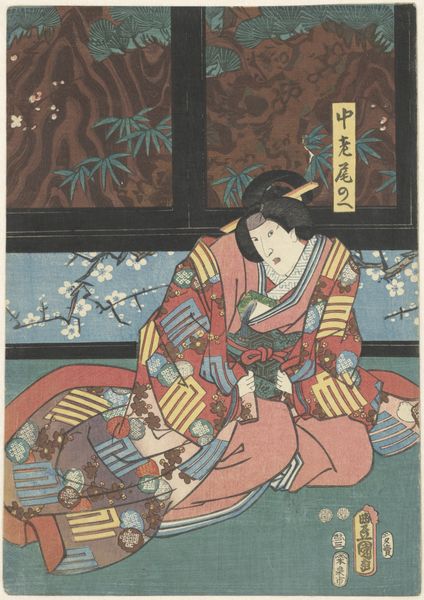
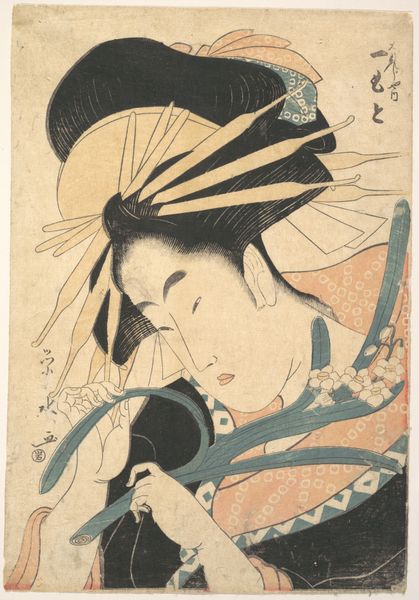
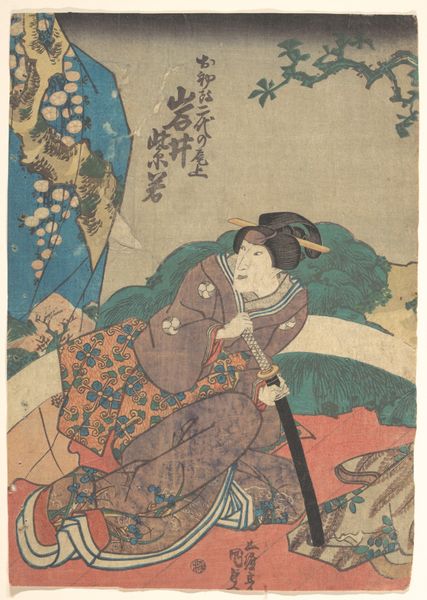
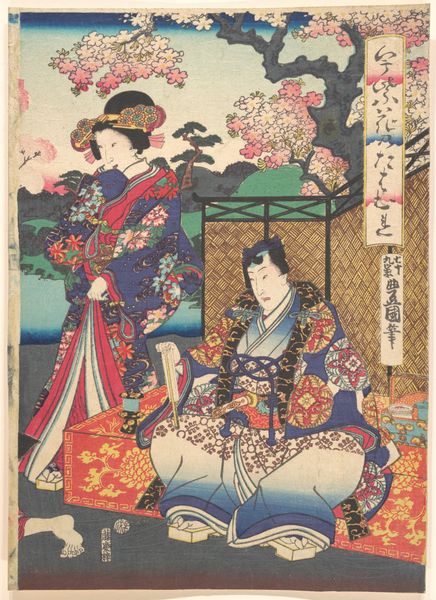
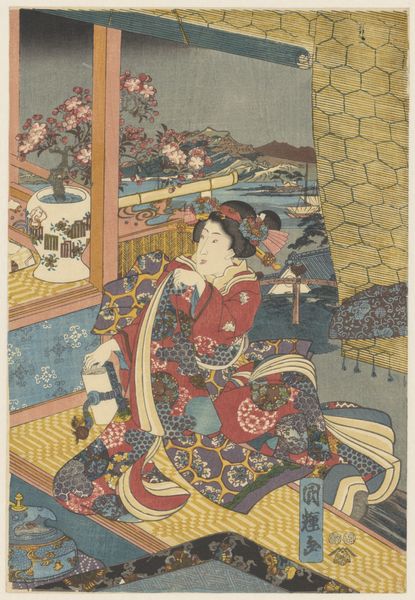
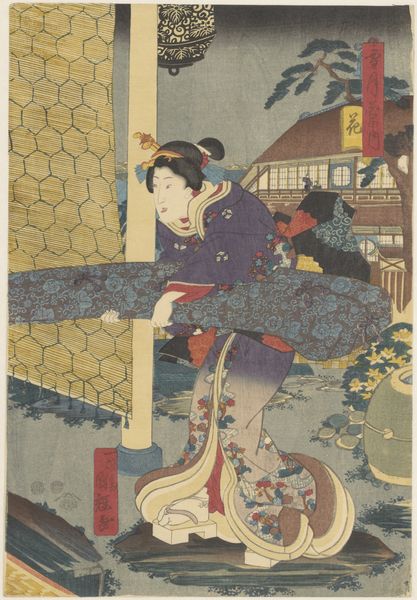
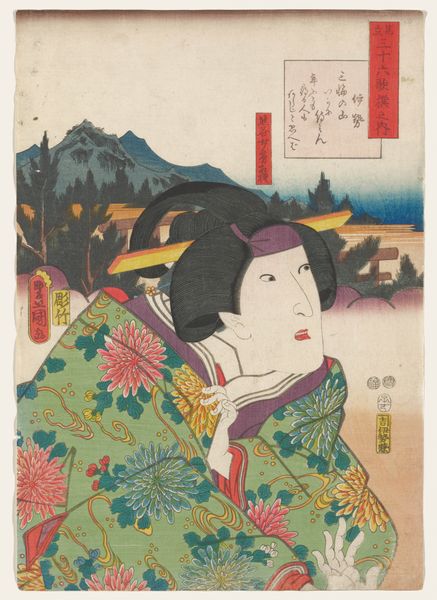
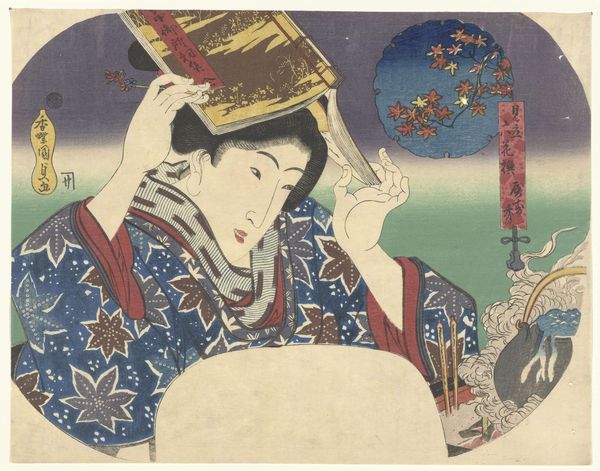
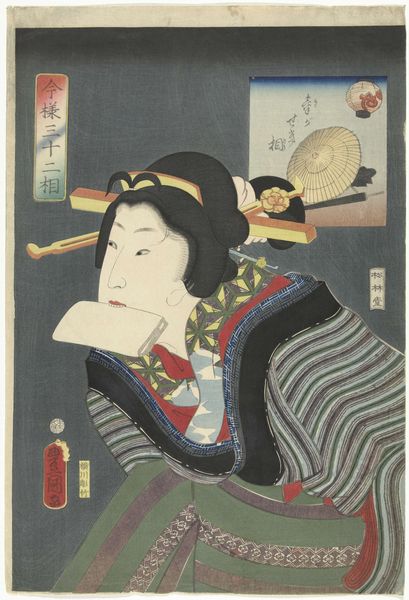
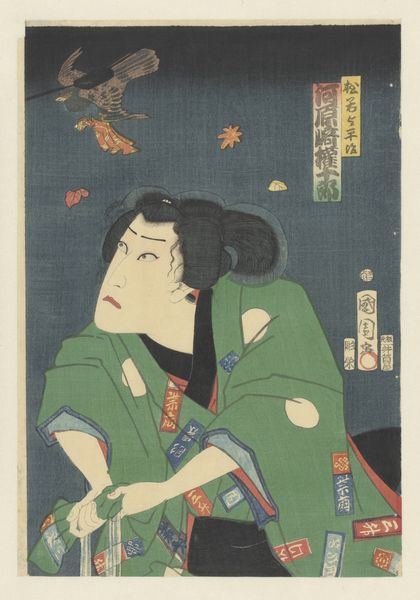
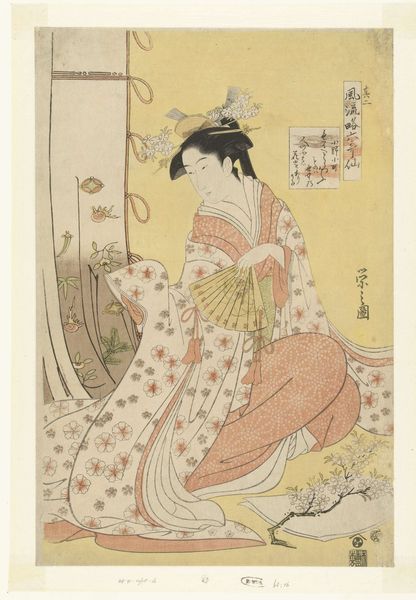
Utagawa Kunisada’s Hodogaya is a woodblock print, a relatively inexpensive medium that allowed for mass production. It's a good idea to consider these prints not as singular artworks, but as cultural products of 19th century Japan. The print’s visual qualities are entirely determined by the properties of the wood and the subtractive processes used to create it. Areas are carved away, leaving raised lines and planes to receive the ink. This process required a close collaboration between the artist, the wood carver, and the printer, with each using specialized tools to bring the image to life. The flat, graphic style with bold outlines and blocks of color is a direct result of the woodblock printing technique. This was perfectly suited to depicting scenes of everyday life and popular culture, making it accessible to a broad audience. The print’s commercial nature is tied to the rise of a merchant class and a culture of consumption, reflecting the changing social dynamics of the time. By recognizing the material and processes involved in the creation of woodblock prints like Hodogaya, we can appreciate how craft and commercial imperatives intertwine to shape our understanding of art.