About this artwork
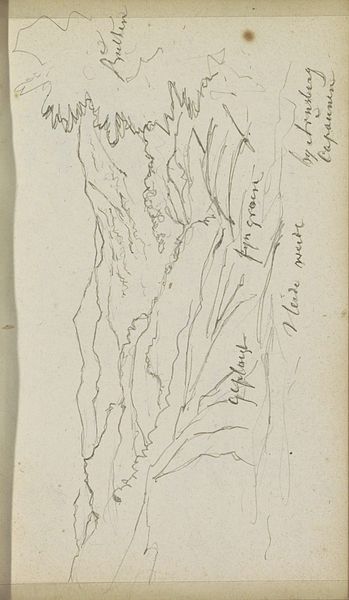
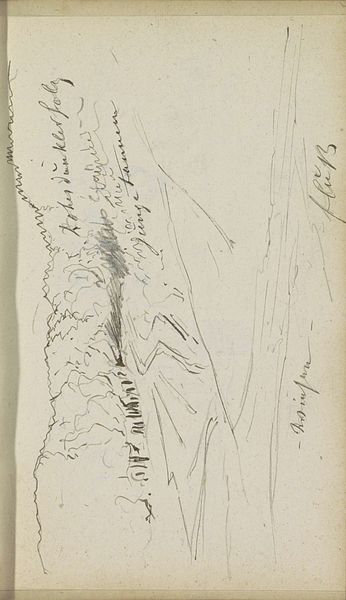
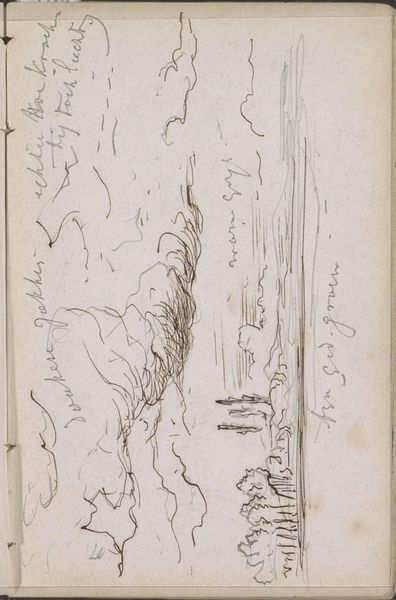
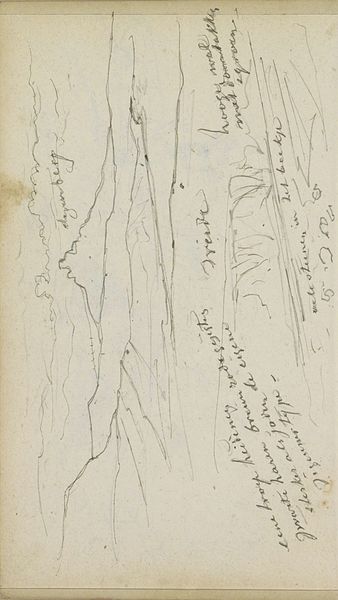
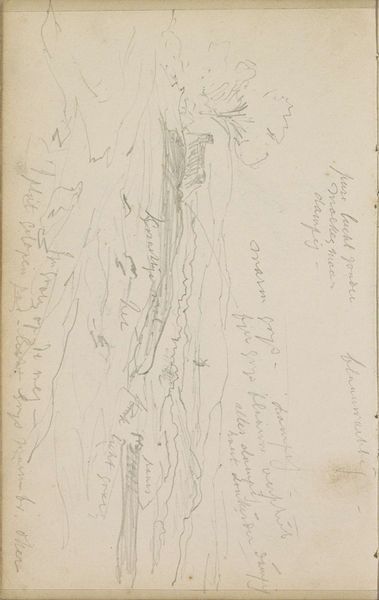
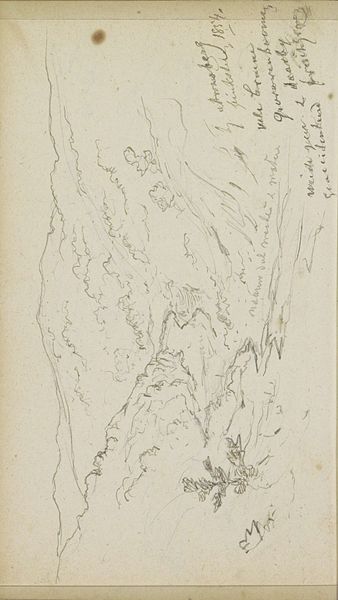
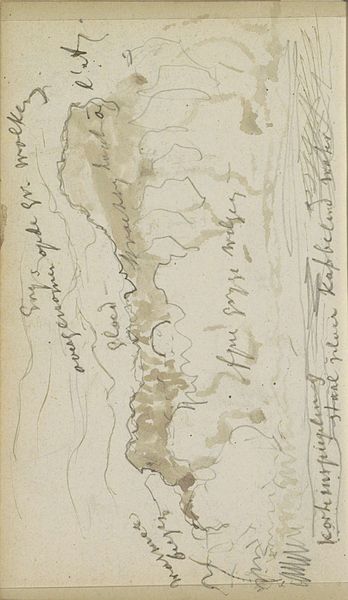
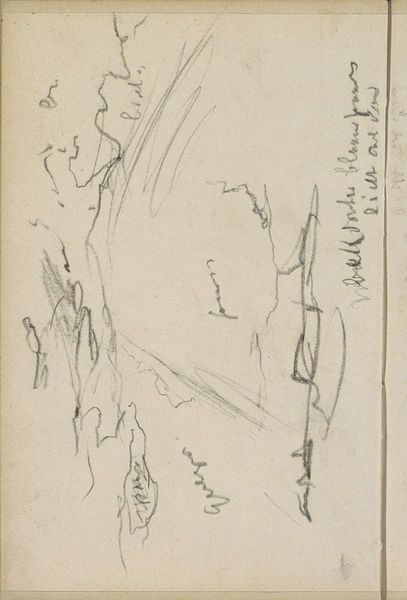
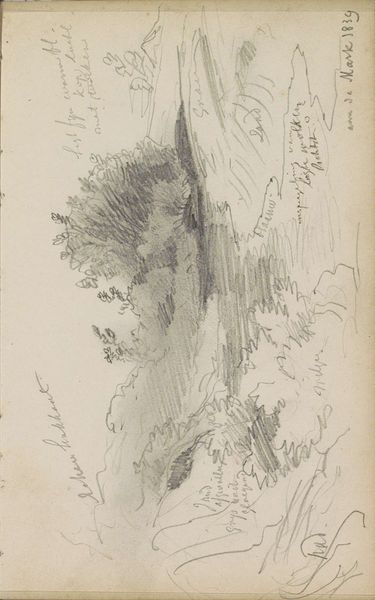
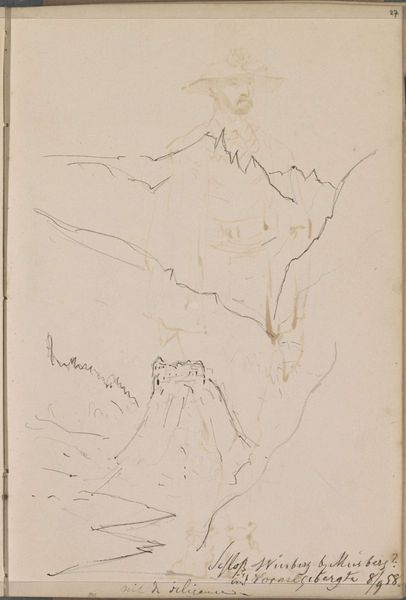
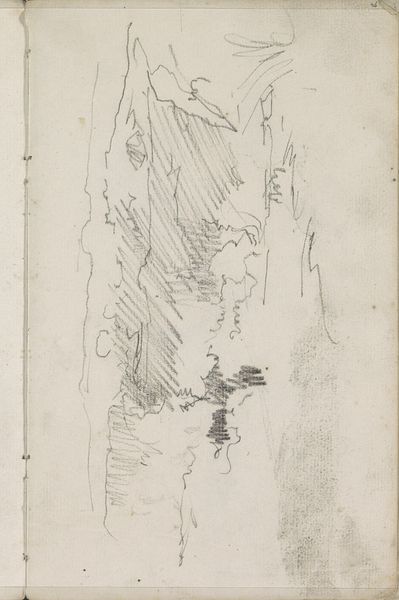
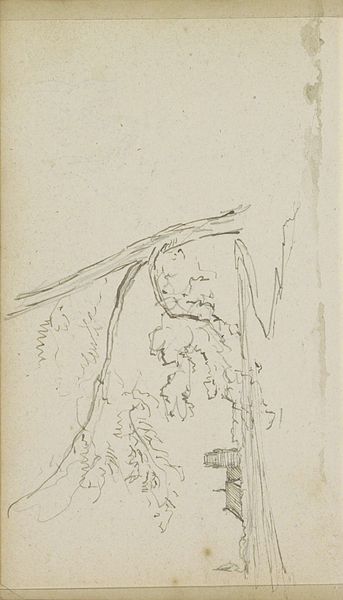
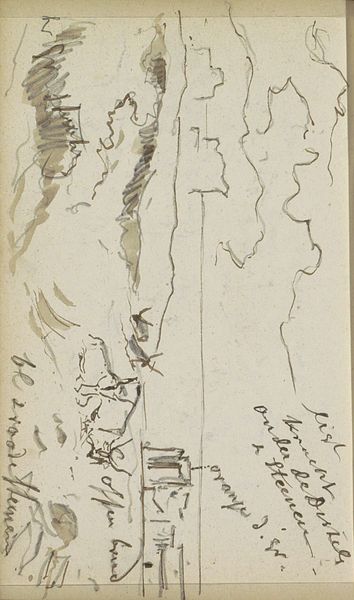
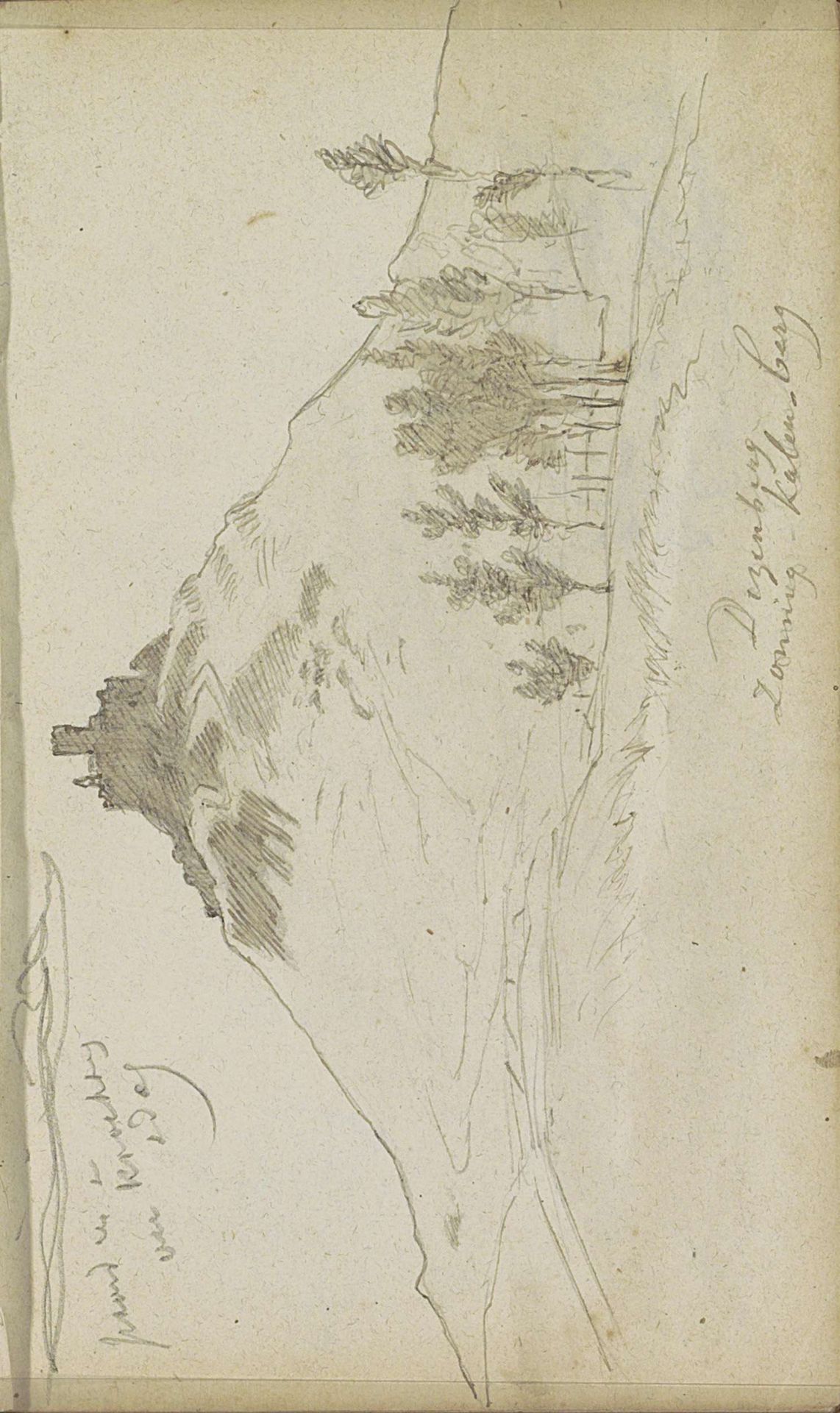
Here is a pencil drawing of Kasteelruïne op de Desenberg bij Warburg by Johannes Tavenraat. In the 19th century, landscape art was not just about pretty scenery; it was deeply connected to ideas of national identity and historical memory. Tavenraat, part of a generation grappling with what it meant to be Dutch, turns to the land to find and define that identity. Notice how the ruins of the castle sit atop the hill, rendered with delicate yet precise lines. This isn't just a depiction of a place; it's an engagement with history. The ruined castle speaks of time, of battles fought and lost, of a past that continues to haunt the present. The choice of a ruin, suggests a reflection on the impermanence of power and the inevitable decay of human constructions. It invites us to consider our place within a continuum of history, prompting questions about what we preserve, what we forget, and how we build upon the foundations of the past.
Kasteelruïne op de Desenberg bij Warburg
after 1854

Johannes Tavenraat
1809 - 1881Location
RijksmuseumArtwork details
- Location
- Rijksmuseum
- Copyright
- Rijks Museum: Open Domain
Comments
Share your thoughts
About this artwork
Here is a pencil drawing of Kasteelruïne op de Desenberg bij Warburg by Johannes Tavenraat. In the 19th century, landscape art was not just about pretty scenery; it was deeply connected to ideas of national identity and historical memory. Tavenraat, part of a generation grappling with what it meant to be Dutch, turns to the land to find and define that identity. Notice how the ruins of the castle sit atop the hill, rendered with delicate yet precise lines. This isn't just a depiction of a place; it's an engagement with history. The ruined castle speaks of time, of battles fought and lost, of a past that continues to haunt the present. The choice of a ruin, suggests a reflection on the impermanence of power and the inevitable decay of human constructions. It invites us to consider our place within a continuum of history, prompting questions about what we preserve, what we forget, and how we build upon the foundations of the past.
Comments
Share your thoughts