About this artwork
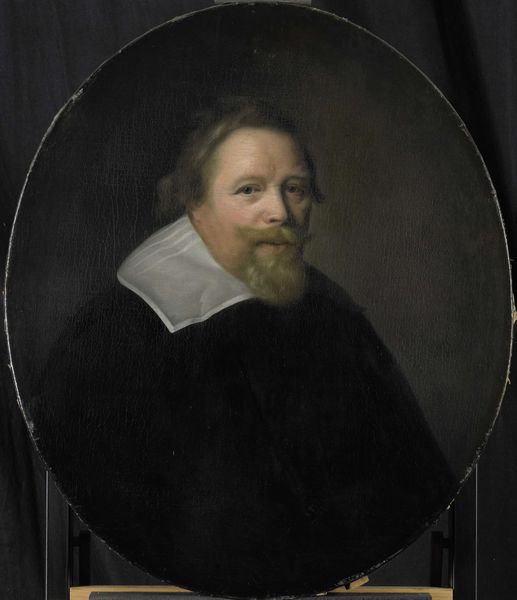
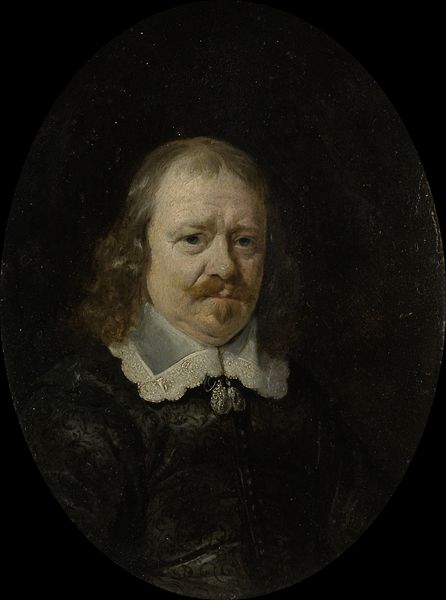
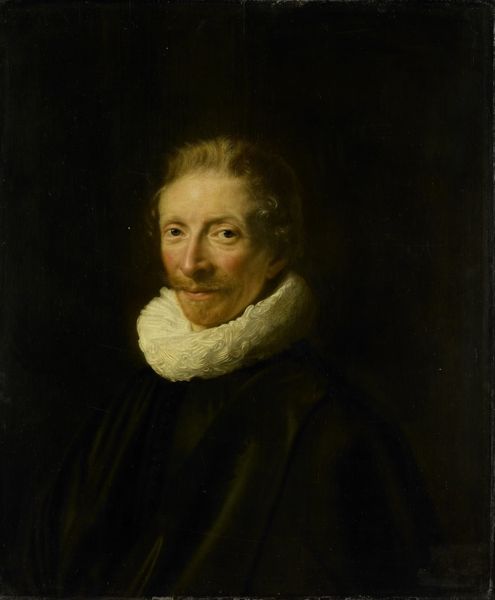
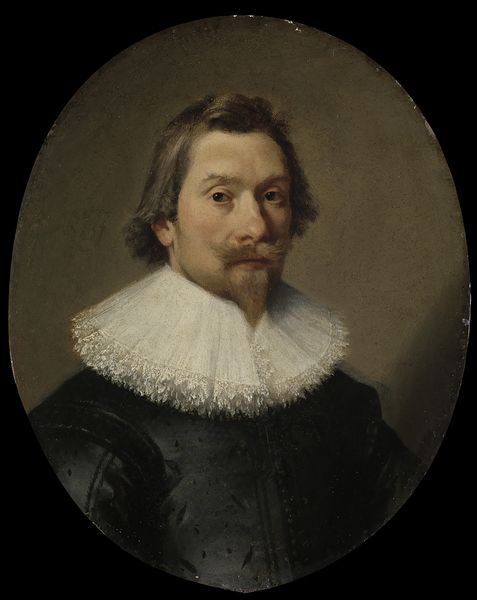
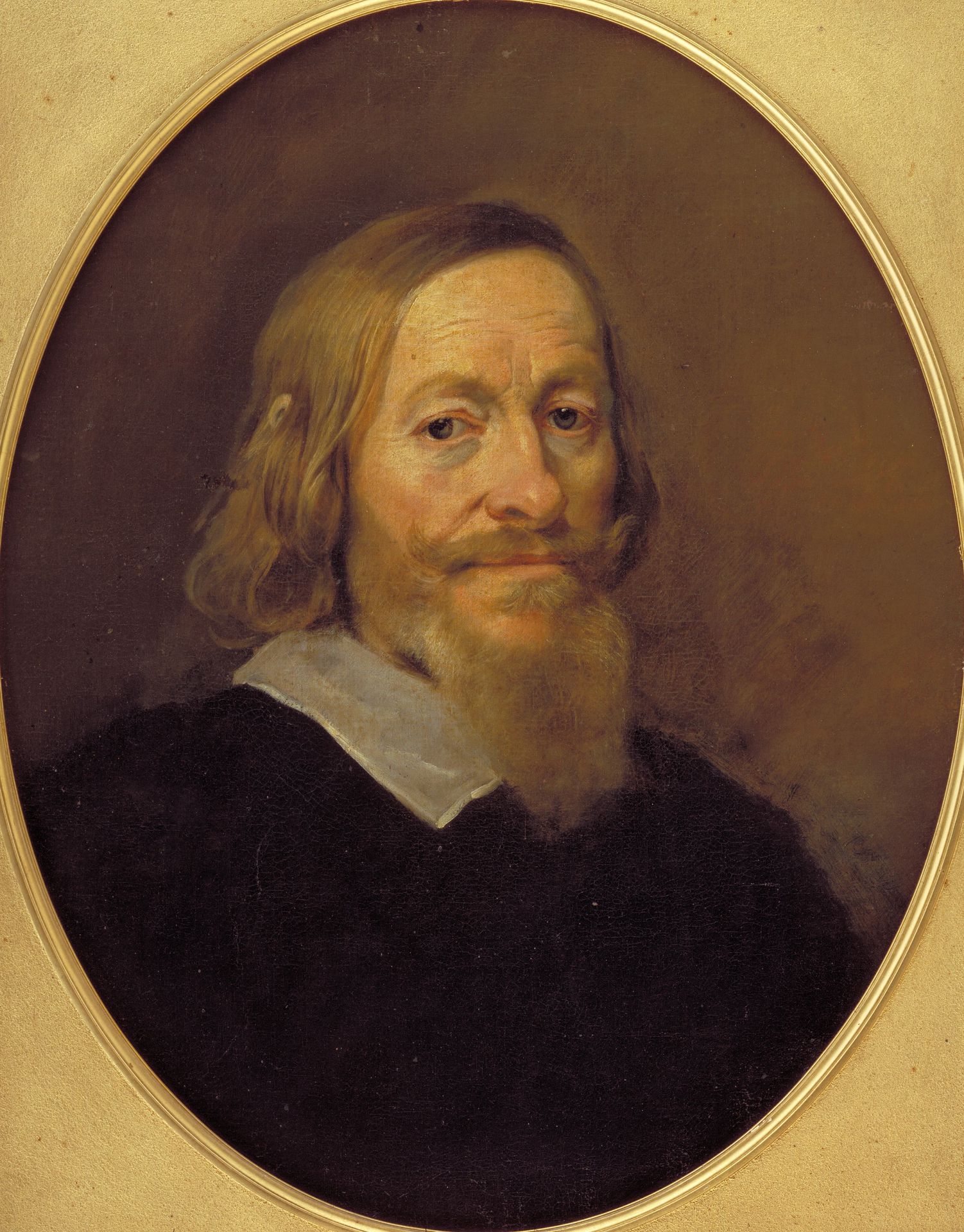
This is Karel van Mander III's portrait of Rigsadmiral Ove Gjedde, an oil on canvas whose date is unknown. The painting's somber tones and oval composition draw the eye directly to Gjedde’s face, a study in subtle realism. Mander's brushstrokes, while detailed, avoid idealization, presenting a face marked by age and experience. The contrasting textures—the smoothness of the skin against the rough, flowing beard—add depth, hinting at the complexities within the admiral's character. The dark background and clothing serve to isolate Gjedde, turning him into a figure of contemplation. This approach reflects the period's broader interest in capturing the individual. Yet, the portrait also engages with semiotic codes, using the admiral’s attire and bearing to communicate status and authority. The careful attention to texture and form transcends mere representation, inviting viewers to consider the psychological and social dimensions of identity. Ultimately, the painting’s enduring appeal lies in its ability to balance formal elements with a rich, interpretive potential.
Rigsadmiral Ove Gjedde
1624 - 1670


Artwork details
- Medium
- painting, oil-paint, canvas
- Dimensions
- 63 cm (height) x 50 cm (width) (Netto)
- Location
- SMK - Statens Museum for Kunst
Tags
Comments
Share your thoughts
About this artwork
This is Karel van Mander III's portrait of Rigsadmiral Ove Gjedde, an oil on canvas whose date is unknown. The painting's somber tones and oval composition draw the eye directly to Gjedde’s face, a study in subtle realism. Mander's brushstrokes, while detailed, avoid idealization, presenting a face marked by age and experience. The contrasting textures—the smoothness of the skin against the rough, flowing beard—add depth, hinting at the complexities within the admiral's character. The dark background and clothing serve to isolate Gjedde, turning him into a figure of contemplation. This approach reflects the period's broader interest in capturing the individual. Yet, the portrait also engages with semiotic codes, using the admiral’s attire and bearing to communicate status and authority. The careful attention to texture and form transcends mere representation, inviting viewers to consider the psychological and social dimensions of identity. Ultimately, the painting’s enduring appeal lies in its ability to balance formal elements with a rich, interpretive potential.
Comments
Share your thoughts