17th-18th century
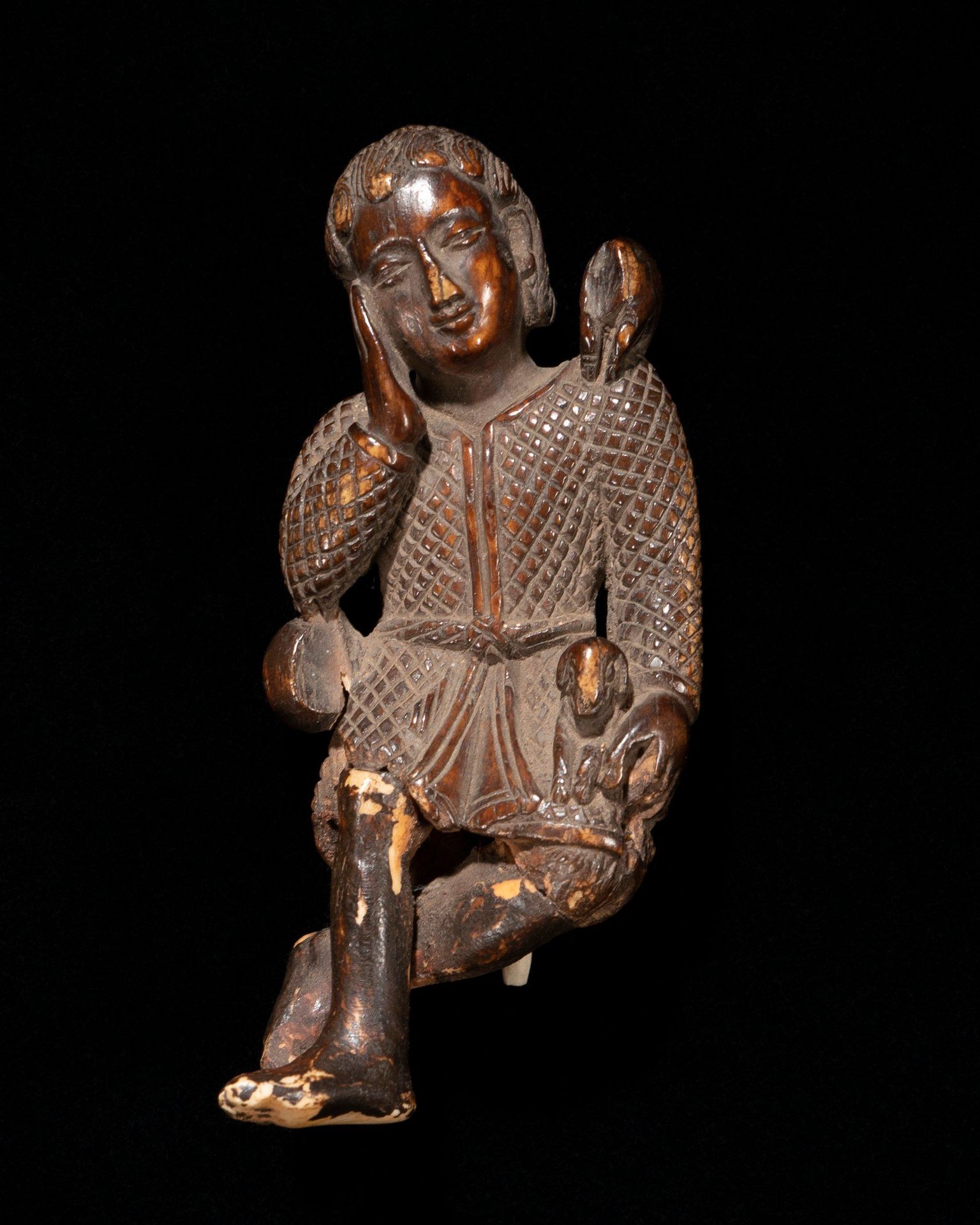
Christ the Good Shepherd


Listen to curator's interpretation
Curatorial notes
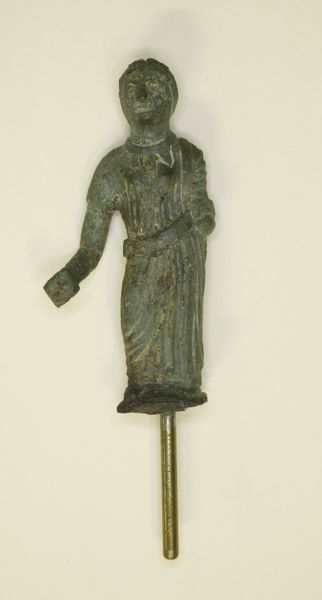
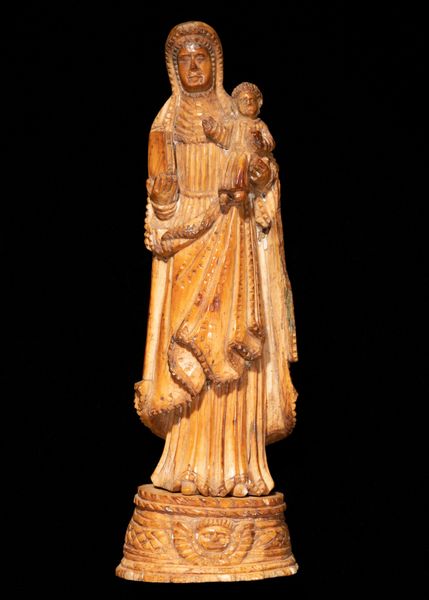
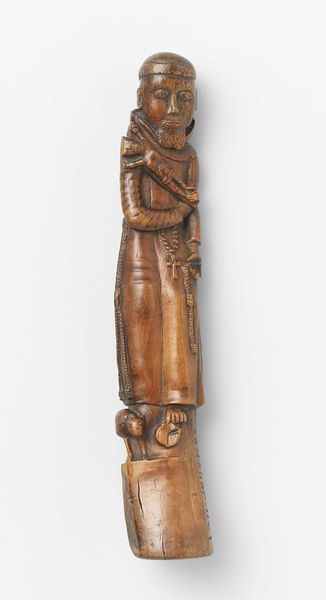
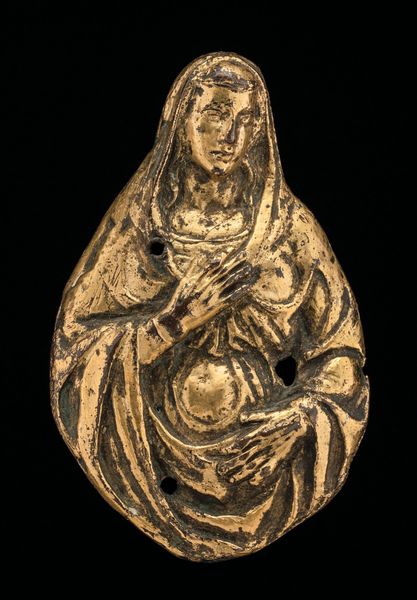
This small sculpture of Christ the Good Shepherd, housed at the Minneapolis Institute of Art, presents a potent symbol that transcends its modest scale. The youthful figure, with a lamb nestled at his side and another resting upon his shoulders, recalls the ancient Greco-Roman motif of the shepherd, a guardian and guide. This pastoral image was adopted by early Christians, and Christ, as the Good Shepherd, became a beacon of hope. Yet, centuries before Christianity, similar images were present in pagan art, where deities were often depicted with animals, symbolizing protection and benevolence. Consider the shepherd's pose, his hand gently supporting his head: it evokes contemplation and care. This resonates with the emotional connection between humans and animals, a bond that touches upon our deepest instincts for nurture and security. As the centuries unfolded, the Good Shepherd evolved, reappearing in different guises across art history. Its enduring appeal lies in its ability to tap into our collective memory, reminding us of the constant need for protection and guidance.