About this artwork
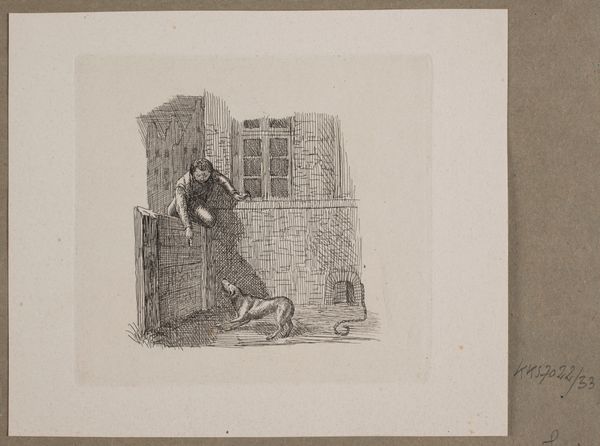
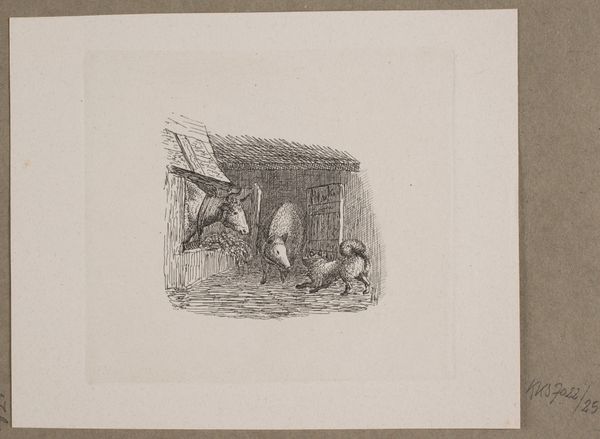
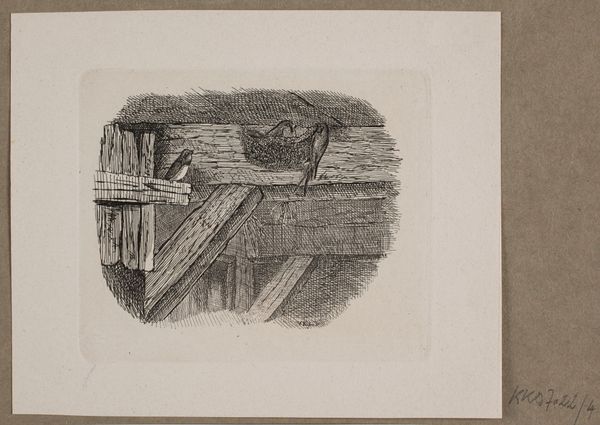
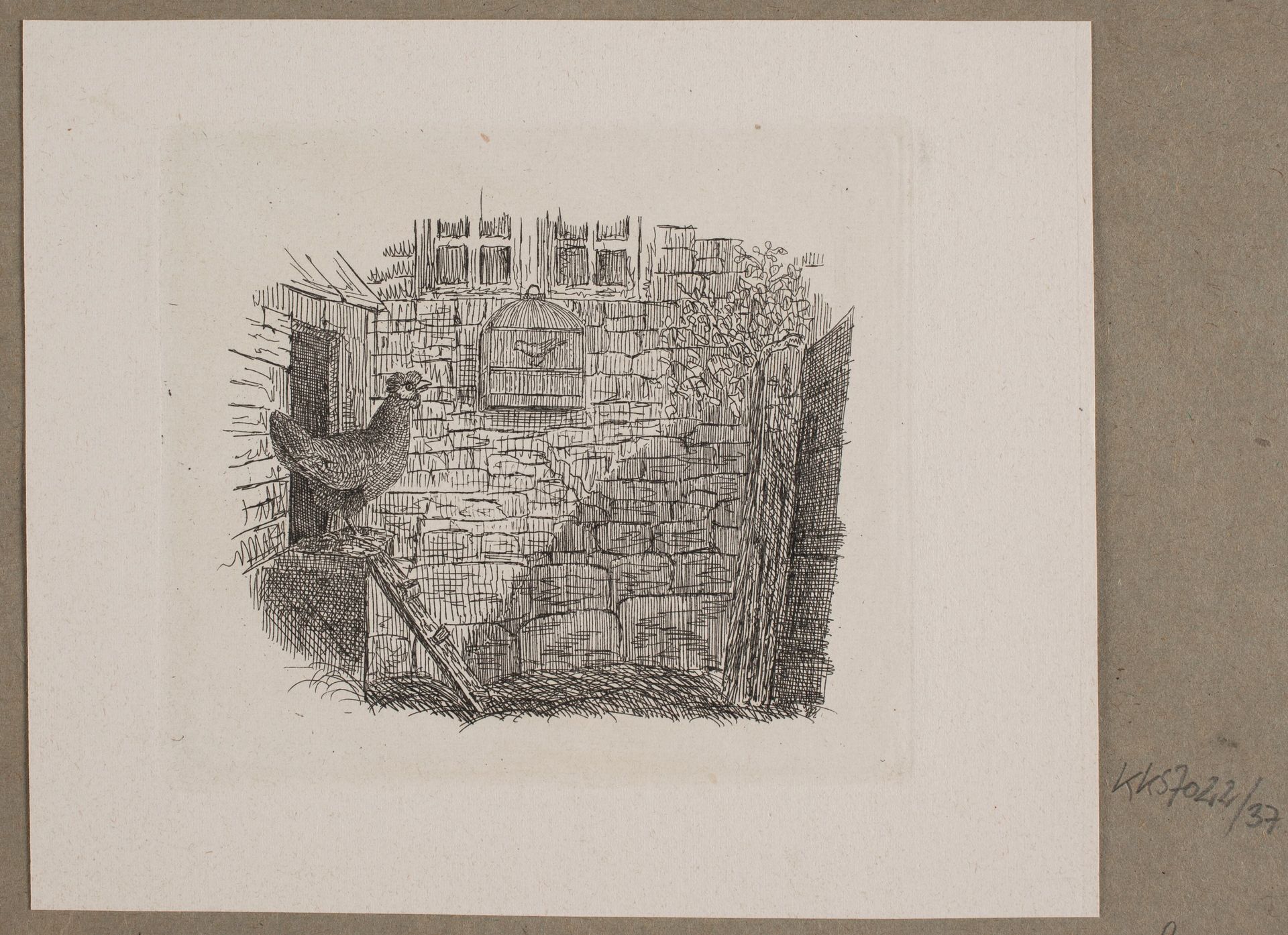
This illustration by Vilhelm Kyhn, likely from the 19th century, depicts a hen near a coop, with a caged bird hanging above. Birds, both free and captive, have long held symbolic weight. The hen, often seen as a symbol of domesticity and fertility, stands juxtaposed with the caged bird, representing confinement. Consider the evolution of this motif: from ancient myths where birds were messengers of the gods, to medieval tapestries where caged birds symbolized courtly love. The very act of caging a bird, of limiting its freedom, carries an emotional charge that resonates through time. We find variations of this theme in numerous artworks—a bird escaping its cage as a metaphor for liberation. The enduring appeal of this symbol speaks to our collective subconscious, a deep-seated longing for freedom. These images engage us because they tap into primal fears and desires. The cyclical progression of such symbols through history suggests an emotional need to explore the themes of freedom, oppression, and the human condition.
Illustration til O. Specter, "Fabler for Børn"
1838


Artwork details
- Medium
- drawing, print, engraving
- Dimensions
- 88 mm (height) x 110 mm (width) (plademaal)
- Location
- SMK - Statens Museum for Kunst
Tags
Comments
Share your thoughts
About this artwork
This illustration by Vilhelm Kyhn, likely from the 19th century, depicts a hen near a coop, with a caged bird hanging above. Birds, both free and captive, have long held symbolic weight. The hen, often seen as a symbol of domesticity and fertility, stands juxtaposed with the caged bird, representing confinement. Consider the evolution of this motif: from ancient myths where birds were messengers of the gods, to medieval tapestries where caged birds symbolized courtly love. The very act of caging a bird, of limiting its freedom, carries an emotional charge that resonates through time. We find variations of this theme in numerous artworks—a bird escaping its cage as a metaphor for liberation. The enduring appeal of this symbol speaks to our collective subconscious, a deep-seated longing for freedom. These images engage us because they tap into primal fears and desires. The cyclical progression of such symbols through history suggests an emotional need to explore the themes of freedom, oppression, and the human condition.
Comments
Share your thoughts