1587
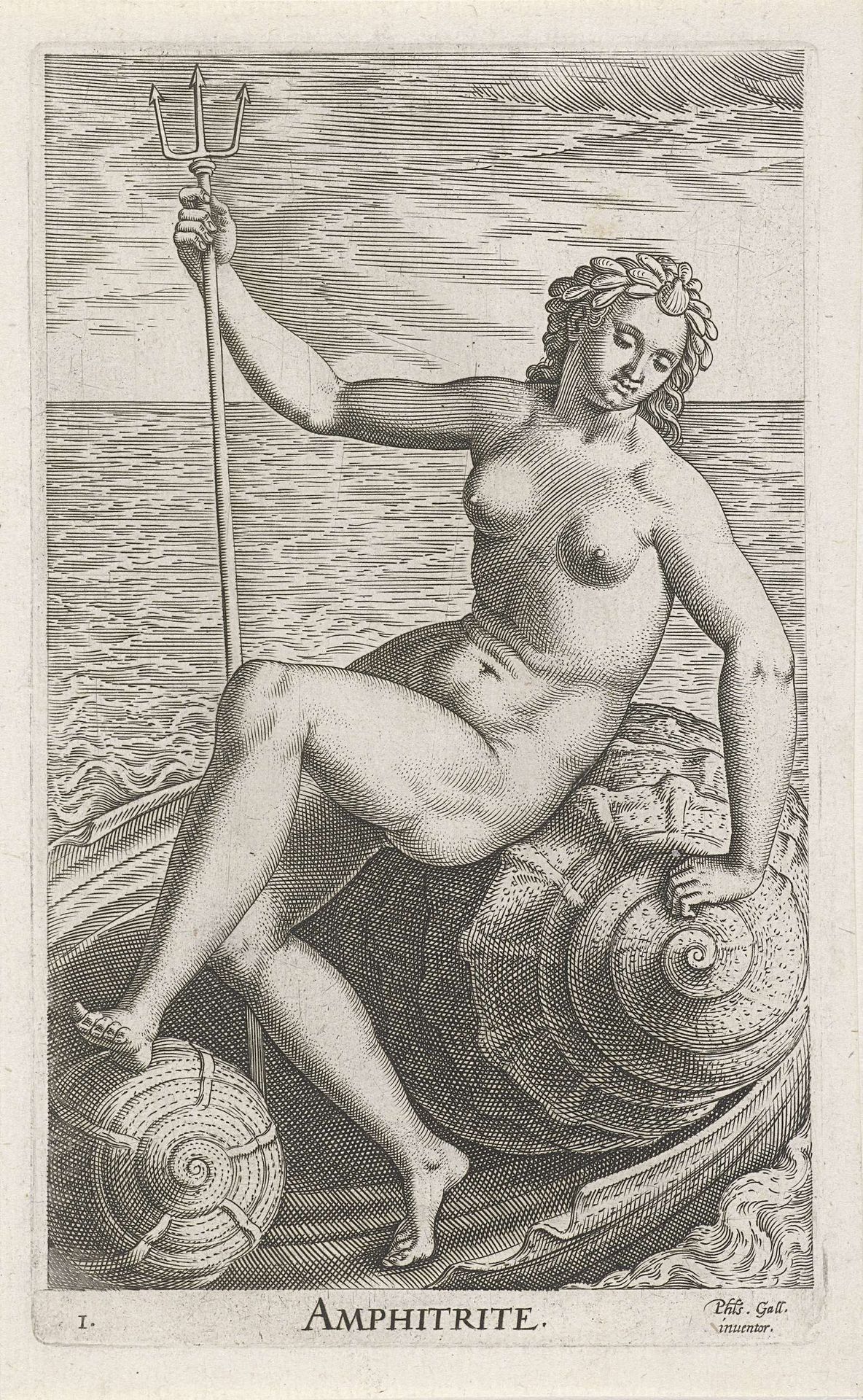
Zeegodin Amphitrite

Philips Galle
1537 - 1612Location
RijksmuseumListen to curator's interpretation
Curatorial notes
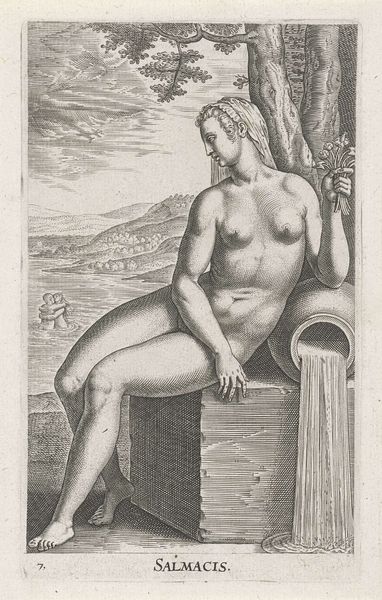
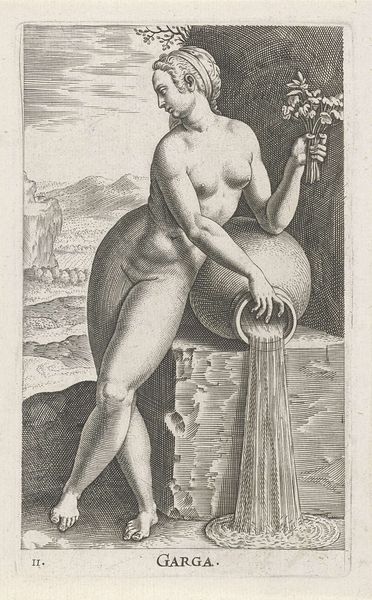
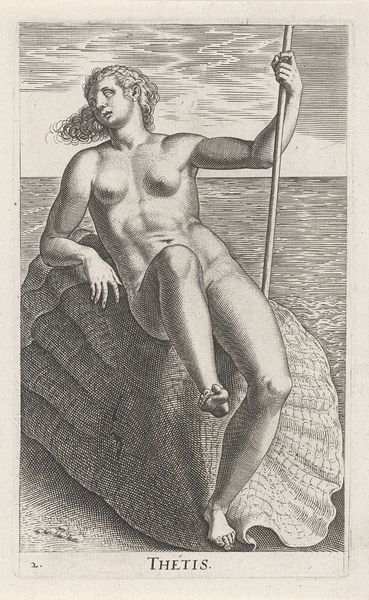
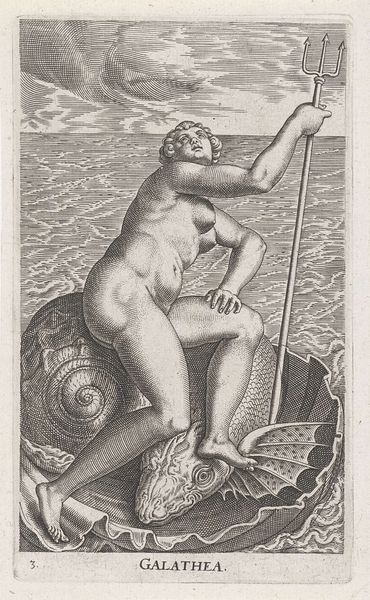
Philips Galle made this engraving of the sea goddess Amphitrite, sometime before his death in 1612, in the Netherlands. Amphitrite sits, mostly nude, upon a seashell, confidently holding Poseidon’s trident. Galle's image draws from classical mythology, a common practice during the Renaissance. The use of classical imagery reflects the values of the educated elite of the time, who saw themselves as heirs to the ancient world. The goddess Amphitrite, a symbol of the sea's power, would have been particularly relevant to the Netherlands, a major seafaring nation. Galle, as a prominent printmaker in Antwerp, was part of a sophisticated artistic and intellectual network. His workshop produced numerous prints after designs by leading artists, contributing to the spread of artistic ideas across Europe. To truly understand the engraving, we can examine the history of printmaking in the Netherlands, the influence of classical literature on Renaissance art, and the role of mythology in shaping cultural identity.