About this artwork
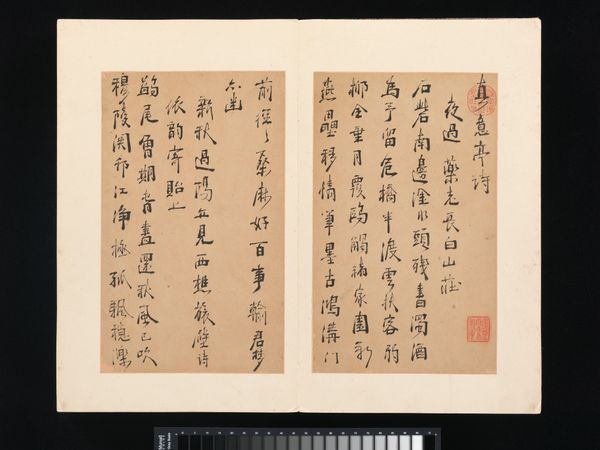
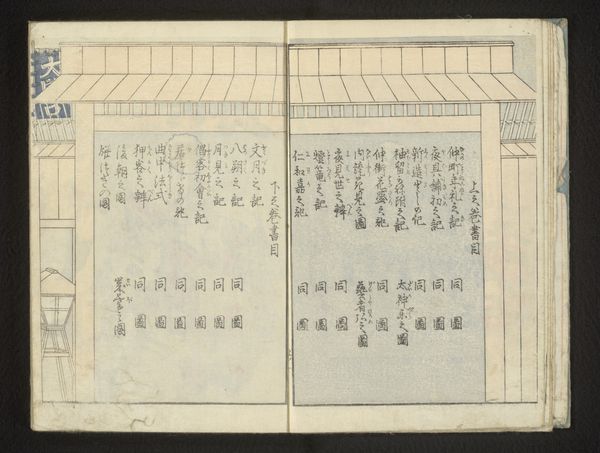
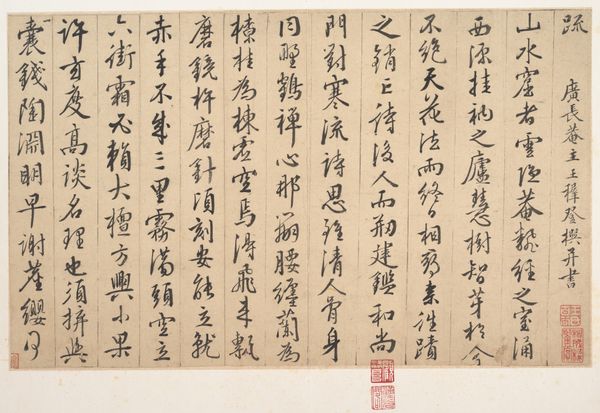
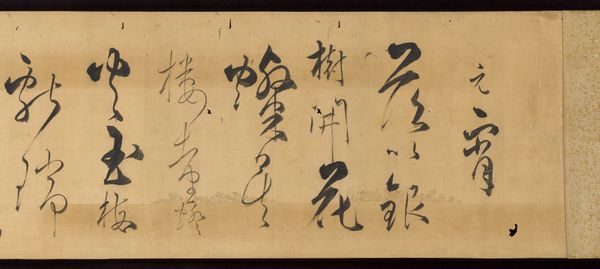
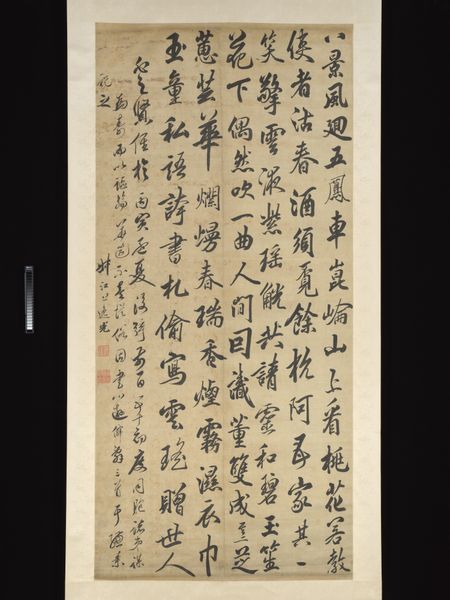
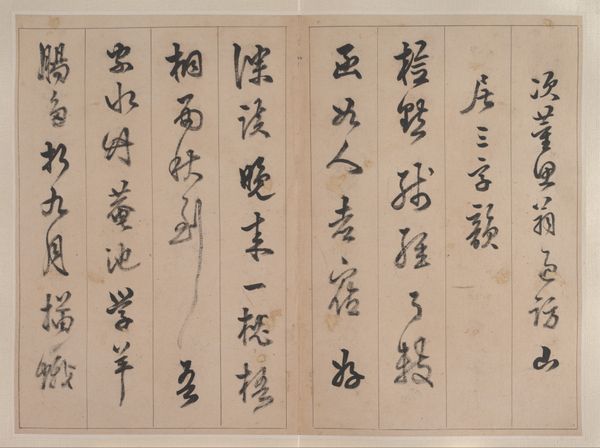
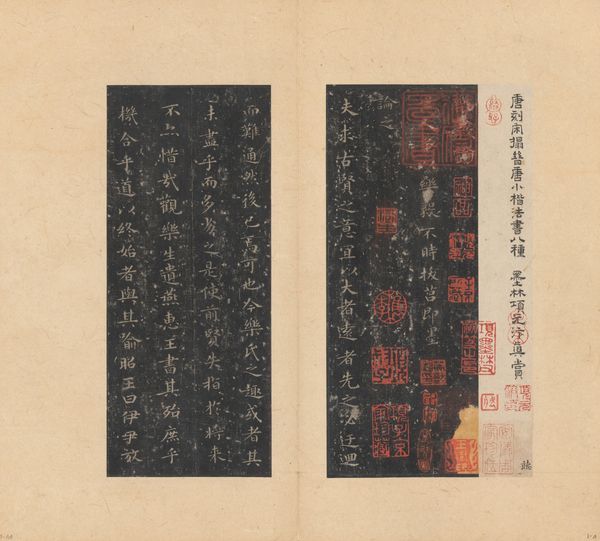
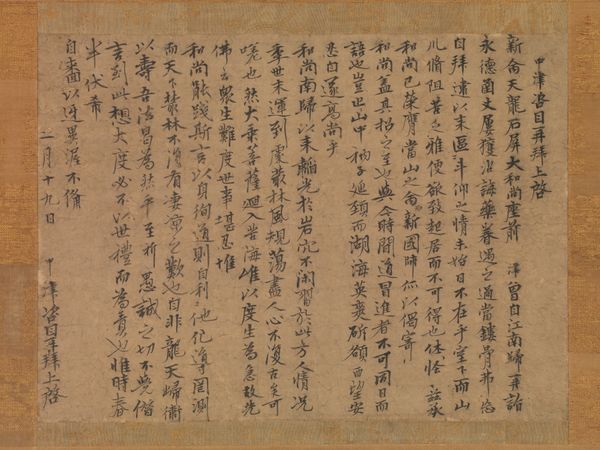
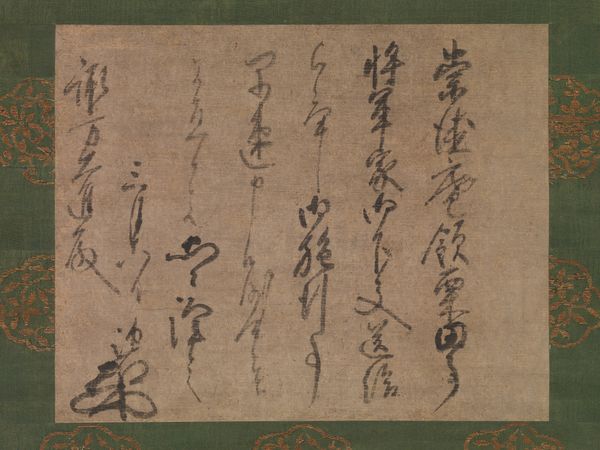
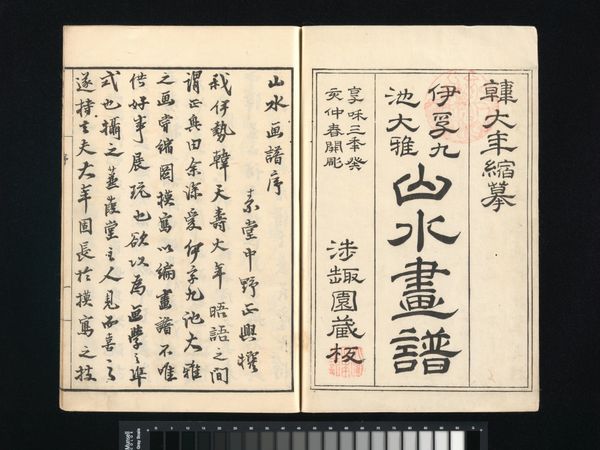
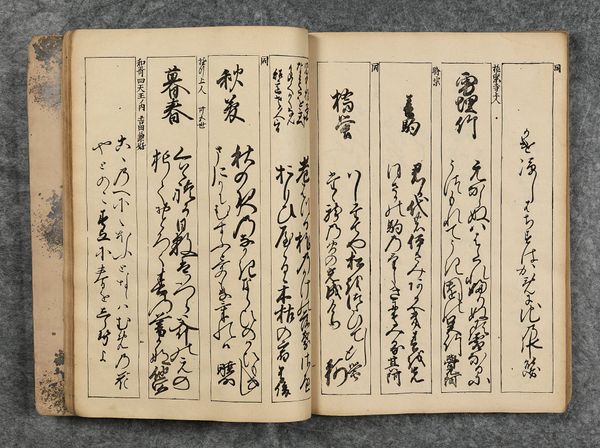
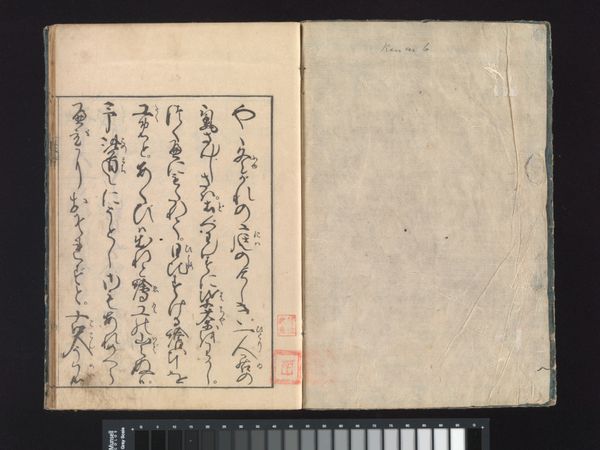
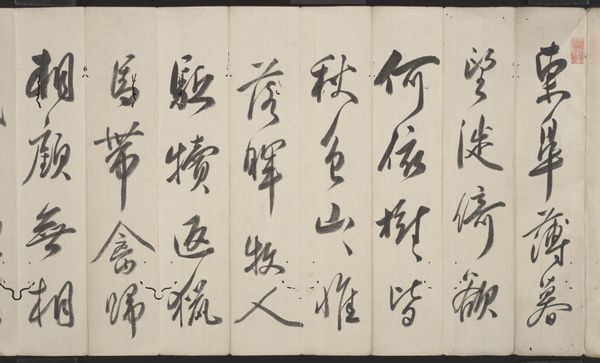
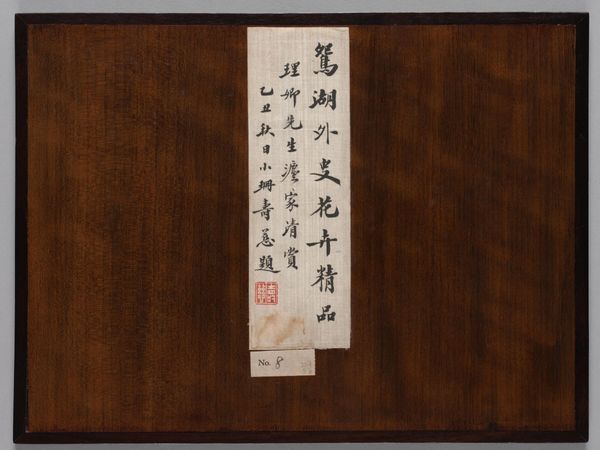
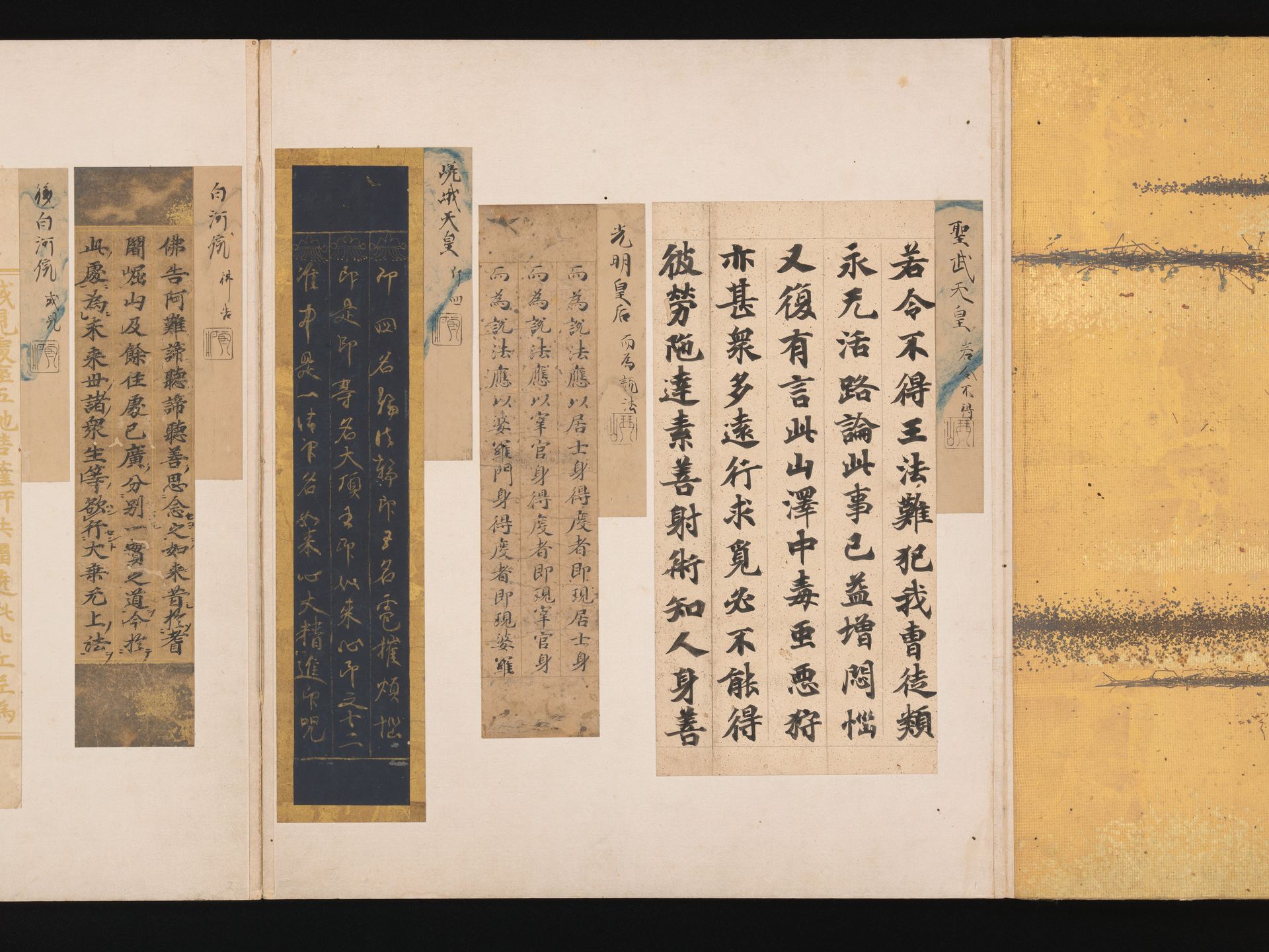
This album, “A Mirror of Gathered Seaweed,” houses calligraphy in ink on paper, offering a unique study in contrasts and textures. The album's leaves reveal an interplay between dark, dense calligraphic strokes and the varying tones of the paper itself, setting up a visual rhythm that invites contemplation. Notice how each panel presents a distinct visual experience through varied column widths and character sizes, influencing the reading and viewing experience. The vertical alignment and spacing between the text create visual pathways, challenging our traditional modes of perception and engagement with textual art. Are the characters arranged to convey meaning, or is their design purely aesthetic? Consider how the composition destabilizes the traditional relationship between text and background, suggesting a more fluid understanding of form and content. This tension pushes us to reconsider conventional interpretations of space and meaning within art.
A Mirror of Gathered Seaweed (Mokagami)
710 - 1868


Artwork details
- Medium
- drawing, print, textile, paper, ink
- Dimensions
- Album: 15 3/4 × 13 3/8 × 6 5/16 in. (40 × 34 × 16 cm)
- Location
- Metropolitan Museum of Art, New York, NY
- Copyright
- Public Domain
Tags
Comments
Share your thoughts
About this artwork
This album, “A Mirror of Gathered Seaweed,” houses calligraphy in ink on paper, offering a unique study in contrasts and textures. The album's leaves reveal an interplay between dark, dense calligraphic strokes and the varying tones of the paper itself, setting up a visual rhythm that invites contemplation. Notice how each panel presents a distinct visual experience through varied column widths and character sizes, influencing the reading and viewing experience. The vertical alignment and spacing between the text create visual pathways, challenging our traditional modes of perception and engagement with textual art. Are the characters arranged to convey meaning, or is their design purely aesthetic? Consider how the composition destabilizes the traditional relationship between text and background, suggesting a more fluid understanding of form and content. This tension pushes us to reconsider conventional interpretations of space and meaning within art.
Comments
Share your thoughts