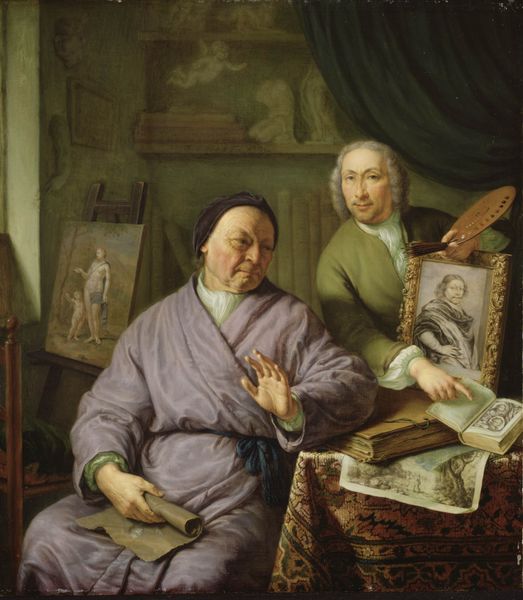
1735
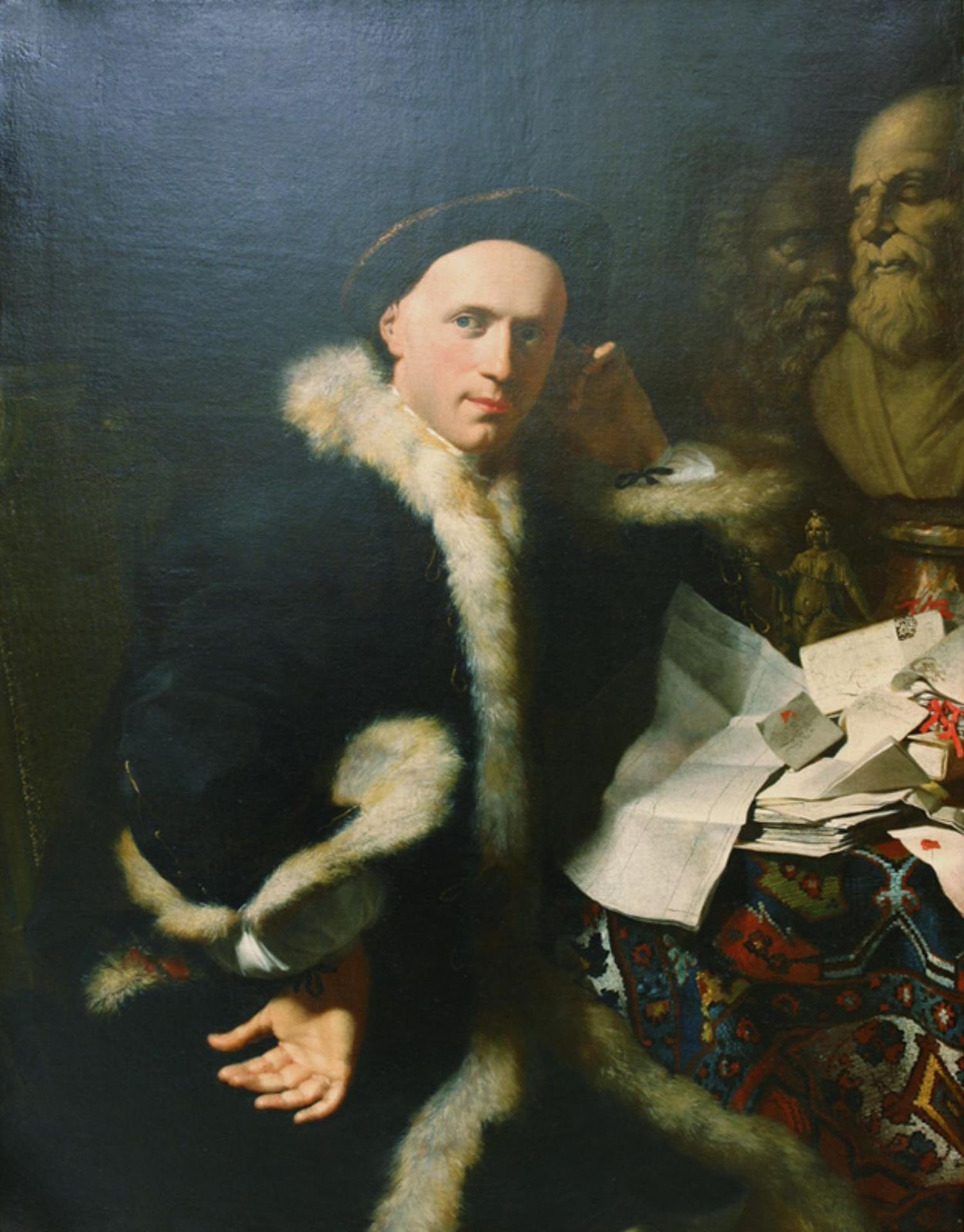
Portrait of John Lambert


Listen to curator's interpretation
Curatorial notes
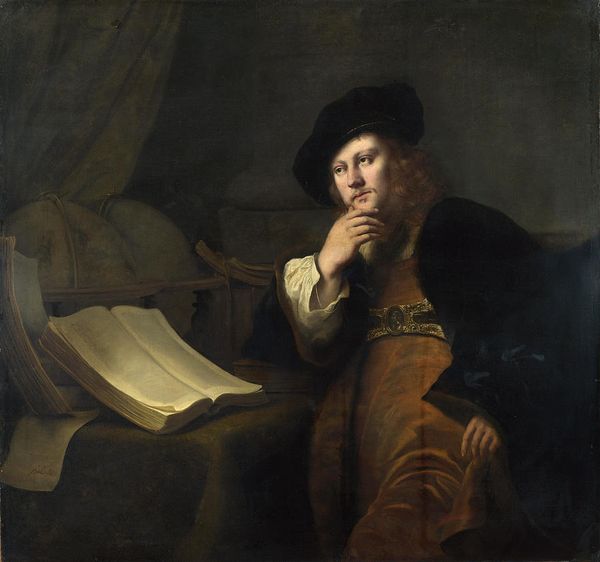
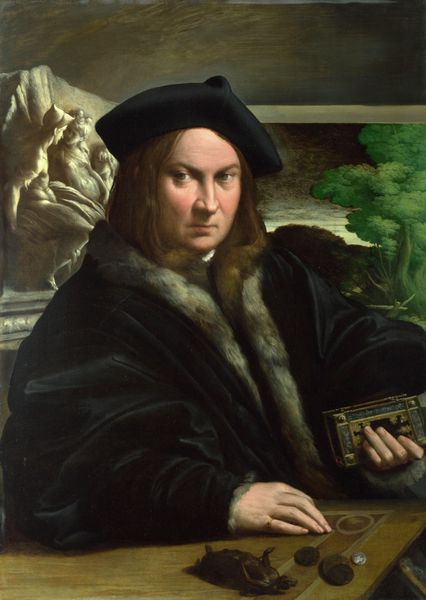
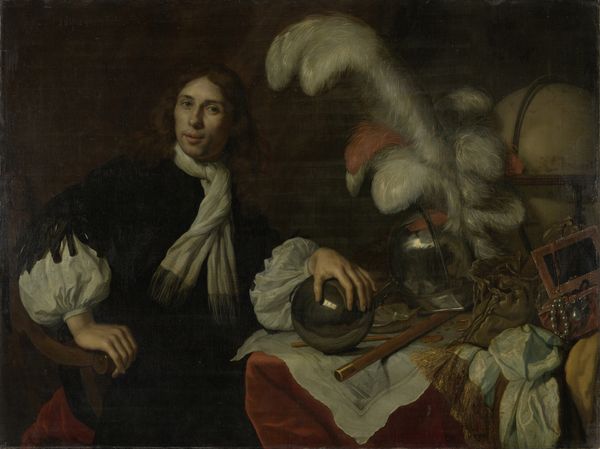
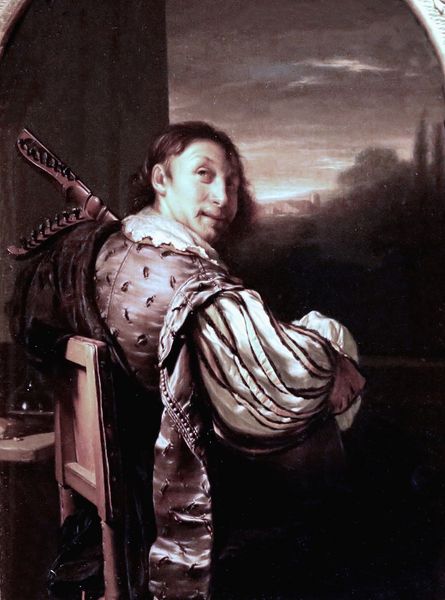
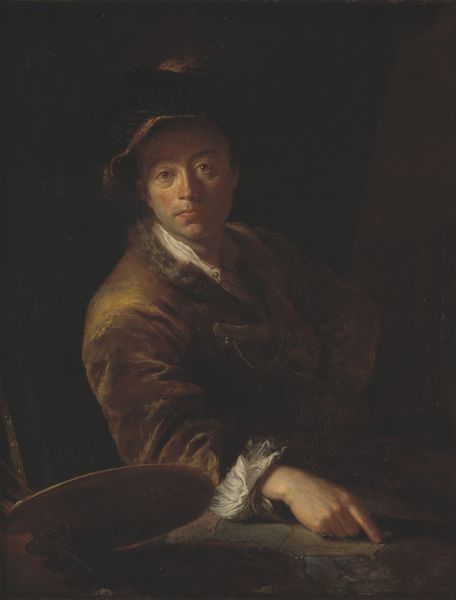
Editor: This is Marcus Tuscher's "Portrait of John Lambert," painted in 1735, using oil on canvas. There's a lot to take in – his clothing, the busts in the background, all those papers... The portrait gives a real sense of wealth, but also maybe intellectualism. How do you interpret this work? Curator: Immediately, I'm drawn to the portrait's reliance on classical symbols. Note the busts—they’re referencing figures of antiquity, signifying wisdom and learning. The fur-lined robe is equally interesting. What does that say to you? Editor: Well, it speaks to status and power, definitely. The sitter wants to associate himself with important cultural touchstones. It all feels very deliberate. Curator: Precisely. Think about what fur has represented through different periods – protection, luxury, even savagery. Here, it could represent an embracing of worldly success alongside intellectual pursuits. It's a powerful visual statement, almost a coded language about identity. What about the papers? Editor: I suppose they might represent John Lambert's scholarly or professional life, suggesting correspondence or important documents, perhaps alluding to some great responsibility. But, on the other hand, I almost wonder if the clutter could suggest how worldly pursuits obscure his intellectual life. Curator: An intriguing thought. It is through these subtle contrasts, these visual cues and cultural memories that we, the viewers, engage with a richer understanding of not just the portrait, but the world it represented. We begin to read it as a narrative. Editor: That's fascinating, how these combined visual elements work together, like layers in a complex symbolic language. It’s certainly given me a new perspective on the portrait genre. Curator: And, it highlights how artistic expression provides us with insights into the emotional and psychological frameworks of an entire historical epoch.