About this artwork
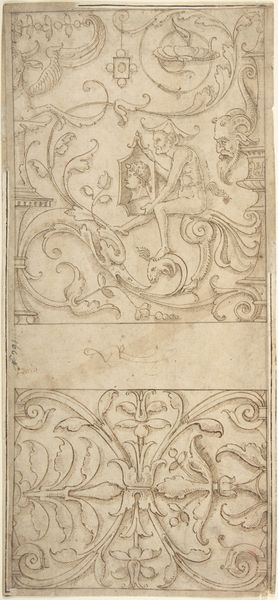
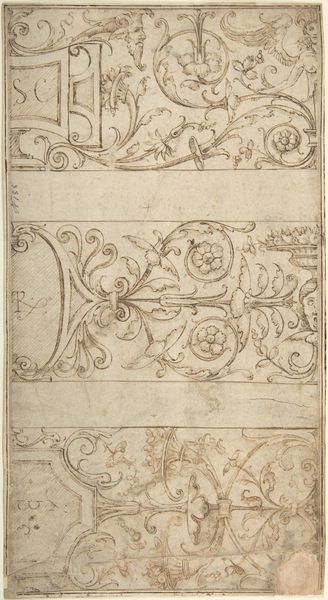
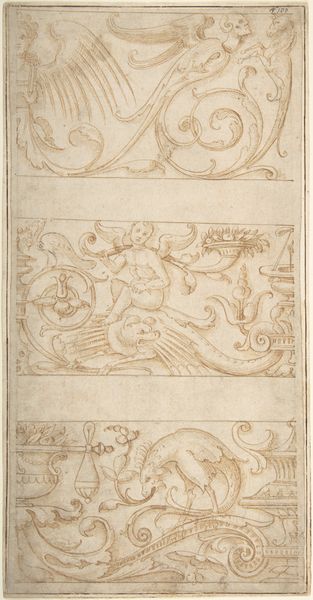
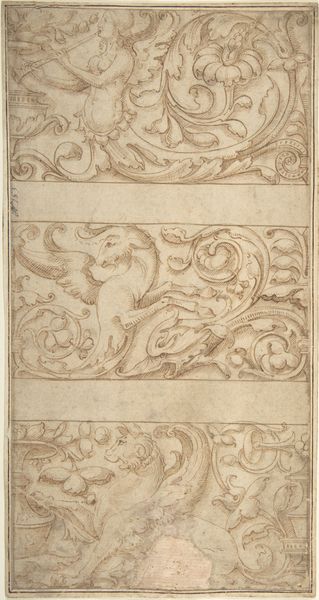
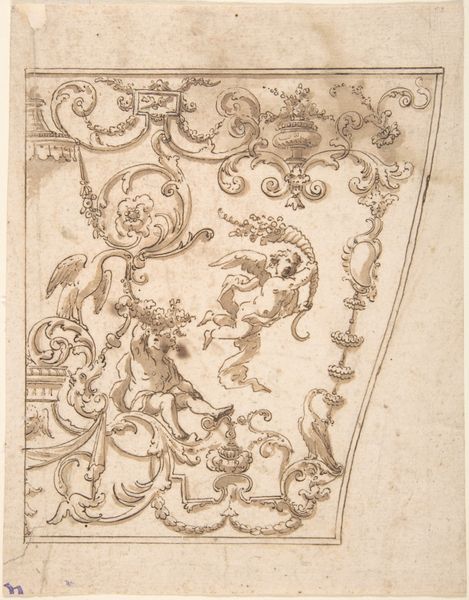
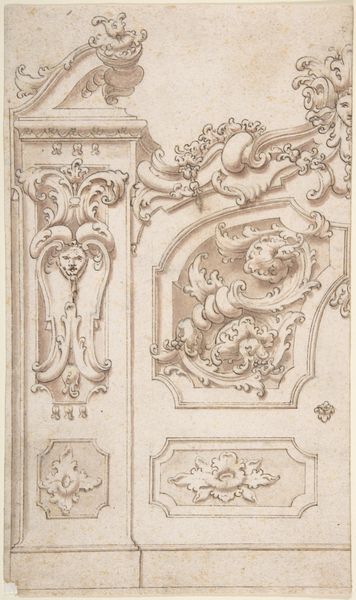
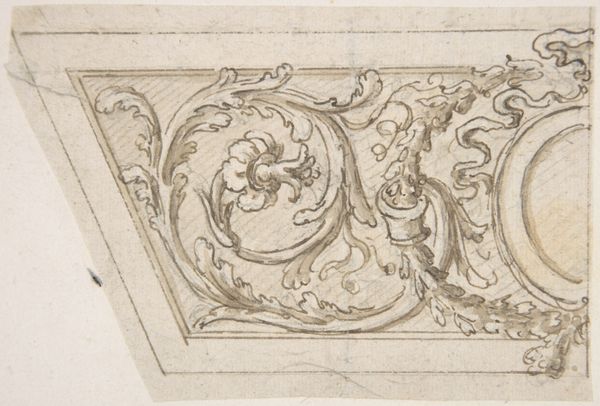
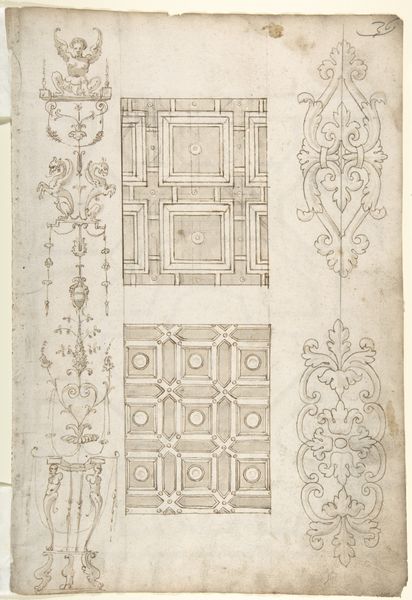
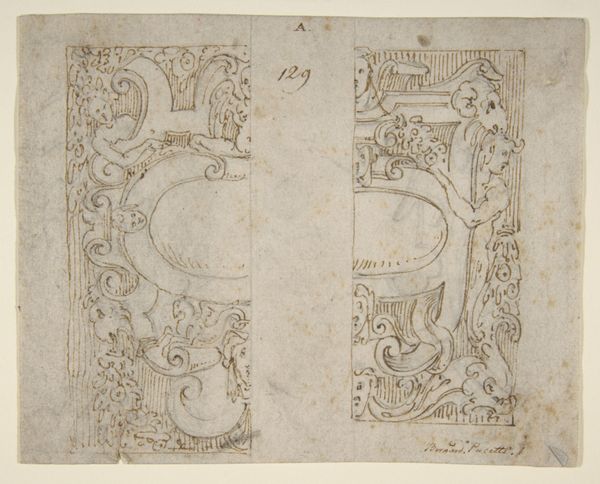
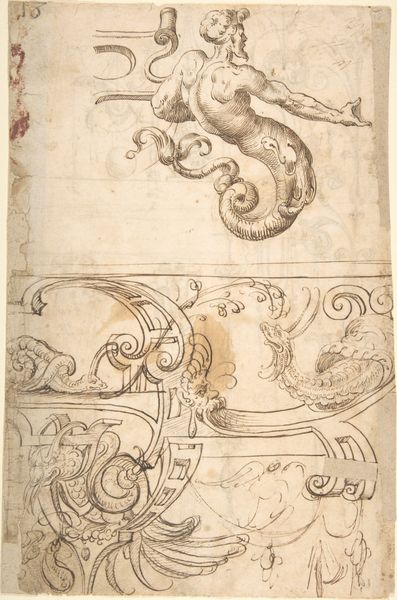
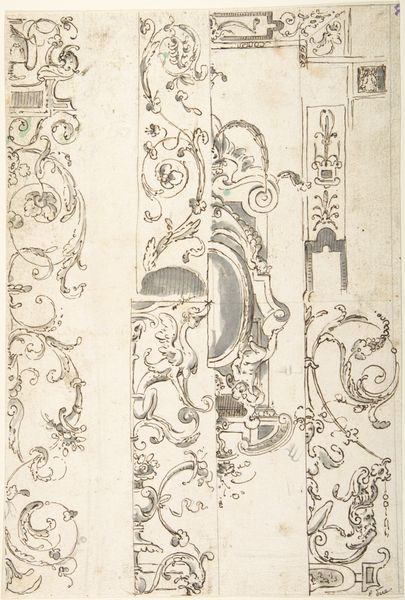
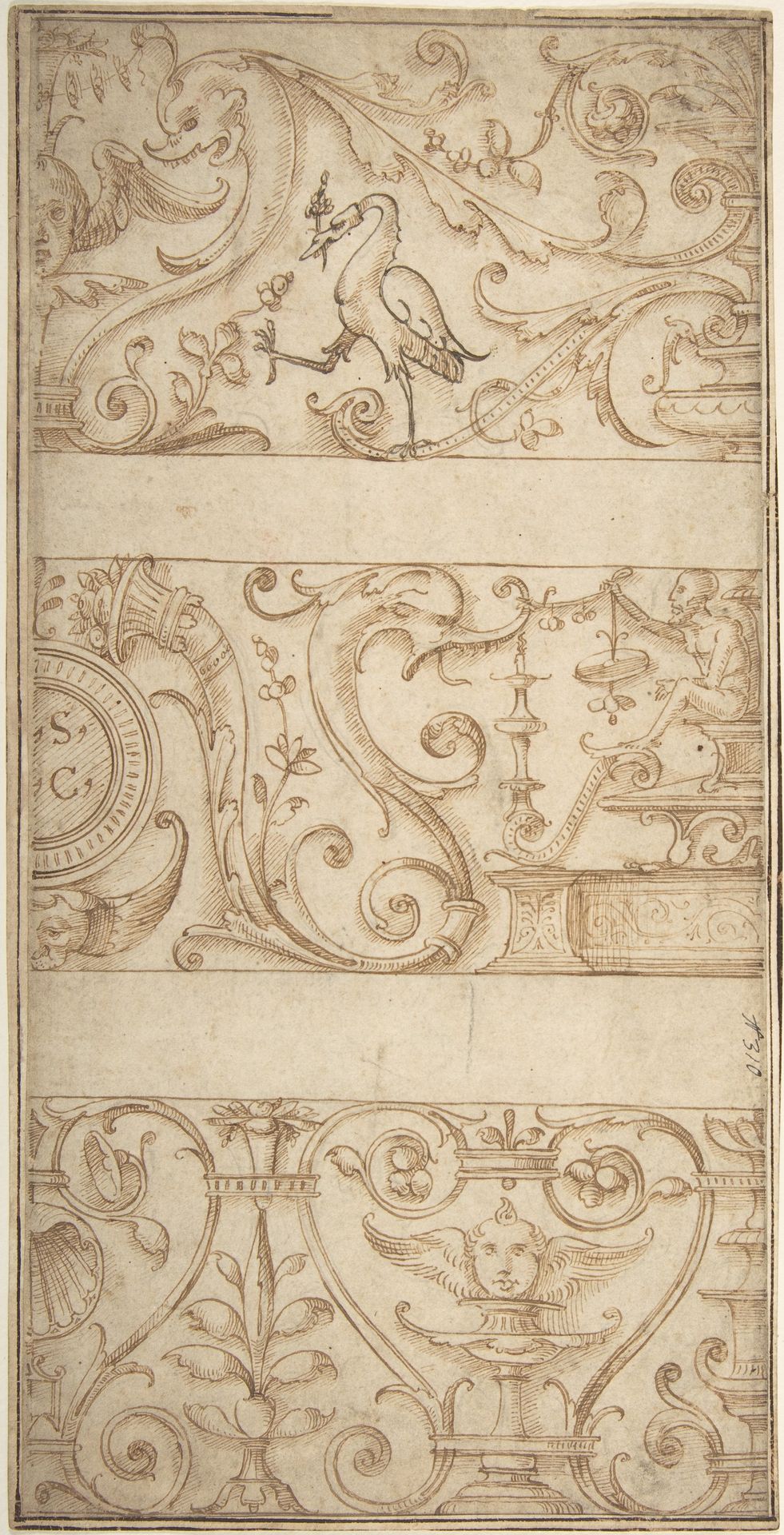
This ornament design, rendered in ink, showcases a symphony of classical motifs, reflecting a fascination with antiquity. Notice the recurring presence of flora and fauna alongside human and mythological figures. Consider, for instance, the elegant stork grasping a flower, echoing images of vigilance, rebirth, and divine protection. This motif, as old as the hills, migrates through history. Indeed, the image appears to be a study in contrasts. Observe how each distinct motif is imbued with its own cultural significance, often contradicting each other in their symbolic essence. These motifs are not merely aesthetic elements but vessels of collective memory, capable of evoking a sense of nostalgia. As the Renaissance looked back to antiquity, each succeeding period has looked back at the Renaissance. Thus, this design reminds us of the cyclical nature of art and culture, as old forms return, transformed by new hands and new visions.
Ornament design after the antique
1500 - 1550


Artwork details
- Medium
- drawing, ornament, print, paper
- Dimensions
- 13 1/2 x 16 3/4 in. (34.3 x 42.5 cm)
- Location
- Metropolitan Museum of Art, New York, NY
- Copyright
- Public Domain
Tags
Comments
Share your thoughts
About this artwork
This ornament design, rendered in ink, showcases a symphony of classical motifs, reflecting a fascination with antiquity. Notice the recurring presence of flora and fauna alongside human and mythological figures. Consider, for instance, the elegant stork grasping a flower, echoing images of vigilance, rebirth, and divine protection. This motif, as old as the hills, migrates through history. Indeed, the image appears to be a study in contrasts. Observe how each distinct motif is imbued with its own cultural significance, often contradicting each other in their symbolic essence. These motifs are not merely aesthetic elements but vessels of collective memory, capable of evoking a sense of nostalgia. As the Renaissance looked back to antiquity, each succeeding period has looked back at the Renaissance. Thus, this design reminds us of the cyclical nature of art and culture, as old forms return, transformed by new hands and new visions.
Comments
Share your thoughts