About this artwork
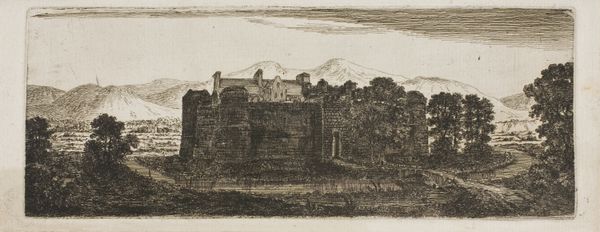
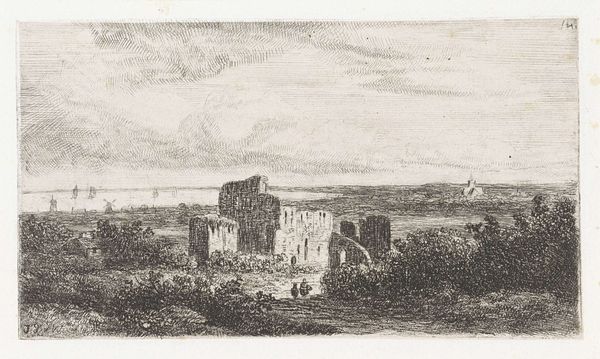
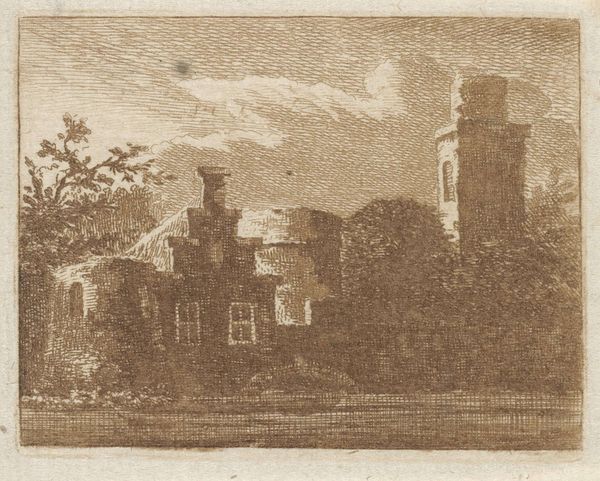
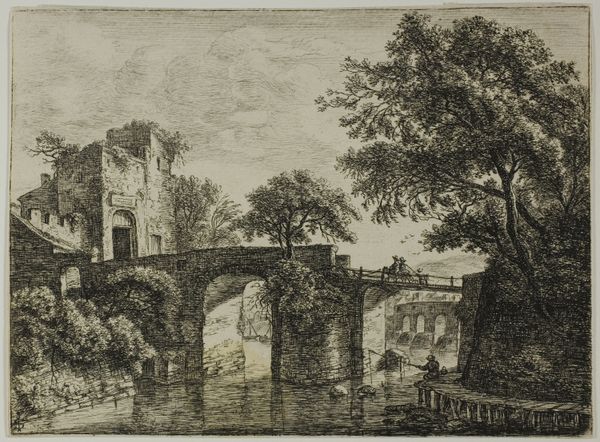
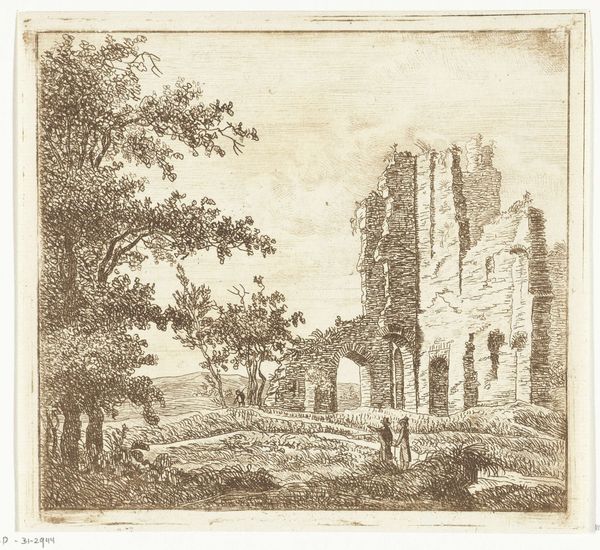
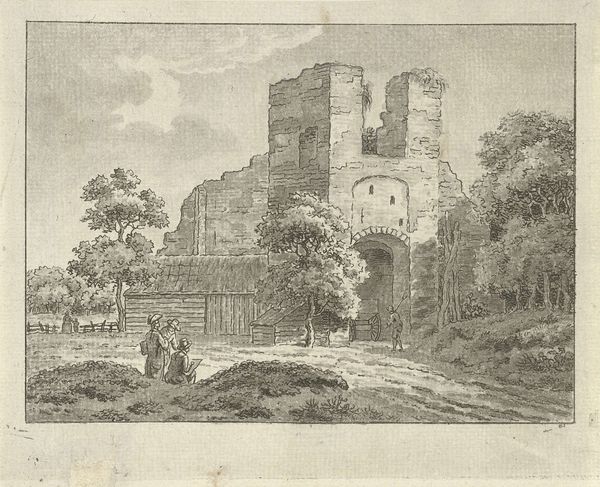
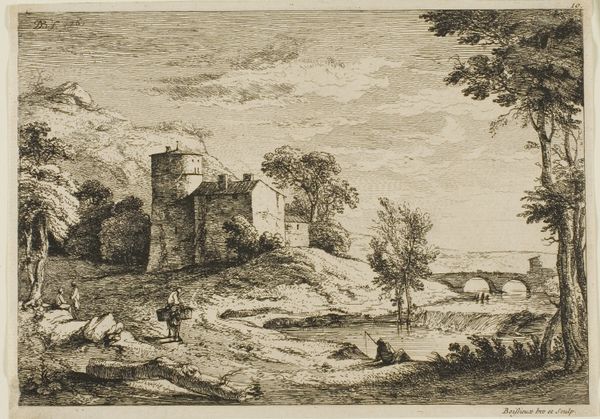
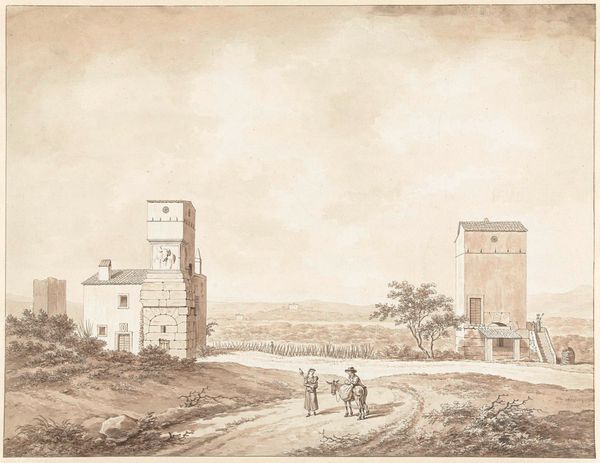
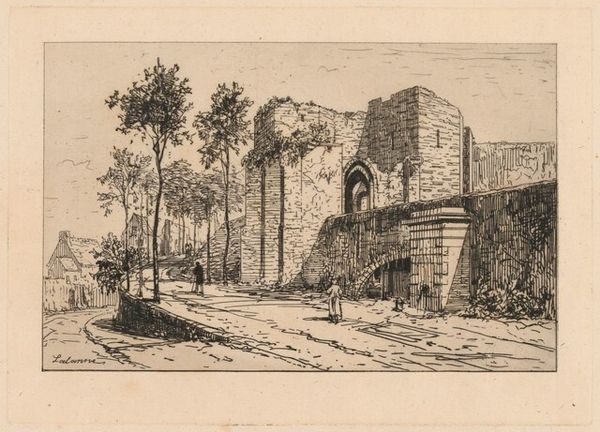
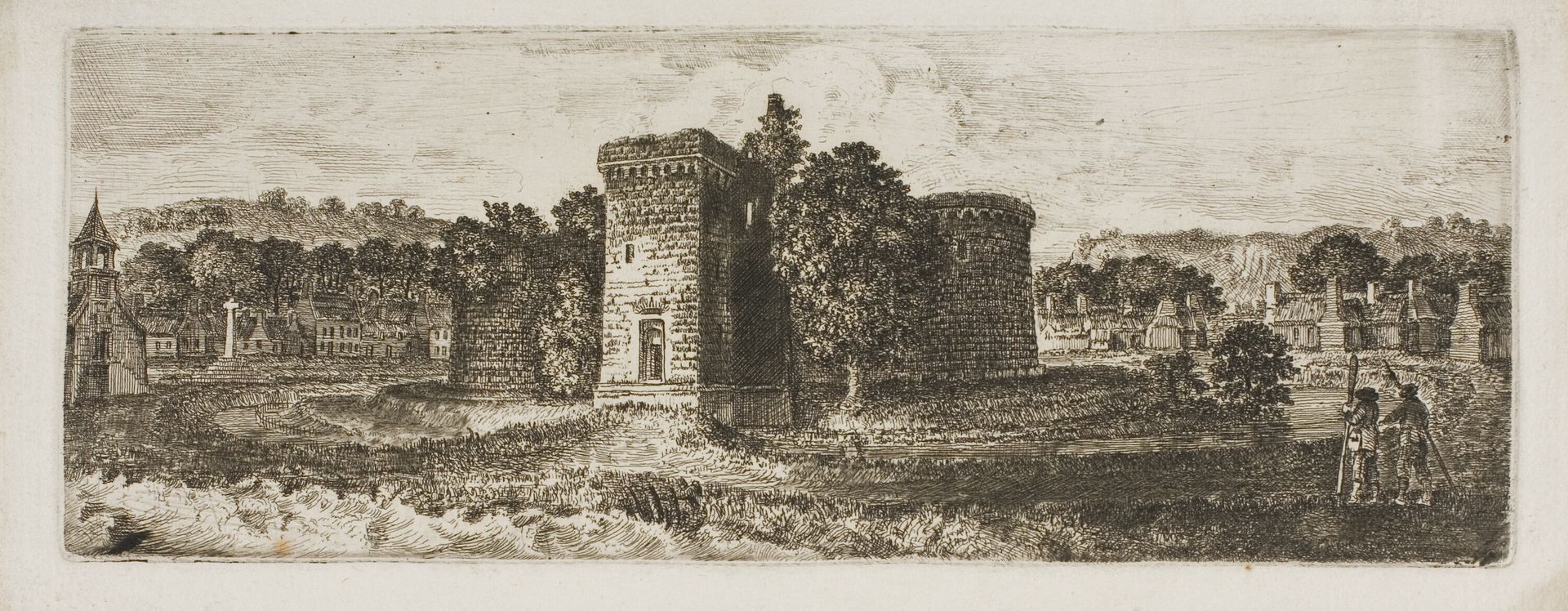
John Clerk of Eldin created this print of Rothesay Castle using etching, a process that employs acid to cut into a metal plate, sometime in the late 18th century. Clerk of Eldin belonged to the Scottish Enlightenment, a period of intellectual and social transformation. His work provides a window into the aesthetic values of his time, particularly the fascination with landscape and the picturesque. Yet, it's also a product of a hierarchical society. Note the tiny figures in the foreground, perhaps a landowner and his servant. The castle, a symbol of power and history, looms behind them. Consider how the print might speak to notions of Scottish identity, of pride in its history. How does the print affirm or question the existing social order? The crumbling castle evokes a sense of nostalgia and reflection on the passage of time. It invites us to consider the relationship between past and present and the stories embedded in landscapes.
Rothesay Castle n.d.


Artwork details
- Medium
- drawing, print, etching, paper
- Dimensions
- 76 × 205 mm (image/plate); 92 × 226 mm (sheet)
- Location
- The Art Institute of Chicago
- Copyright
- Public Domain
Tags
drawing
etching
landscape
paper
cityscape
Comments
No comments
About this artwork
John Clerk of Eldin created this print of Rothesay Castle using etching, a process that employs acid to cut into a metal plate, sometime in the late 18th century. Clerk of Eldin belonged to the Scottish Enlightenment, a period of intellectual and social transformation. His work provides a window into the aesthetic values of his time, particularly the fascination with landscape and the picturesque. Yet, it's also a product of a hierarchical society. Note the tiny figures in the foreground, perhaps a landowner and his servant. The castle, a symbol of power and history, looms behind them. Consider how the print might speak to notions of Scottish identity, of pride in its history. How does the print affirm or question the existing social order? The crumbling castle evokes a sense of nostalgia and reflection on the passage of time. It invites us to consider the relationship between past and present and the stories embedded in landscapes.
Comments
No comments