1848 - 1888
Landschap

Anton Mauve
1838 - 1888Location
RijksmuseumListen to curator's interpretation
Curatorial notes
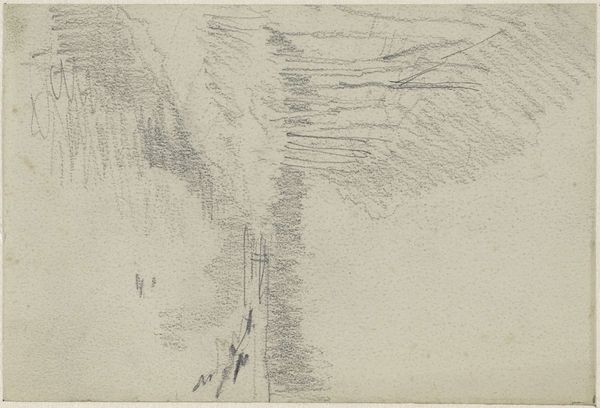
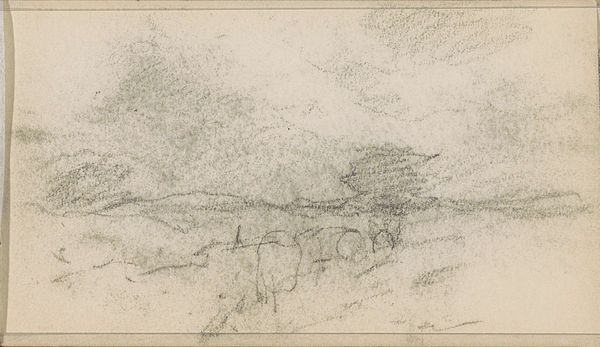
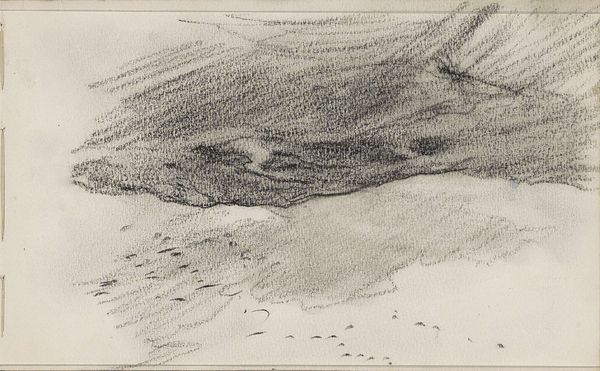
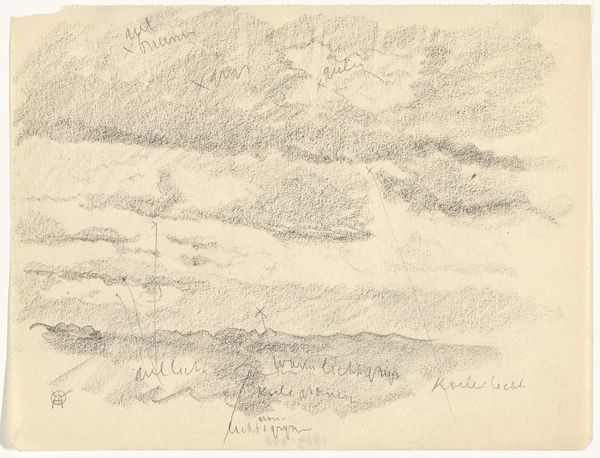
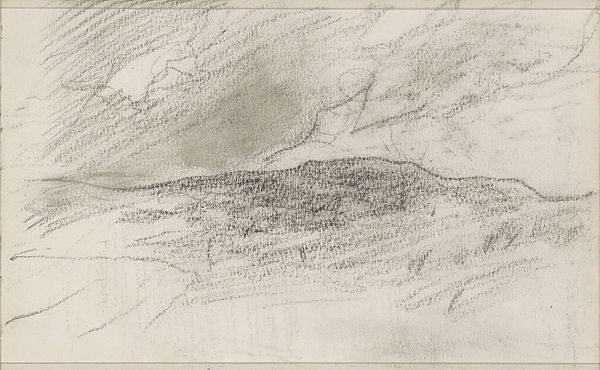
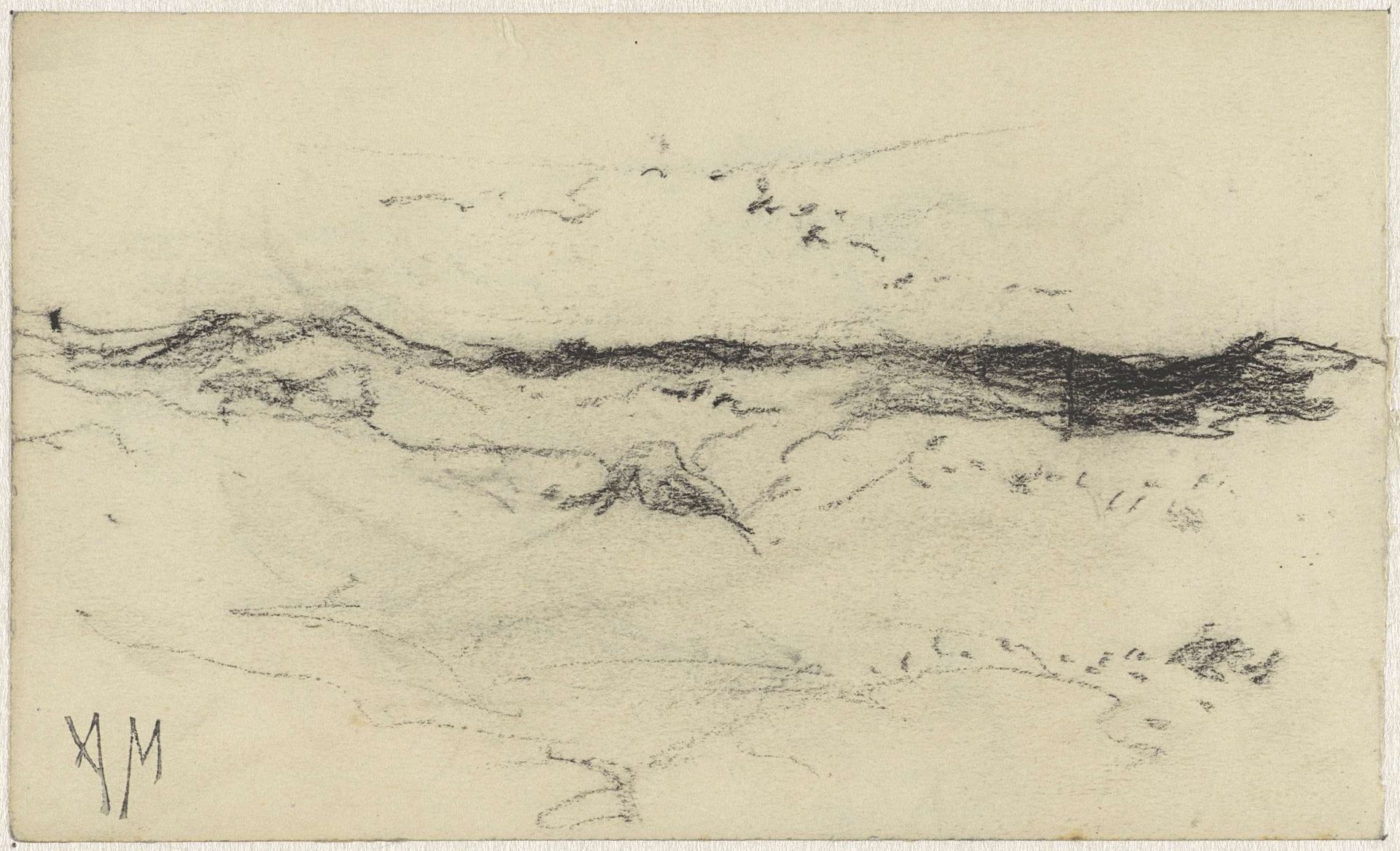
Editor: So this is Anton Mauve’s ‘Landschap,’ created sometime between 1848 and 1888. It's a drawing, employing charcoal and frottage, currently residing at the Rijksmuseum. What strikes me is the rawness of it – the almost brutal application of charcoal. What do you see when you look at it? Curator: Well, let's consider the materials themselves. Charcoal, easily produced, readily available. Frottage, a technique involving rubbing, suggests a direct, almost tactile relationship with the physical world. These choices democratize the landscape, removing the barrier of skilled craftsmanship that often elevated art to a rarified plane. Instead, Mauve invites us to consider the landscape as a resource, something directly experienced and consumed. How does that reading change your understanding of “brutality” that you see here? Editor: That’s a good point, I guess the term brutality comes loaded with judgement. Knowing that Mauve used readily accessible material changes how I view this. The marks feel intentional. The labor seems deliberate. How did it come to Impressionism though? Curator: Indeed. Consider Impressionism itself – a movement concerned with capturing fleeting moments, the effects of light and atmosphere. This drawing, through its materials and method, reflects a broader societal shift towards valuing experience over idealized representation. The landscape becomes less about a picturesque vista and more about the sensory encounter of being *in* it. Do you see echoes of social realities in his style now? Editor: I do. It is less an untouched land of beauty, and more a place where labor happens. The starkness amplifies that. Thanks! I will think about art material consumption a lot more after this. Curator: Wonderful, considering the social context behind the physical reality provides us with a richer understanding. It encourages to investigate beyond conventional aesthetic values and historical viewpoints of art and how those change our cultural mindset.