c. 1855 - 1857
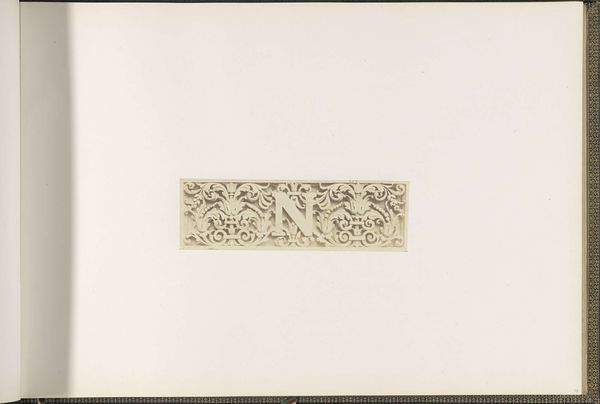
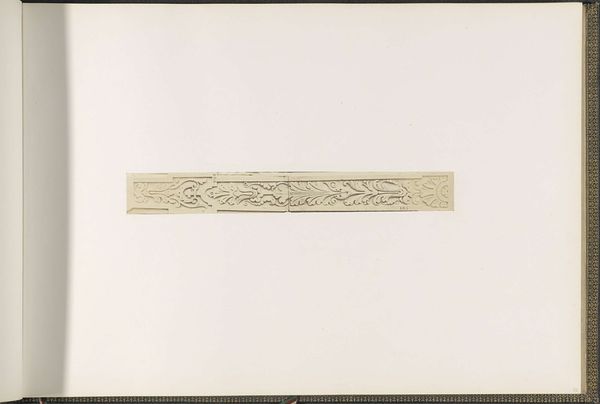
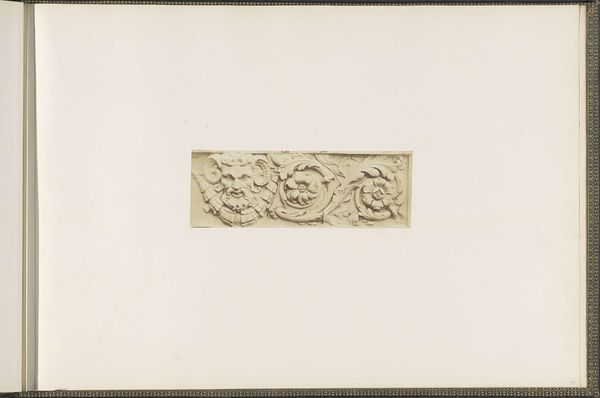
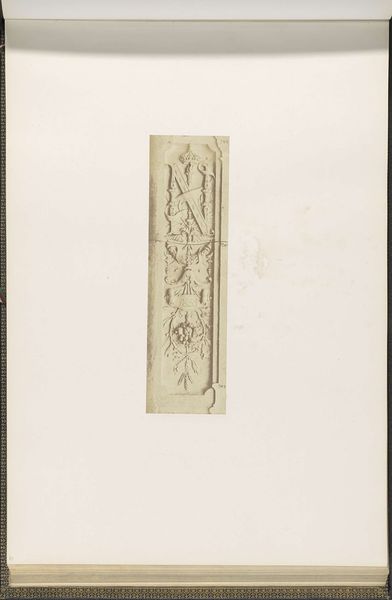
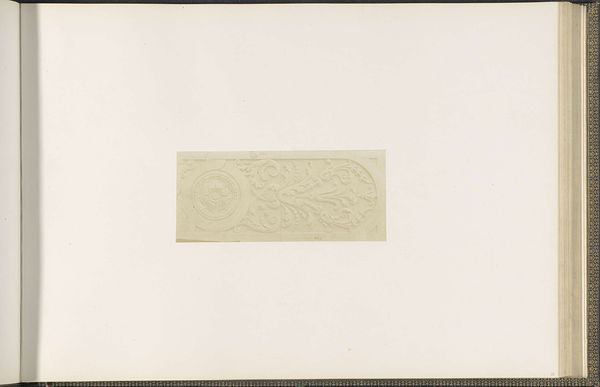
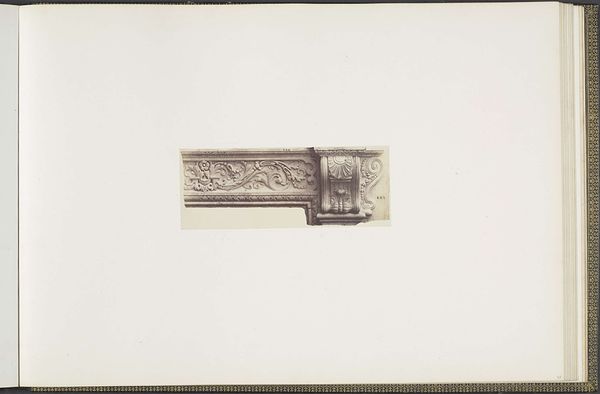
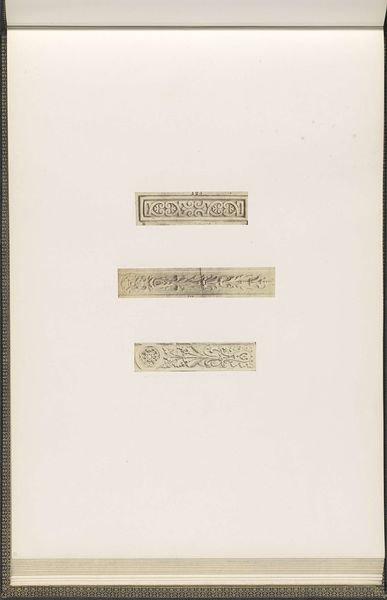
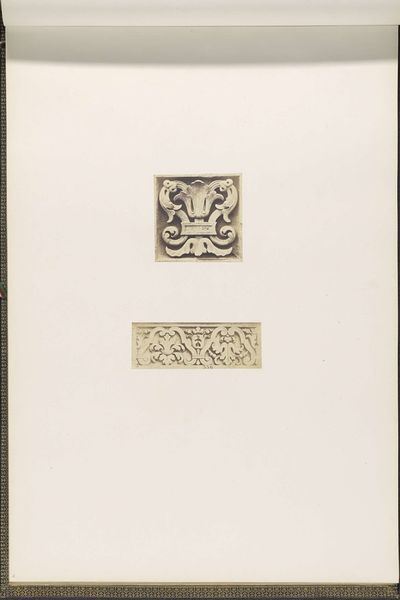
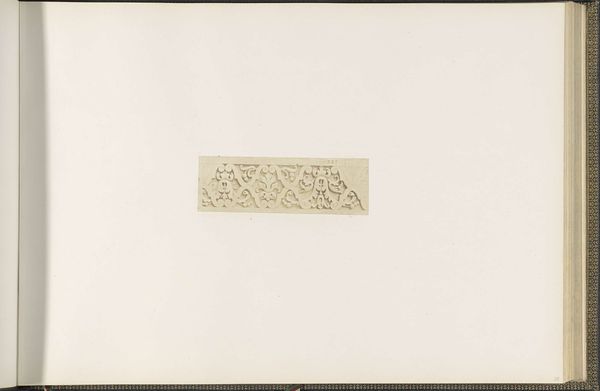
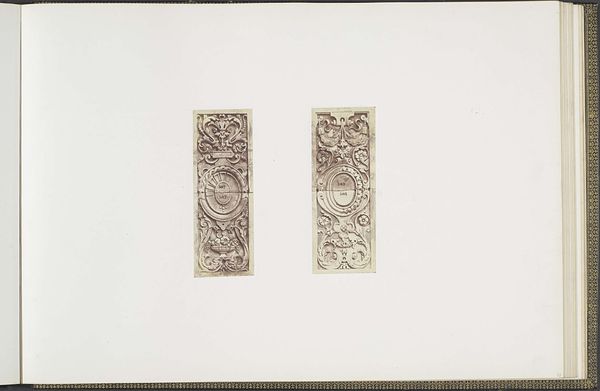
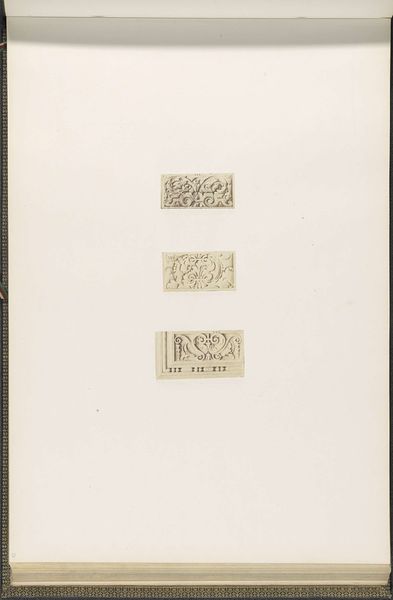
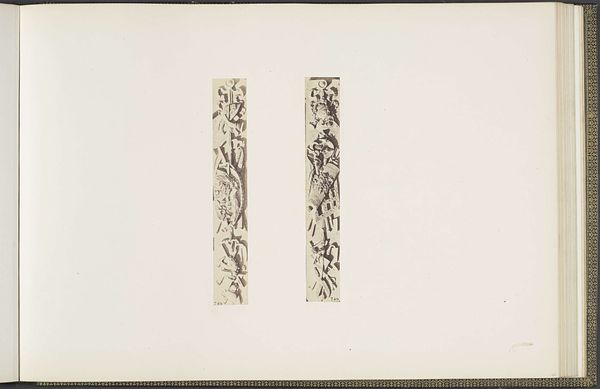
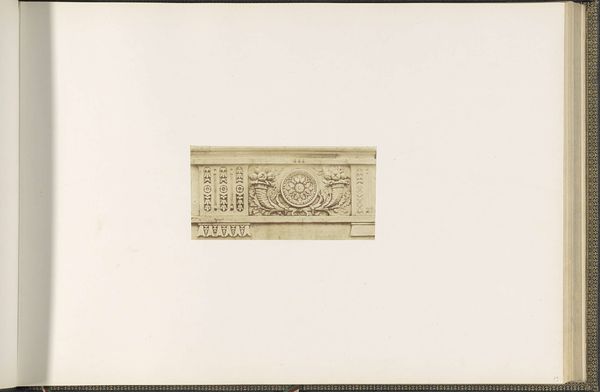
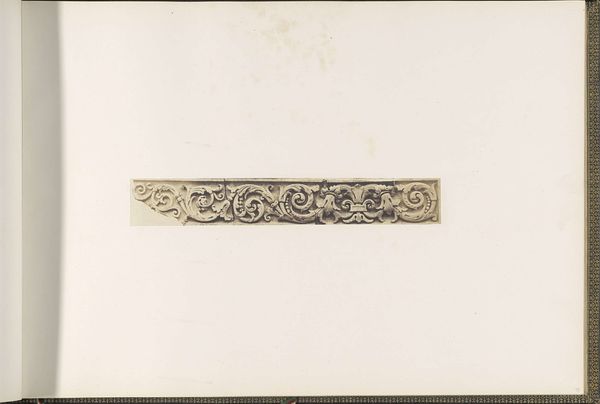
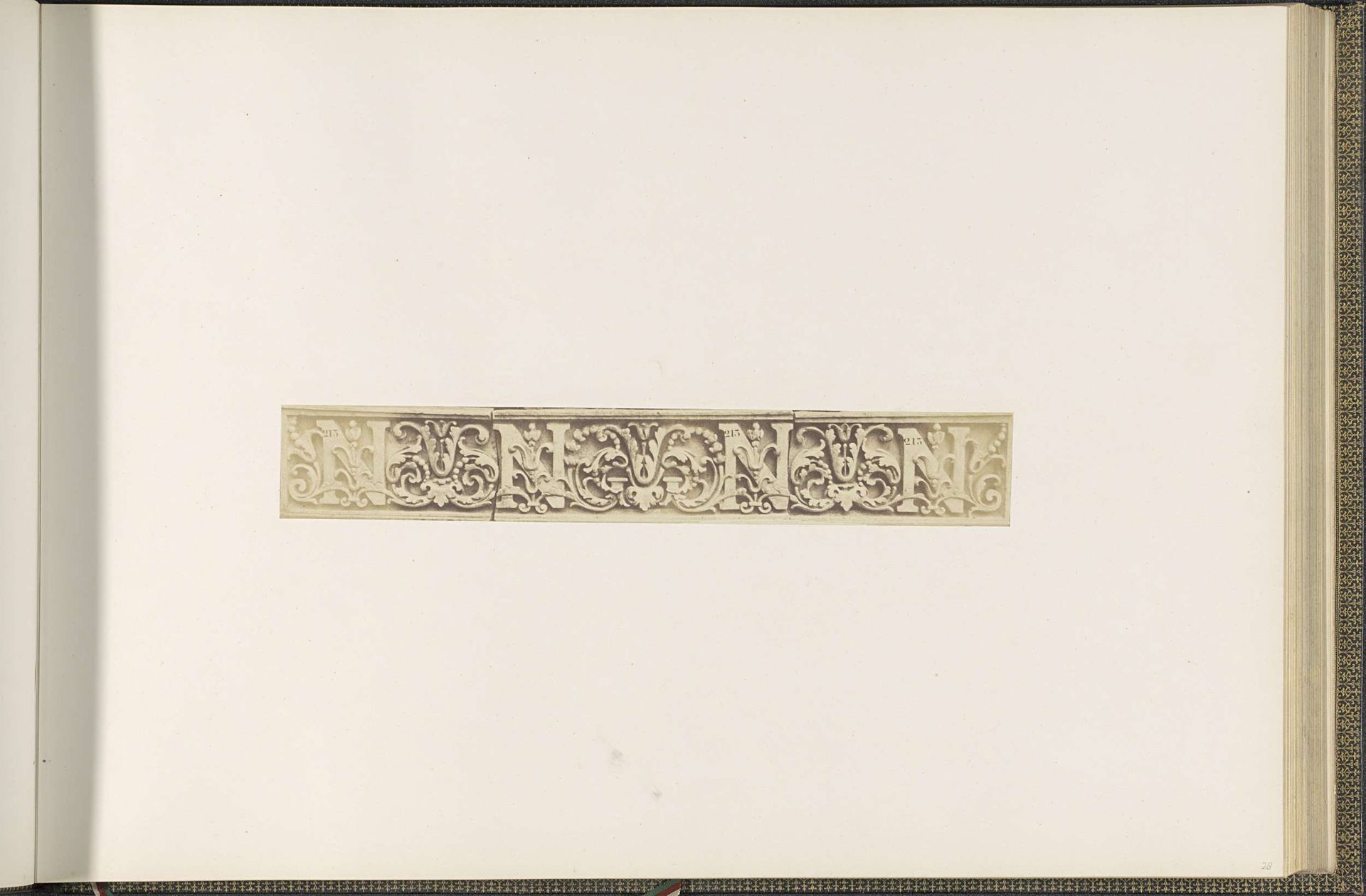
Gipsmodel voor een friesversiering op het Palais du Louvre door Jean-Pierre Hurpin

Edouard Baldus
1813 - 1889Location
RijksmuseumListen to curator's interpretation
Curatorial notes
Editor: So, here we have a photographic print, a "Gipsmodel voor een friesversiering op het Palais du Louvre door Jean-Pierre Hurpin," created around 1855-1857. It's a plaster model for a frieze, intended for the Louvre. There's something so… removed about seeing architecture depicted this way, almost clinical. What stands out to you? Curator: The interesting thing here is to think about what Neoclassicism meant during that period. It wasn’t just an aesthetic preference; it was a declaration. This frieze, designed for the Louvre under Napoleon III, evokes the grandeur of ancient Rome to legitimize imperial power. How does a regime use cultural capital to build its authority? What does this tell us about the politics embedded within aesthetic choices? Editor: So the image itself is almost secondary, it's the intention behind the art being replicated here? Curator: Not quite, the photograph is useful here precisely because of its clinical nature. How can we interpret Baldus' photographic techniques in connection to this Neoclassical architecture? We see a detachment in the medium itself that speaks to power and ideology; what’s included, what's left out and how is that controlled? It’s about creating a very specific narrative, wouldn’t you agree? Editor: Yes, I can definitely see the power dynamics you're pointing out. The choice of Neoclassicism wasn't arbitrary, it was a conscious decision to align with historical empires. Curator: Exactly! It reminds us to question the narratives that architecture and photography, together and separately, construct. Editor: It makes me wonder about how different materials, like plaster and photographs, speak to authority too. It all fits together so powerfully! Curator: Indeed! And considering these power structures, how are women represented or silenced by such dominant architectural and artistic voices? Whose stories are we *not* hearing? Editor: That's something I'll definitely keep in mind. It shifts my focus from just admiring the aesthetics to understanding its political context.