About this artwork
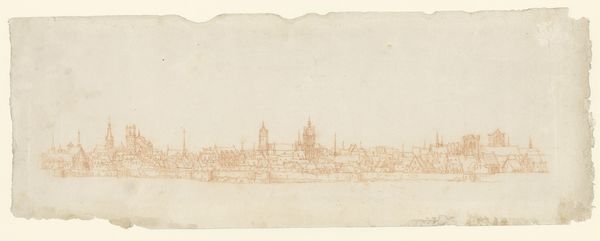
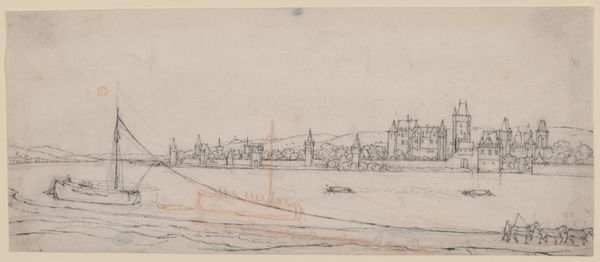
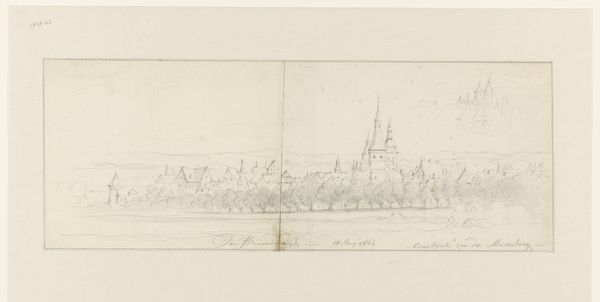
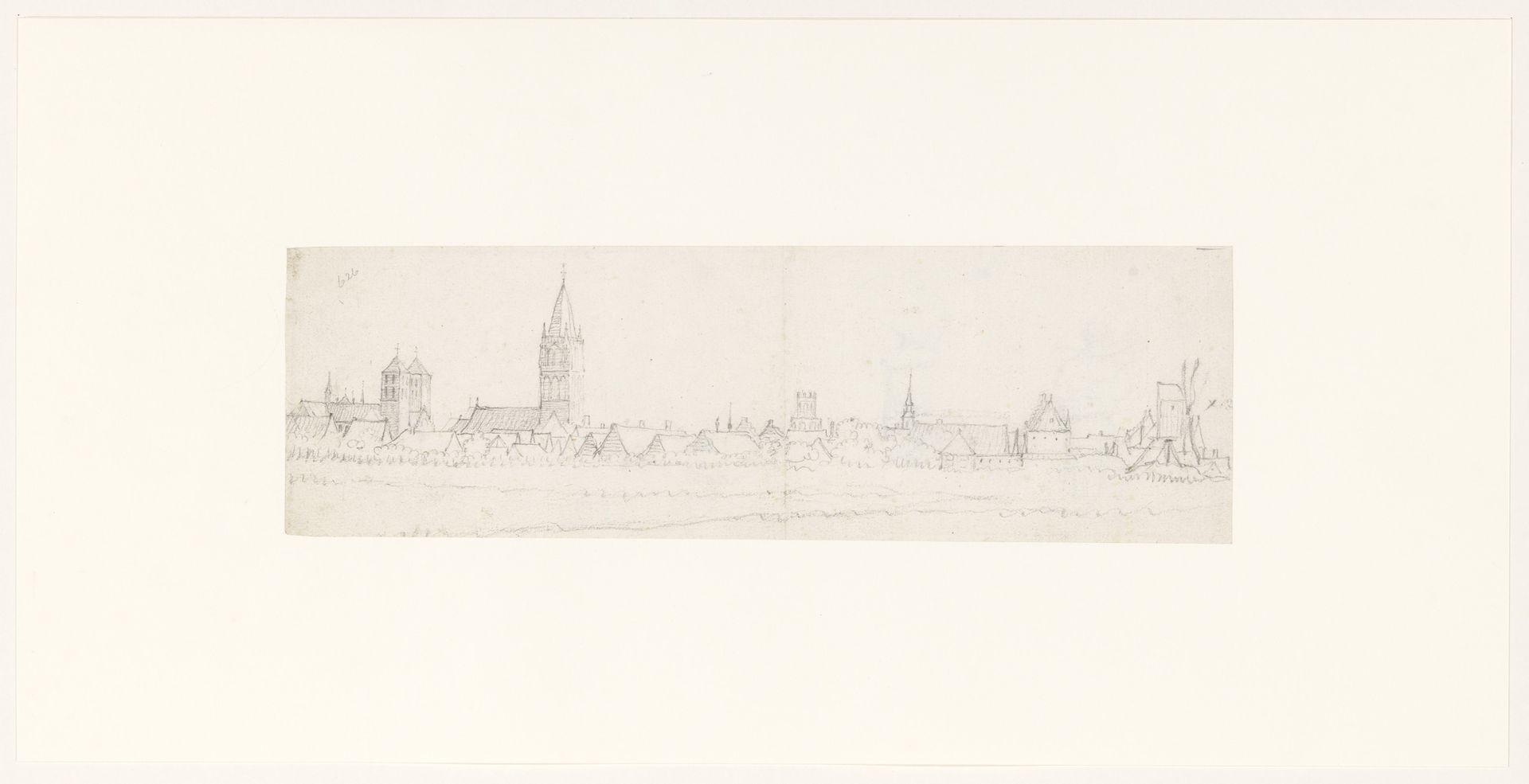
Gerard ter Borch II created this delicate pen and brown ink drawing of ‘View of Münster from the Southeast.’ Born in the Netherlands, ter Borch was a painter of genre scenes, a style of painting that depicts scenes from everyday life. This landscape of Münster, Germany offers a glimpse into the artist's world. It was a time of social and political change that influenced the themes and styles of art. Ter Borch, as part of the Dutch Golden Age, captured the rise of a mercantile class and their values. The cityscape is rendered with an incredibly light touch. The faintness can evoke a sense of distance and the passage of time. It invites us to reflect on the transient nature of human existence and our connection to places and histories. The artwork reflects societal values related to trade, prosperity, and civic pride. It also provides insight into the emotional and personal connection between the artist and his subjects.
Gezicht op Münster vanuit het zuidoosten
c. 1645 - 1646

Gerard ter (II) Borch
1617 - 1681Location
RijksmuseumArtwork details
- Medium
- drawing, pencil
- Dimensions
- height 114 mm, width 364 mm
- Location
- Rijksmuseum
- Copyright
- Rijks Museum: Open Domain
Tags
Comments
Share your thoughts
About this artwork
Gerard ter Borch II created this delicate pen and brown ink drawing of ‘View of Münster from the Southeast.’ Born in the Netherlands, ter Borch was a painter of genre scenes, a style of painting that depicts scenes from everyday life. This landscape of Münster, Germany offers a glimpse into the artist's world. It was a time of social and political change that influenced the themes and styles of art. Ter Borch, as part of the Dutch Golden Age, captured the rise of a mercantile class and their values. The cityscape is rendered with an incredibly light touch. The faintness can evoke a sense of distance and the passage of time. It invites us to reflect on the transient nature of human existence and our connection to places and histories. The artwork reflects societal values related to trade, prosperity, and civic pride. It also provides insight into the emotional and personal connection between the artist and his subjects.
Comments
Share your thoughts