drawing, pencil
#
drawing
#
landscape
#
geometric
#
pencil
#
cityscape
Copyright: Rijks Museum: Open Domain
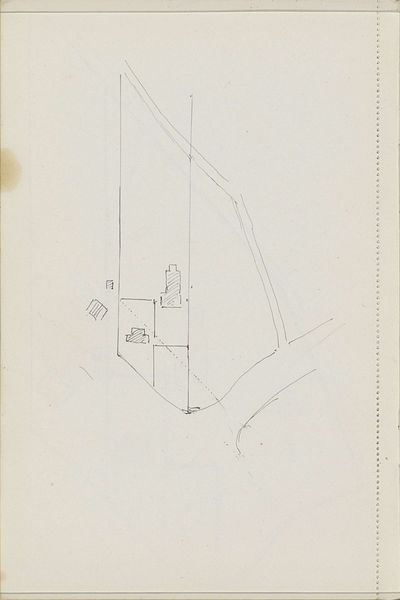
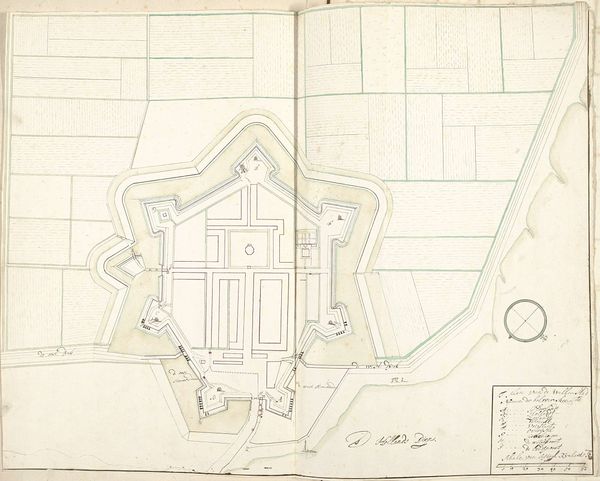
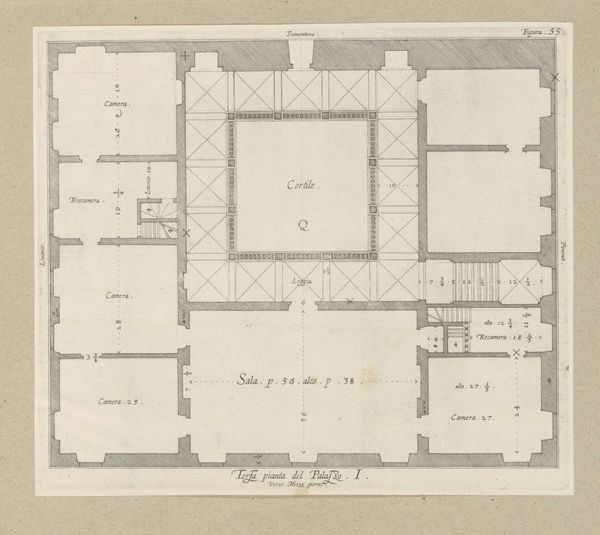
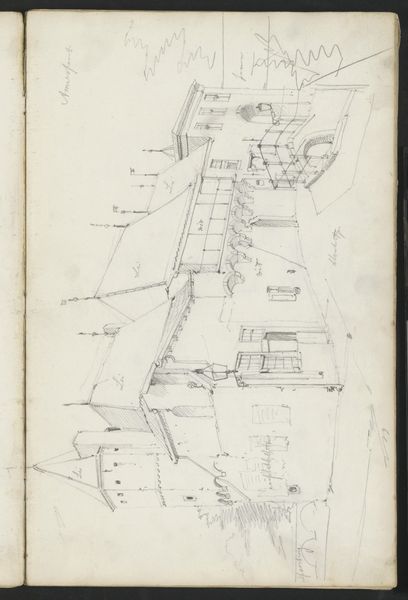
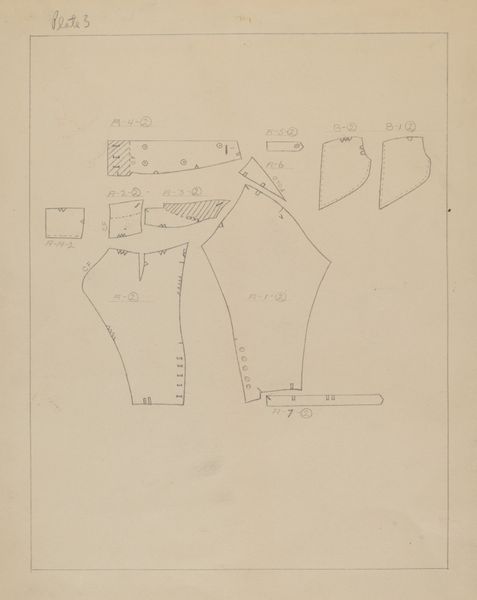
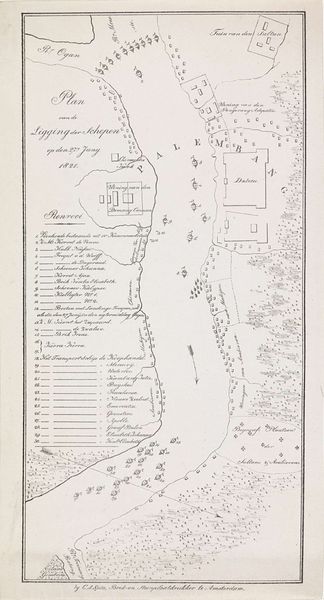
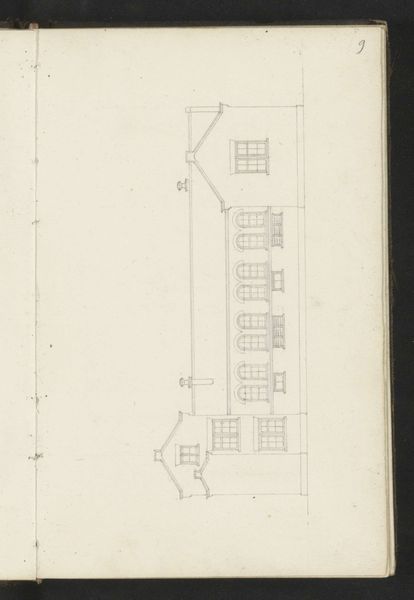
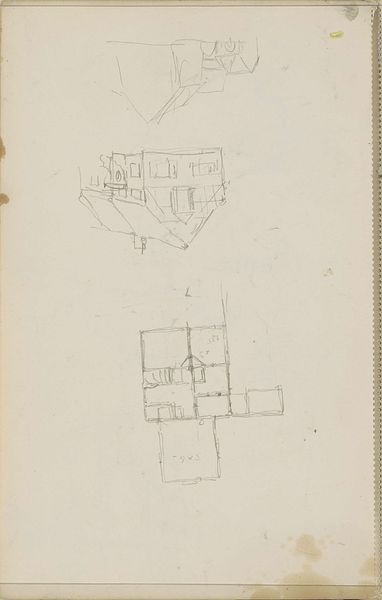
Curator: Here we have "Plattegrond," a cityscape drawing rendered in pencil by Cornelis Vreedenburgh, dating from somewhere between 1890 and 1946. Editor: Ooh, this has a wonderfully eerie simplicity! It reminds me of a map you'd find tucked away in an old attic, leading to some forgotten secret. Very geometric, almost sterile, yet there's something quietly compelling. Curator: It certainly evokes that feeling of being a record, doesn't it? Vreedenburgh was known for his cityscapes. It offers a fascinating glimpse into urban planning of the period and it’s intriguing how the style strips back the typical romantic portrayal. Editor: True, it’s incredibly direct. I imagine Vreedenburgh, with his pencil, meticulously charting this space. But the soft pencil lines also betray a touch of… melancholy? Almost as if he is lamenting what will be lost in its place. Curator: That reading opens a further understanding of how modern spaces impacted the artistic sphere, since traditional artistic styles seemed irrelevant. The drawing showcases Vreedenburgh's technical skills but it may also critique the homogenizing forces shaping cities at the turn of the century. Editor: Exactly! Art becomes a silent protest, a way of reclaiming individual perspective in the face of encroaching conformity. It feels like an emotional resistance wrapped up in careful strokes. This geometrical and architectural objectivity may give him the control of something increasingly difficult to master. Curator: Or perhaps it’s simply the opposite, capturing the emergence of this new way of looking at the city, not charged but intrigued with the novel appearance of geometric shapes, now a core theme. We shouldn't rush to put a subjective judgement into Vreedenburgh's possible intention, nor completely strip him from personal reactions. Editor: Fair point! Maybe I'm just projecting my own romantic ideas onto a deliberately neutral work. It's like the artwork becomes a mirror reflecting your inner feelings. But it's the ambiguity and what makes it exciting! I see that now. Curator: Well, these discussions help keep the experience of visiting our museum exciting. They make room for us to better consider how art reflects the evolution of ideas and values throughout history. Editor: Right, seeing a city block morph into an open playground of possibility – maybe that's what Vreedenburgh was after all along! Thank you.
Comments
No comments
Be the first to comment and join the conversation on the ultimate creative platform.
 Collect
 React
React Comment
More like this