About this artwork
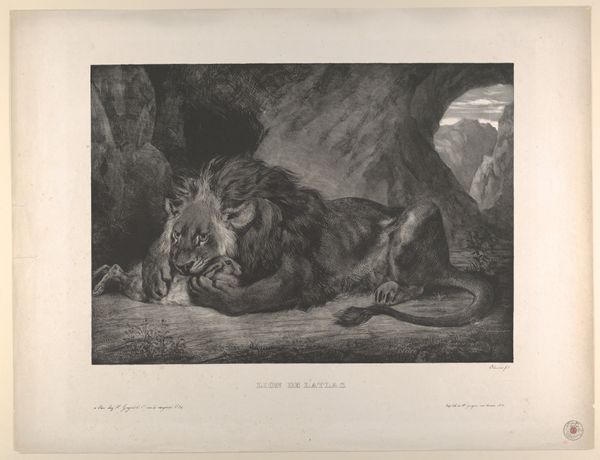
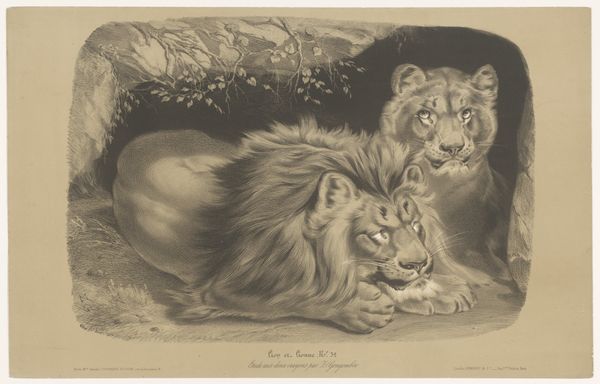
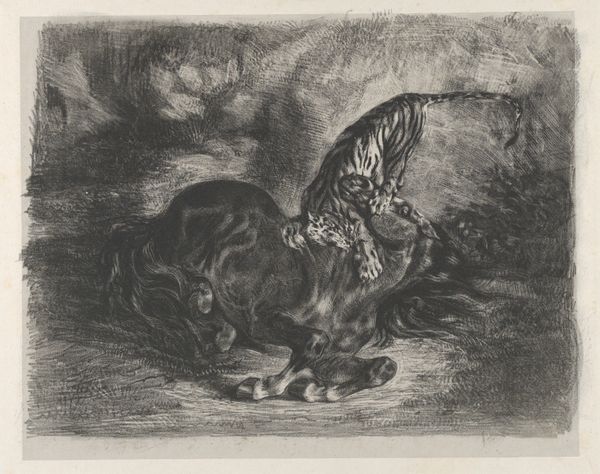
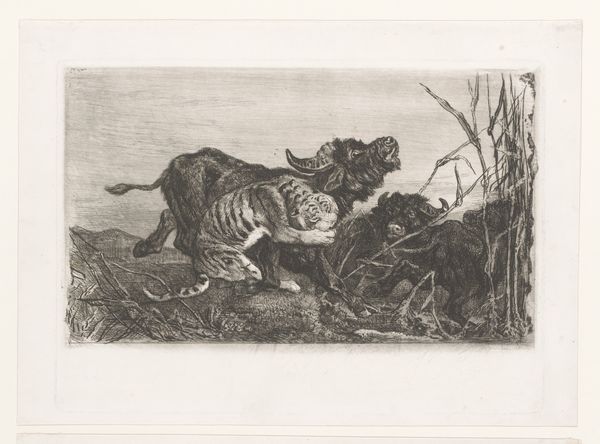
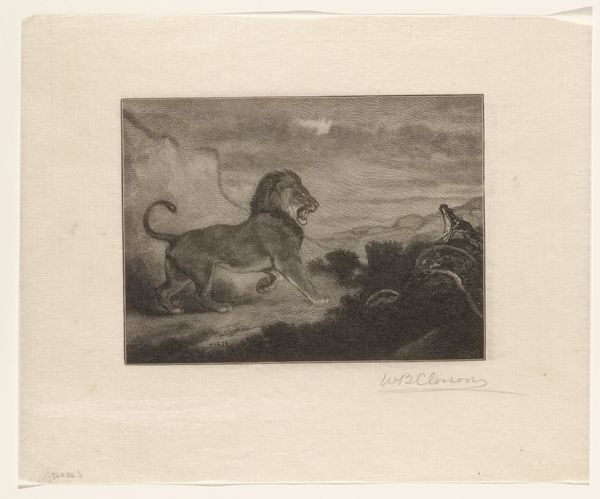
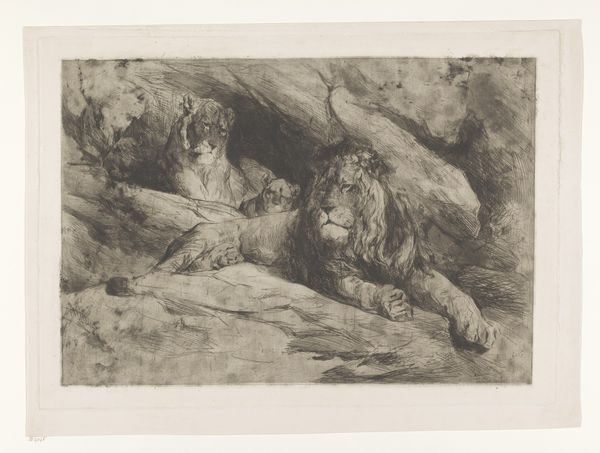
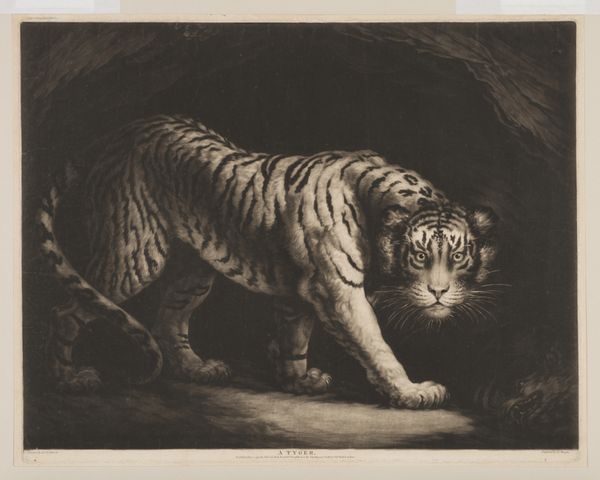
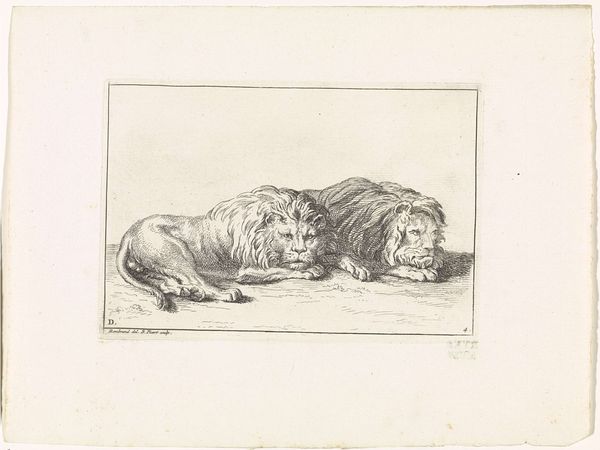
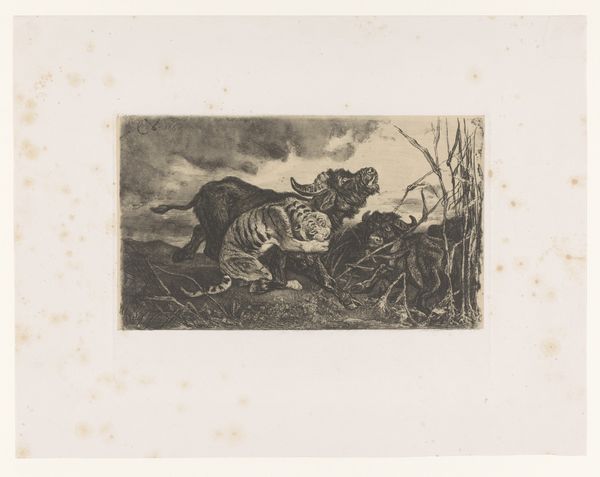
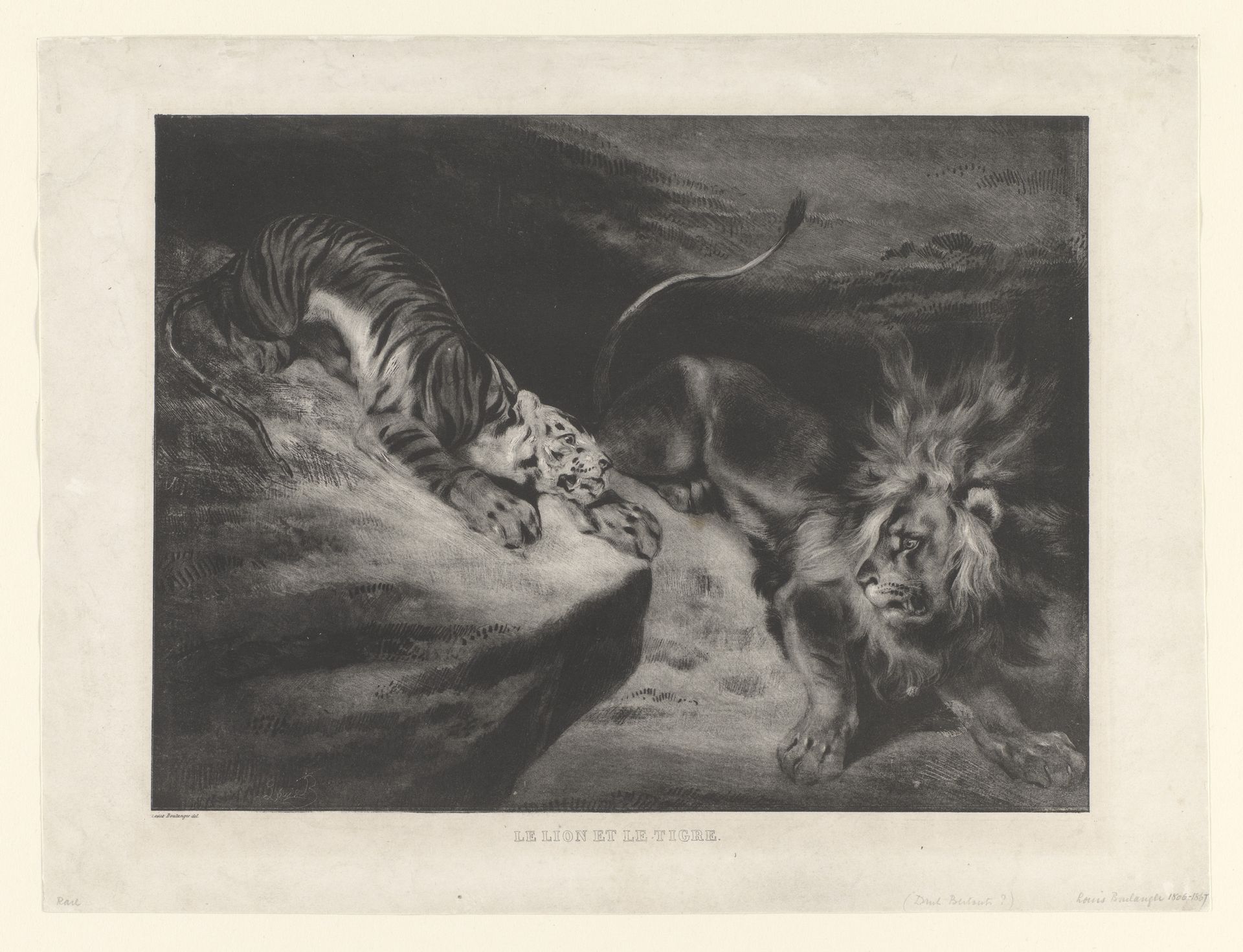
Louis Boulanger created this print, ‘Lion and Tiger’ using lithography, a process that democratized image-making in the 19th century. Lithography relies on the resistance between grease and water. The artist would have drawn the image with a greasy crayon onto a flat slab of limestone. The stone is then treated so that ink adheres only to the drawn areas, allowing the image to be printed. The deep blacks and subtle gradations of tone in this print show the artist's mastery of the technique. The velvety texture creates a dramatic contrast between light and shadow, enhancing the intensity of the scene. Lithography allowed for the relatively quick reproduction of images, making art more accessible to a wider audience, reflecting the changing social and economic landscape of the time. Considering the materials and processes used, along with its cultural context, allows us to appreciate the full meaning of this work, and challenges traditional distinctions between fine art and craft.

Artwork details
- Medium
- print, engraving
- Dimensions
- height 284 mm, width 379 mm
- Location
- Rijksmuseum
- Copyright
- Rijks Museum: Open Domain
Tags
animal
landscape
figuration
romanticism
line
engraving
Comments
No comments
About this artwork
Louis Boulanger created this print, ‘Lion and Tiger’ using lithography, a process that democratized image-making in the 19th century. Lithography relies on the resistance between grease and water. The artist would have drawn the image with a greasy crayon onto a flat slab of limestone. The stone is then treated so that ink adheres only to the drawn areas, allowing the image to be printed. The deep blacks and subtle gradations of tone in this print show the artist's mastery of the technique. The velvety texture creates a dramatic contrast between light and shadow, enhancing the intensity of the scene. Lithography allowed for the relatively quick reproduction of images, making art more accessible to a wider audience, reflecting the changing social and economic landscape of the time. Considering the materials and processes used, along with its cultural context, allows us to appreciate the full meaning of this work, and challenges traditional distinctions between fine art and craft.
Comments
No comments