1758
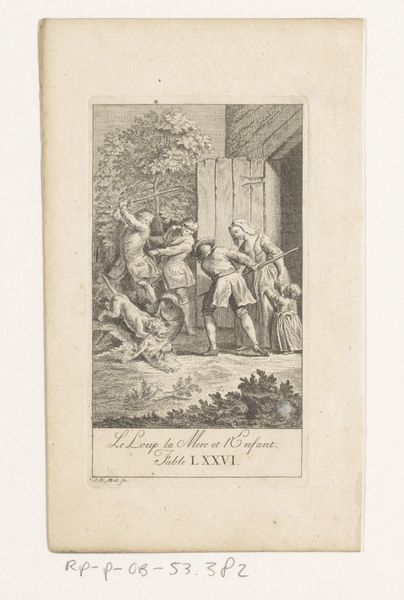
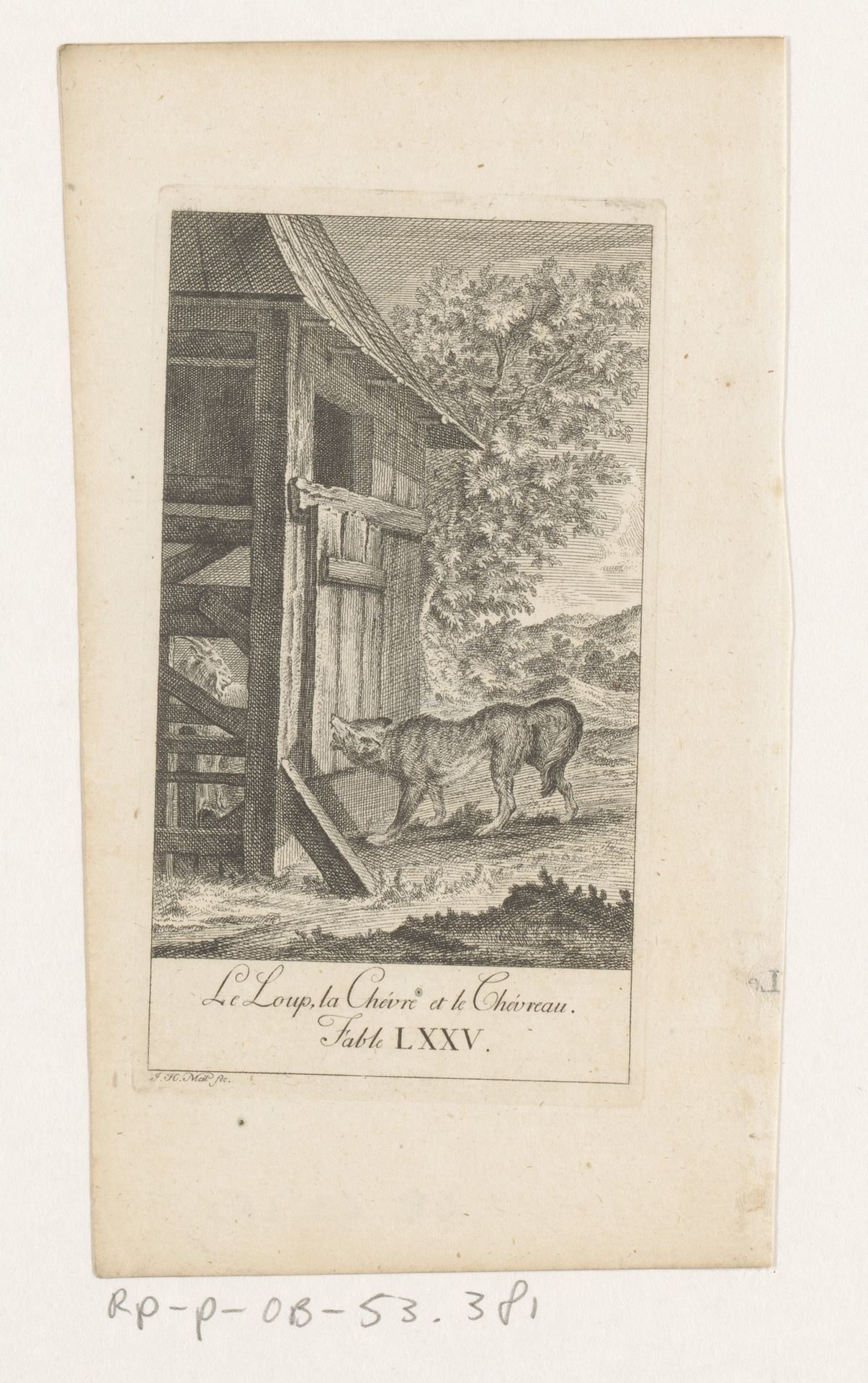
Fabel van de wolf, de geit en het geitenjong

Listen to curator's interpretation
Curatorial notes
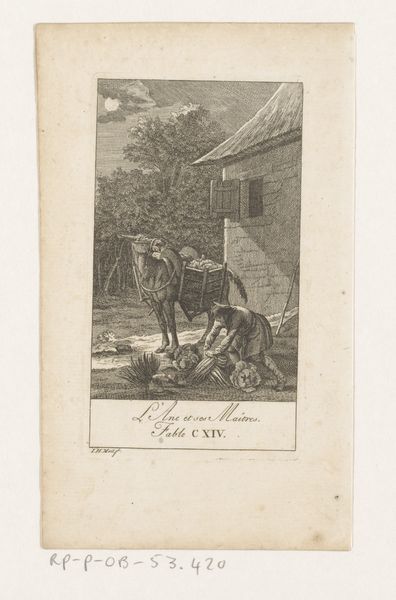
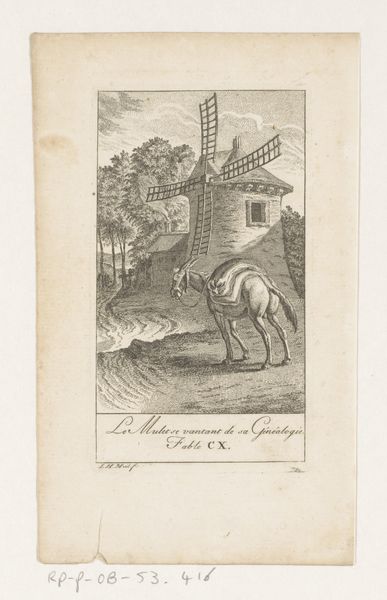
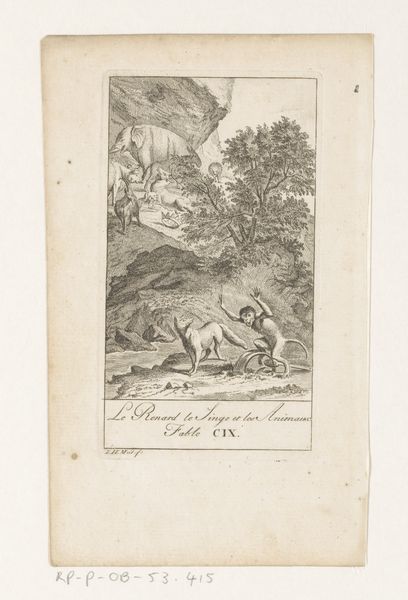
Johann Heinrich Meil the elder made this fable print, depicting a wolf and a goat, sometime between 1760 and 1820. Meil was working in Germany during the Enlightenment. The fable, a popular genre at the time, used animals to teach moral lessons, often commenting on social structures. Here, the wolf, a traditional symbol of danger and deception, stands outside the goat's shed. The scene is simple, but the tension is palpable. What's not shown is just as important: what will the wolf do? Will the goat be able to protect her kid? Prints like this were part of a growing public sphere, where ideas about morality and society were debated. Analyzing the image through the lens of social history allows us to understand the cultural values and anxieties of 18th-century Europe. Researching the history of fables, printmaking, and the Enlightenment can offer further insights into this artwork's meaning and relevance.