c. 1900
Figure


Listen to curator's interpretation
Curatorial notes
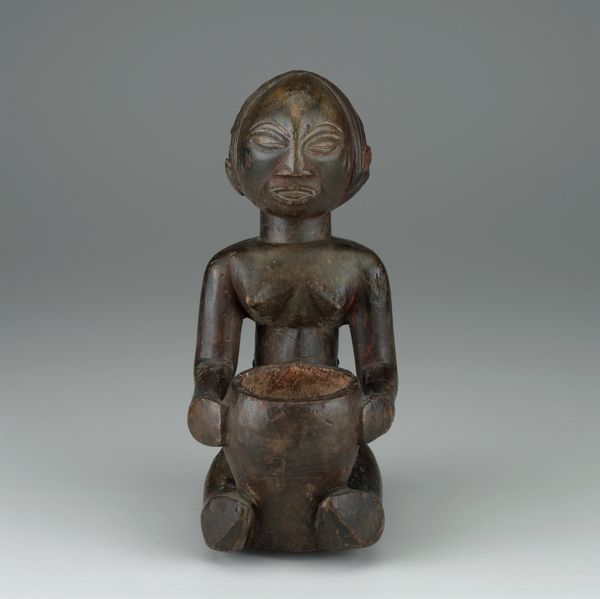
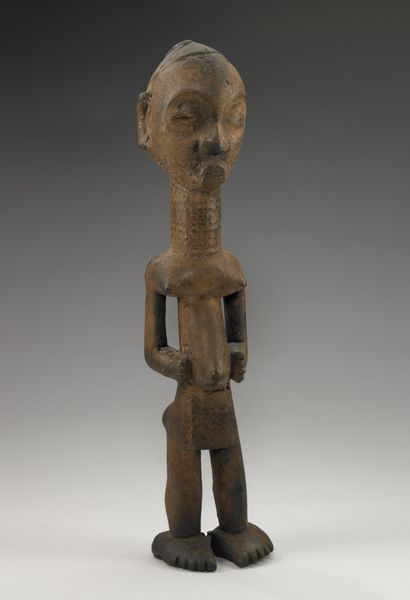
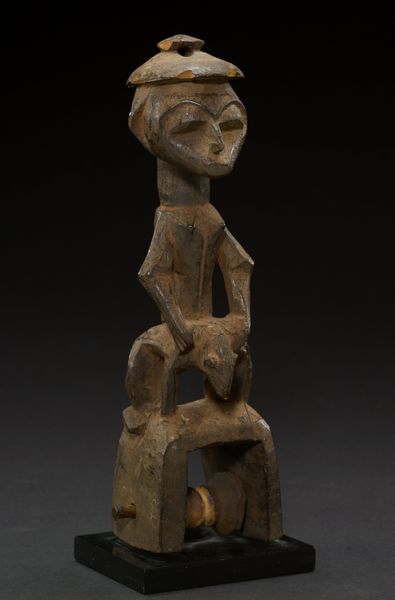
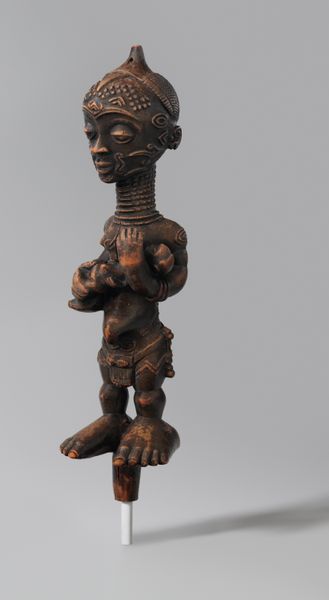
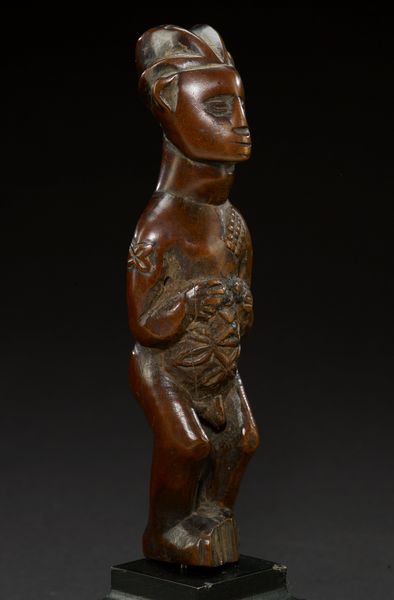
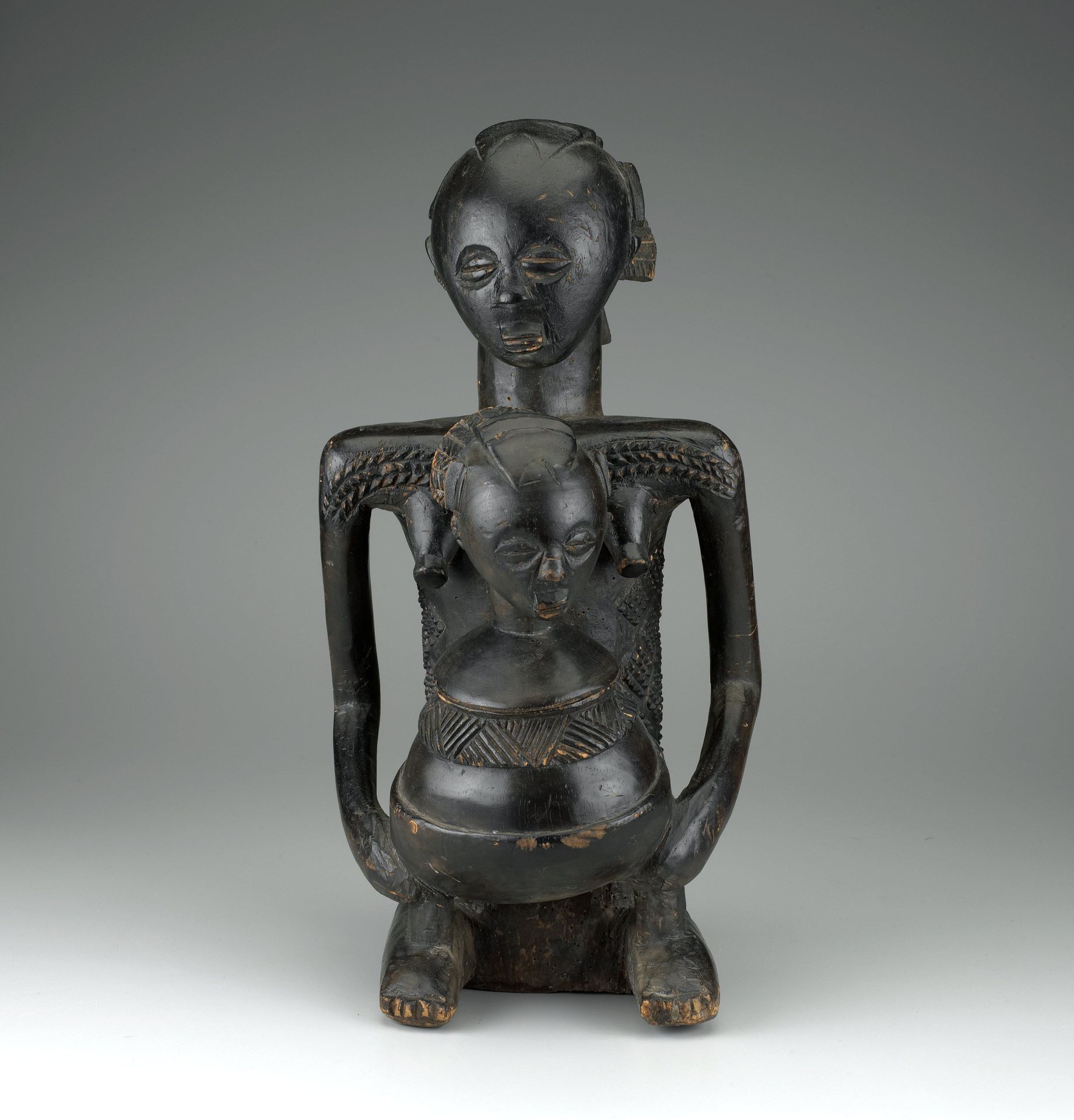
This Luba figure presents a seated woman holding a vessel, a child nestled behind her neck. The vessel, prominently displayed, transcends its utilitarian purpose, becoming a potent symbol. Consider the ancient Greek amphora, vessels used to transport wine, oil, and grain, which bore elaborate painted scenes from myth and daily life. Like those amphorae, this vessel is not merely a container; it is a carrier of meaning, a repository of cultural memory. The child, clinging to the mother, invokes the powerful archetype of maternal care. This primal bond echoes through the ages, appearing in countless depictions of the Madonna and Child, or Isis cradling Horus. The emotional resonance of this connection speaks to a deep, subconscious longing for nurture and protection, a universal experience that transcends cultural boundaries. The vessel held by the figure and the child both signify a cyclical, non-linear progression of cultural symbols, resurfacing, evolving, and adopting new meanings across different historical contexts.