Possibly 1786 - 1825
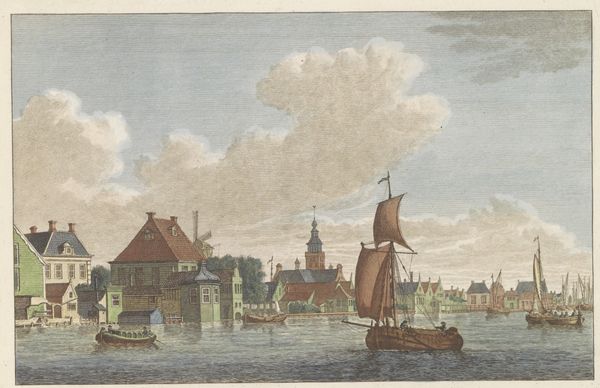
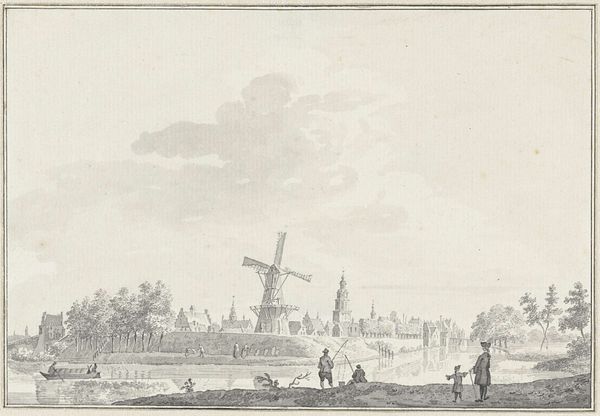
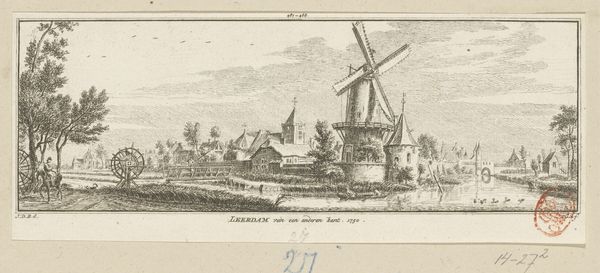
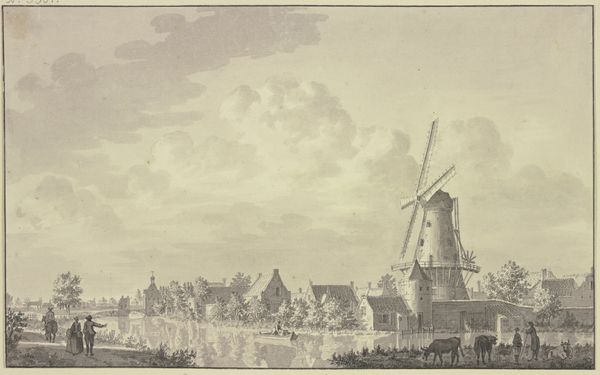
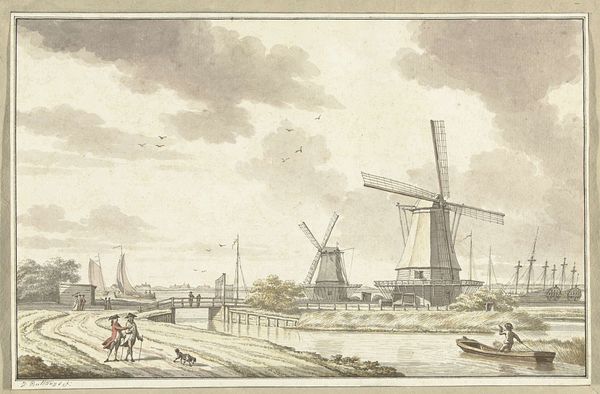
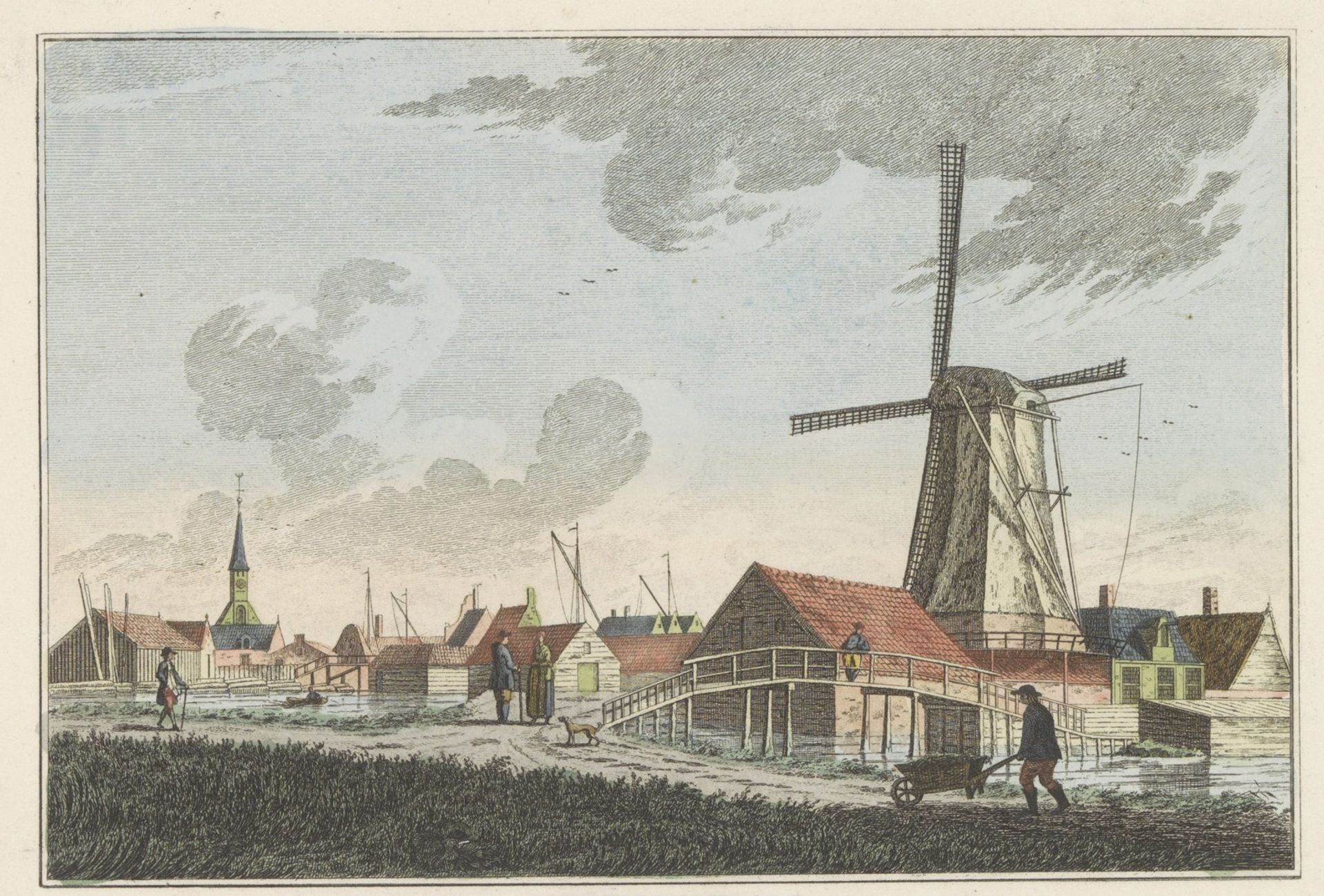
Nieuwendam, ca. 1790

Carel Frederik (I) Bendorp
1736 - 1814Location
RijksmuseumListen to curator's interpretation
Curatorial notes
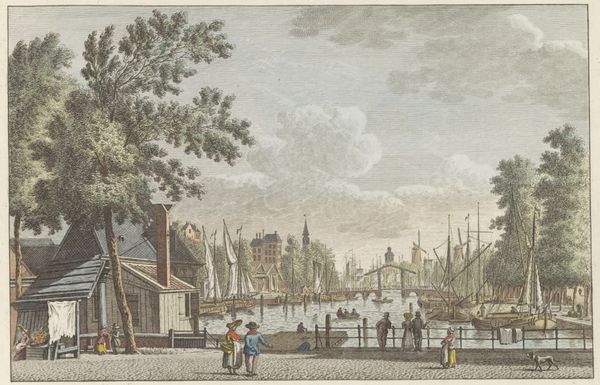
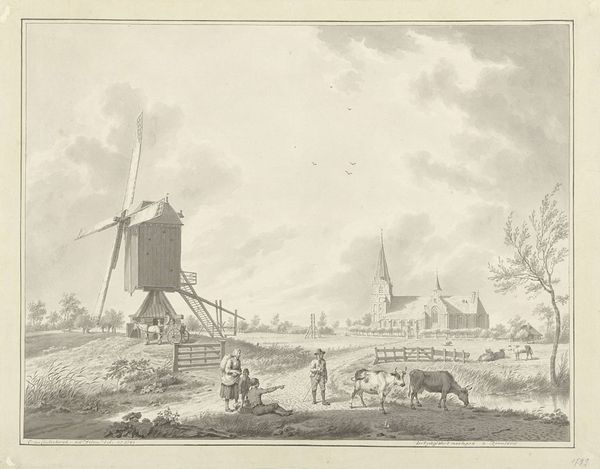
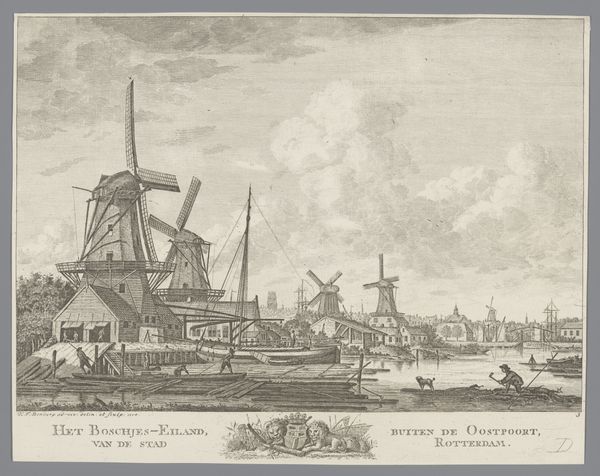
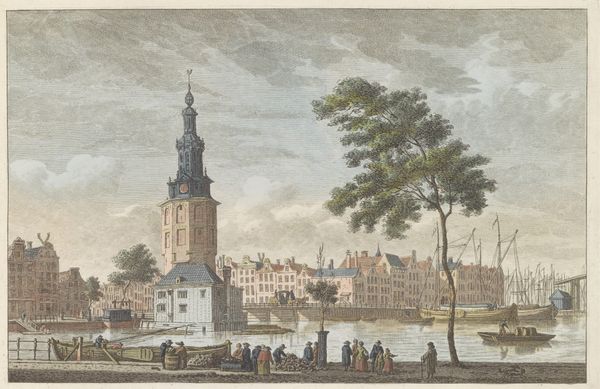
Carel Frederik Bendorp created this color etching of Nieuwendam around 1790. During this period, the Dutch Republic was in decline, marked by political instability and economic stagnation; a stark contrast to the earlier Golden Age. In this seemingly tranquil waterscape, we see how the land is intimately tied to community and identity, and how this relationship is gendered. Men are actively engaged in labor and leisurely strolls while women are relegated to the domestic sphere, or are simply unnamed. The landscape itself is a cultural construct, a testament to human intervention and control over nature. Windmills, like the one depicted here, were crucial for land reclamation and industry, symbolizing Dutch ingenuity. But they are also phallic symbols, tools of male dominance over the land. What stories remain untold about the individuals who shaped and lived in Nieuwendam? How might their experiences challenge our understanding of Dutch identity and progress?