About this artwork
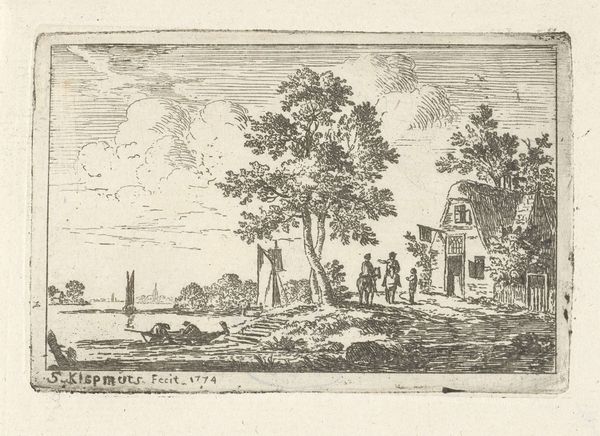
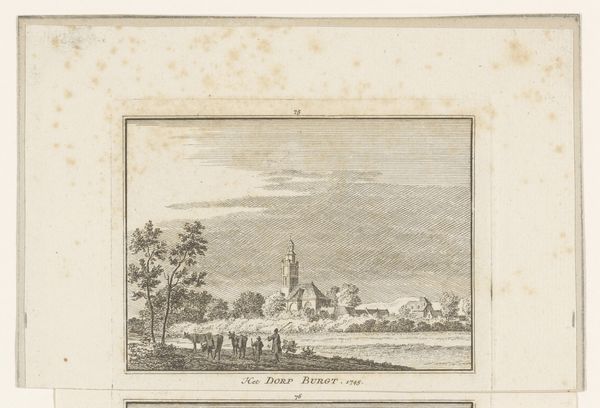
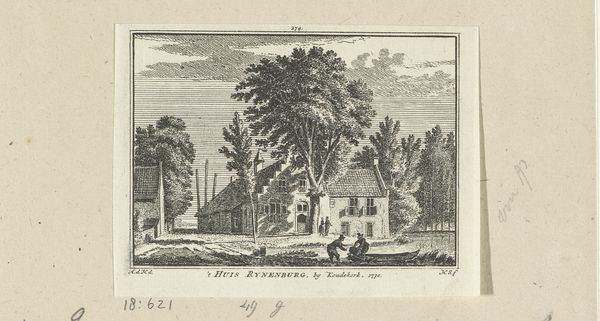
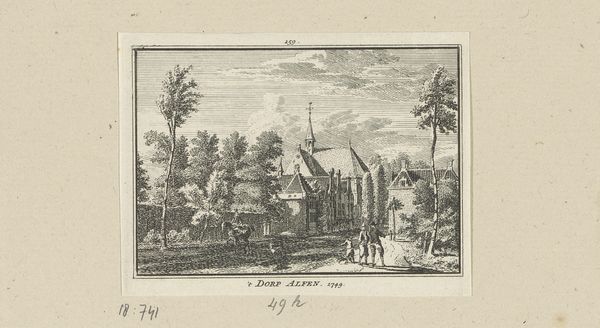
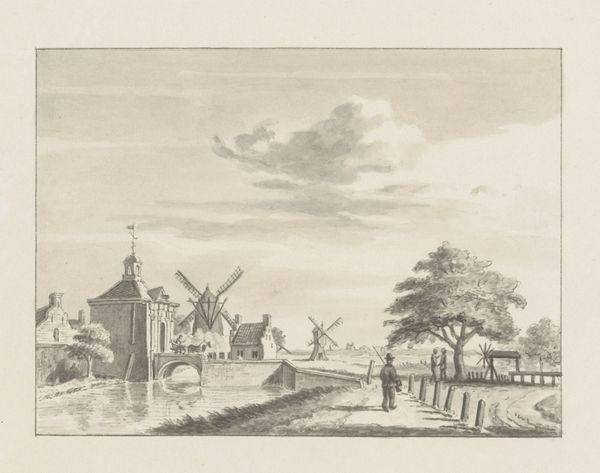
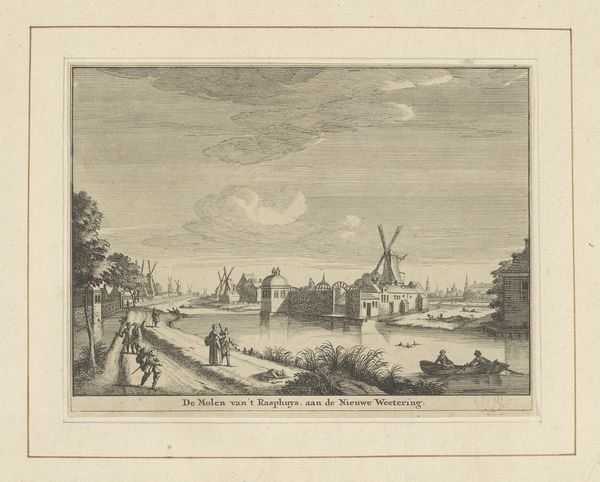
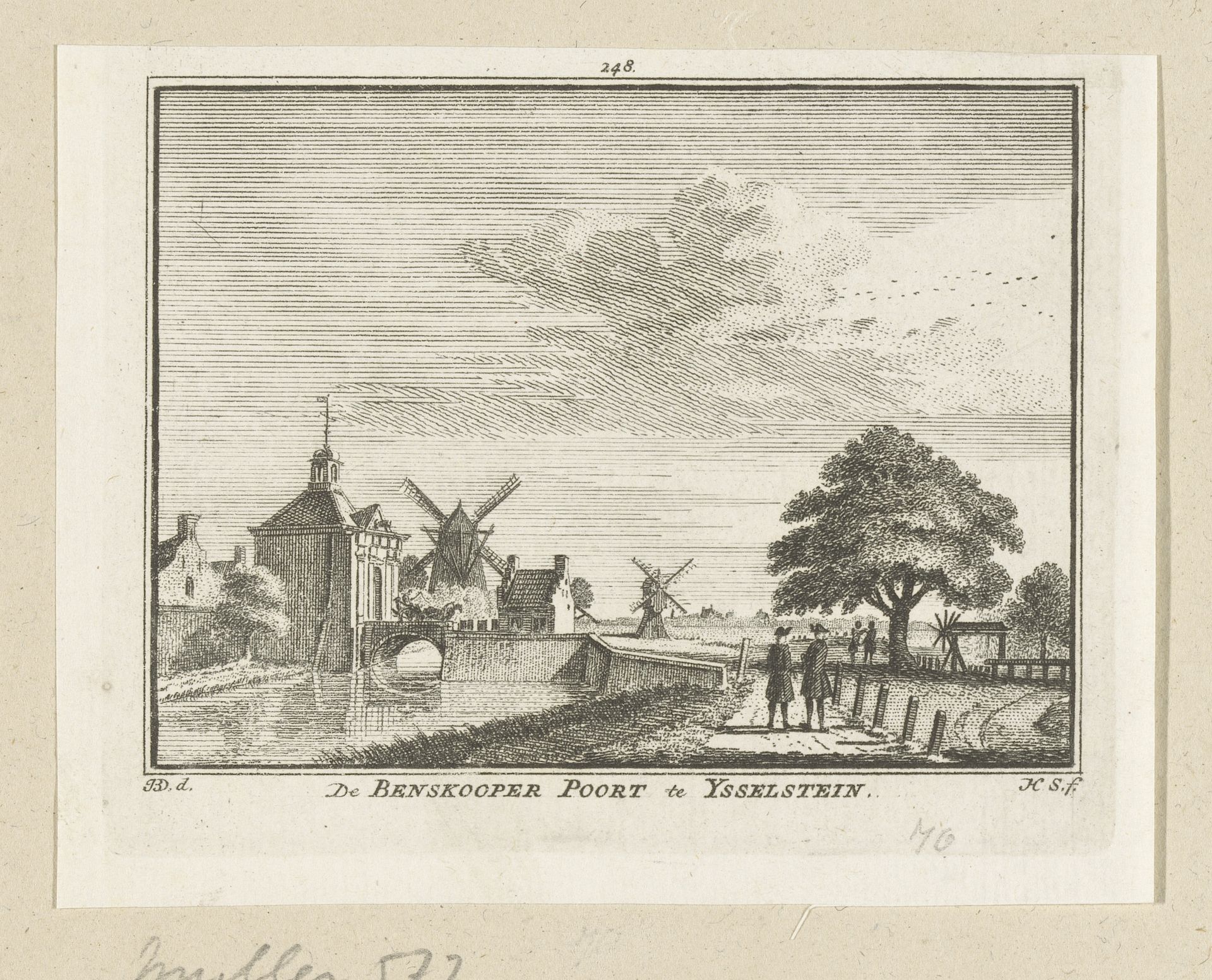
Hendrik Spilman created this print of the Benschopperpoort at IJsselstein using etching techniques. The composition is defined by a horizon line that divides the scene roughly into two halves. Above, the sky is filled with delicate etched lines that suggest movement. Below, there's a carefully arranged landscape featuring architectural elements, windmills, and figures. Spilman masterfully uses line to create depth and texture. The repetition of vertical lines in the buildings and windmills contrasts with the horizontal strokes suggesting water and sky. This creates a structured yet dynamic visual experience. The figures in the foreground are rendered with fewer lines, suggesting their relative importance in the broader landscape. The print uses the semiotic system of the time, evoking the virtues of Dutch landscape and architecture, reflecting the cultural values of order and prosperity. This careful construction challenges us to consider how seemingly simple scenes communicate complex social meanings.
Gezicht op de Benschopperpoort te IJsselstein
1750 - 1792

Hendrik Spilman
1721 - 1784Location
RijksmuseumArtwork details
- Medium
- print, etching, engraving, architecture
- Dimensions
- height 86 mm, width 108 mm
- Location
- Rijksmuseum
- Copyright
- Rijks Museum: Open Domain
Tags
Comments
Share your thoughts
About this artwork
Hendrik Spilman created this print of the Benschopperpoort at IJsselstein using etching techniques. The composition is defined by a horizon line that divides the scene roughly into two halves. Above, the sky is filled with delicate etched lines that suggest movement. Below, there's a carefully arranged landscape featuring architectural elements, windmills, and figures. Spilman masterfully uses line to create depth and texture. The repetition of vertical lines in the buildings and windmills contrasts with the horizontal strokes suggesting water and sky. This creates a structured yet dynamic visual experience. The figures in the foreground are rendered with fewer lines, suggesting their relative importance in the broader landscape. The print uses the semiotic system of the time, evoking the virtues of Dutch landscape and architecture, reflecting the cultural values of order and prosperity. This careful construction challenges us to consider how seemingly simple scenes communicate complex social meanings.
Comments
Share your thoughts