About this artwork
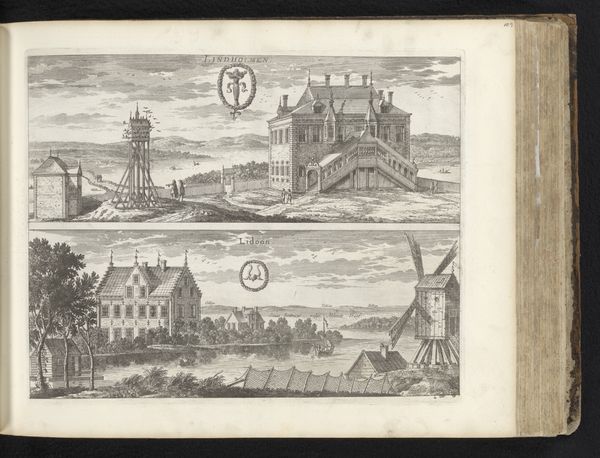
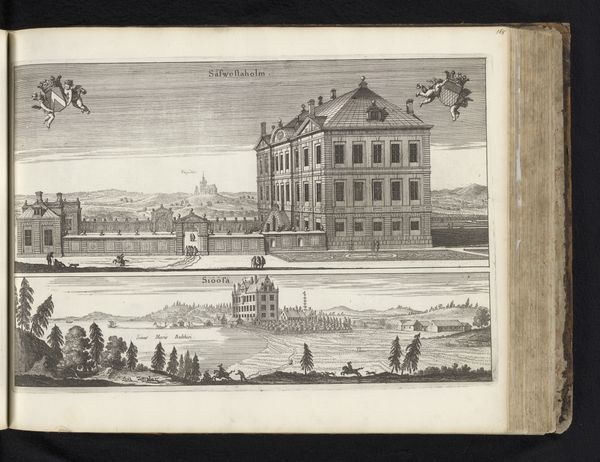
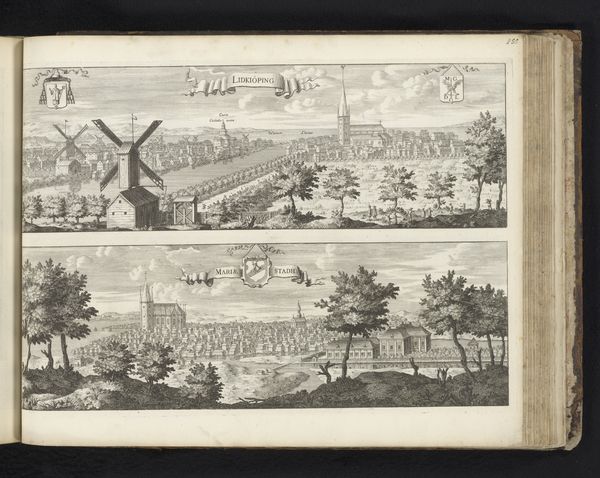
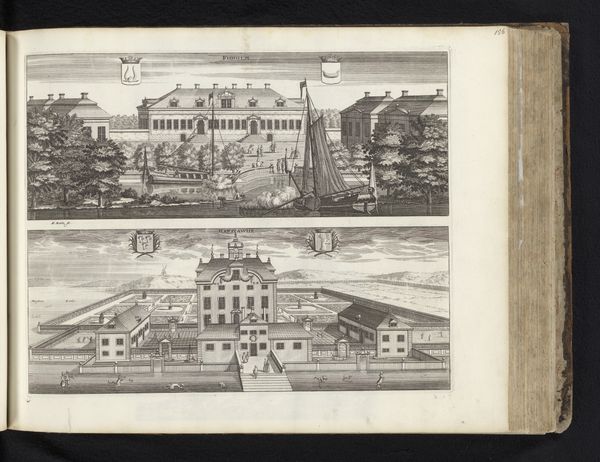
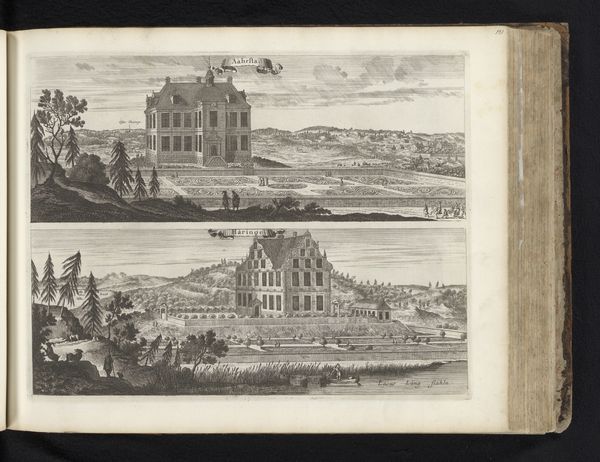
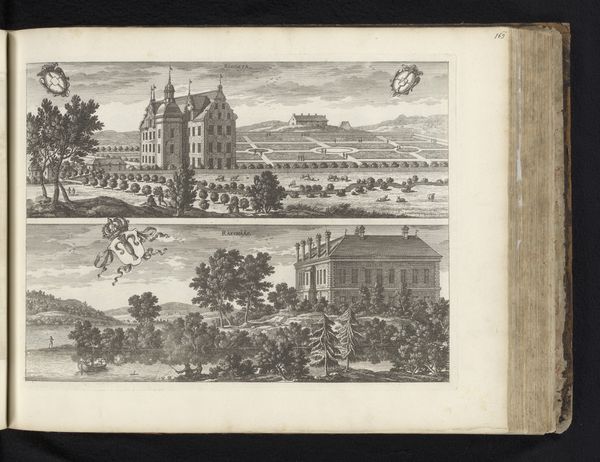
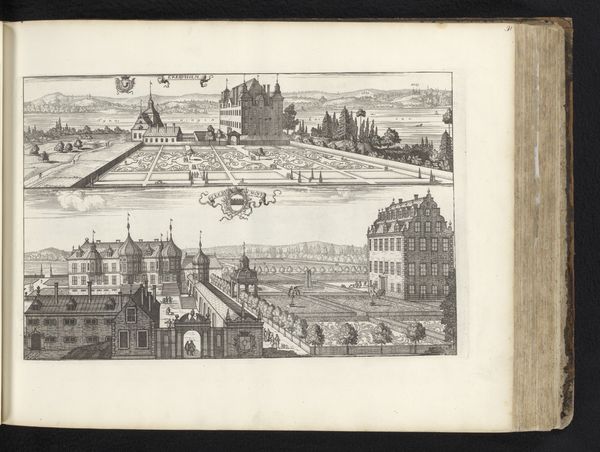
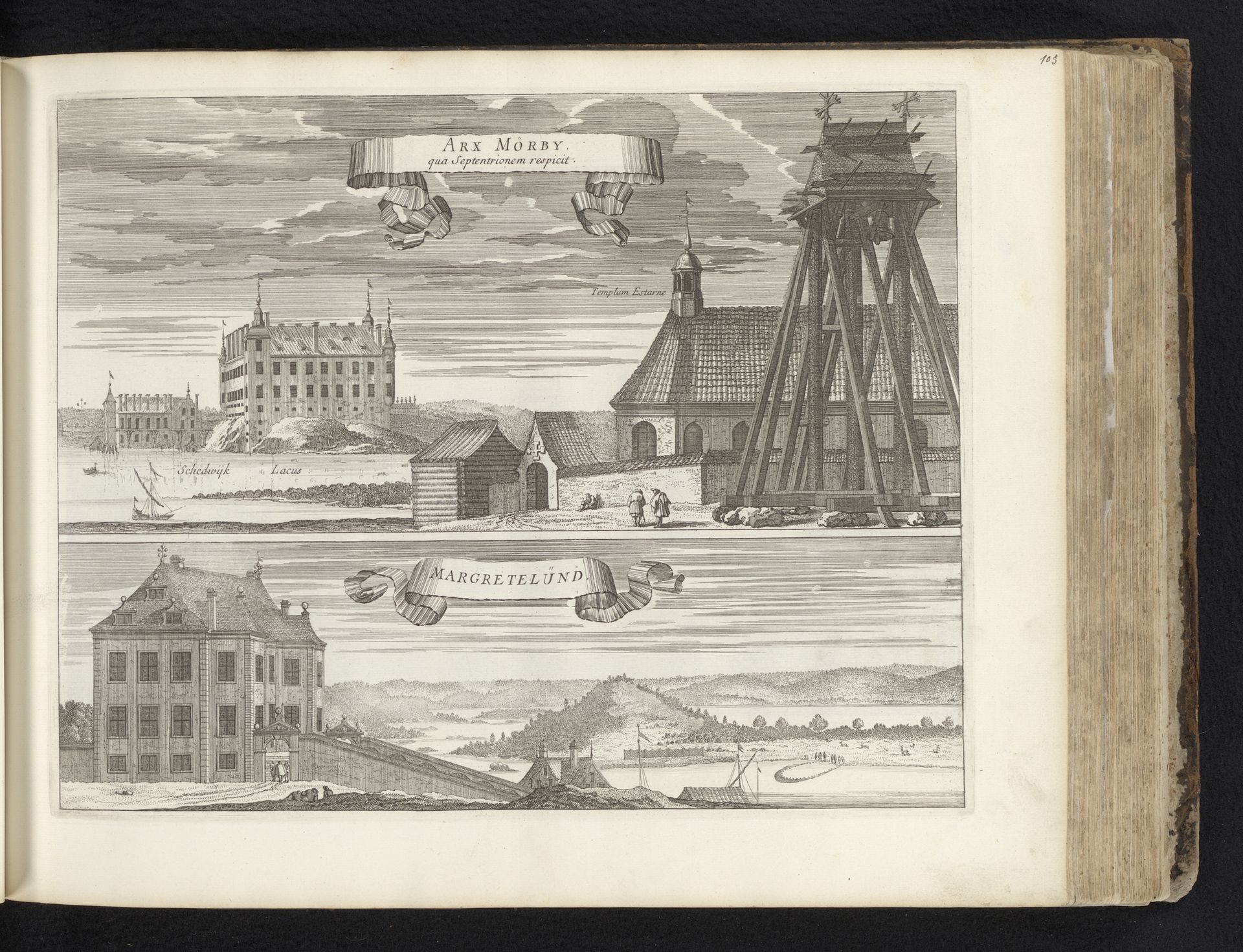
Jean Lepautre made this engraving of Mörby Castle and Margretelund Castle in Sweden sometime in the 17th century. Lepautre's image gives us insight into the cultural values of the time, especially regarding power and status. The detailed depiction of the castles, combined with the surrounding landscape, conveys a sense of authority and control. These buildings aren’t just structures; they are symbols of social hierarchy and economic strength. Looking at the castles’ architecture and placement, we can speculate on the social conditions that shaped their creation. What was the role of the aristocracy at this time? How did the design of these buildings reflect the political climate? Examining period documents like estate records and architectural plans could reveal more about the intentions behind their construction. By exploring these questions, we can begin to understand the public role of art and the social conditions that shaped its production, seeing beyond the aesthetic appeal to uncover the complex interplay of power, culture, and society.
Gezicht op kasteel Mörby vanuit het noorden en slot Margretelund 1669

Jean Lepautre
1618 - 1682Location
RijksmuseumArtwork details
- Medium
- print, engraving
- Dimensions
- height 270 mm, width 342 mm
- Location
- Rijksmuseum
- Copyright
- Rijks Museum: Open Domain
Tags
baroque
dutch-golden-age
landscape
cityscape
engraving
Comments
No comments
About this artwork
Jean Lepautre made this engraving of Mörby Castle and Margretelund Castle in Sweden sometime in the 17th century. Lepautre's image gives us insight into the cultural values of the time, especially regarding power and status. The detailed depiction of the castles, combined with the surrounding landscape, conveys a sense of authority and control. These buildings aren’t just structures; they are symbols of social hierarchy and economic strength. Looking at the castles’ architecture and placement, we can speculate on the social conditions that shaped their creation. What was the role of the aristocracy at this time? How did the design of these buildings reflect the political climate? Examining period documents like estate records and architectural plans could reveal more about the intentions behind their construction. By exploring these questions, we can begin to understand the public role of art and the social conditions that shaped its production, seeing beyond the aesthetic appeal to uncover the complex interplay of power, culture, and society.
Comments
No comments