About this artwork
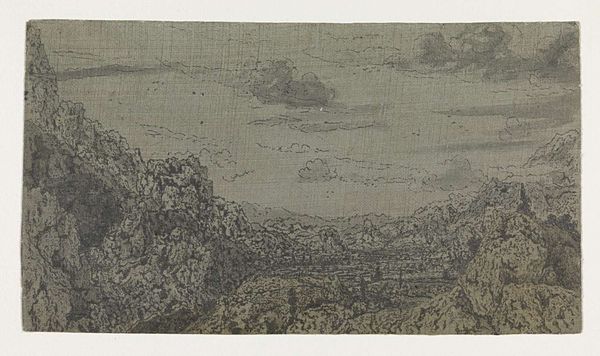
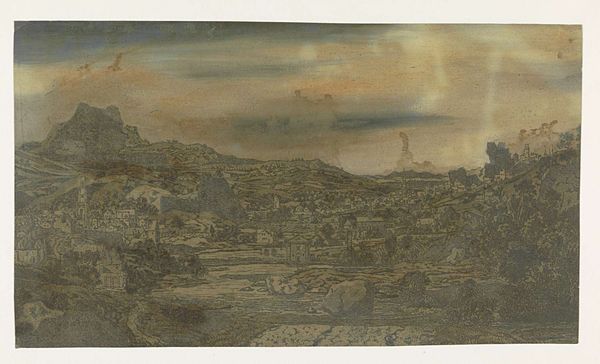
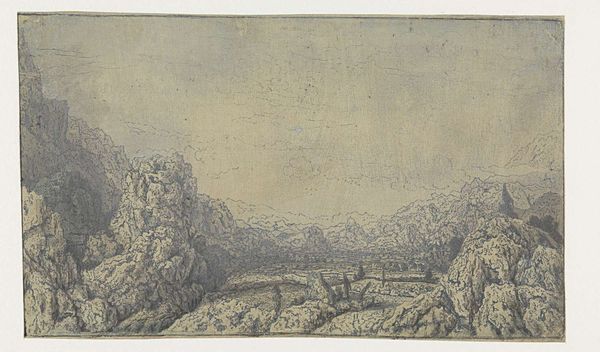
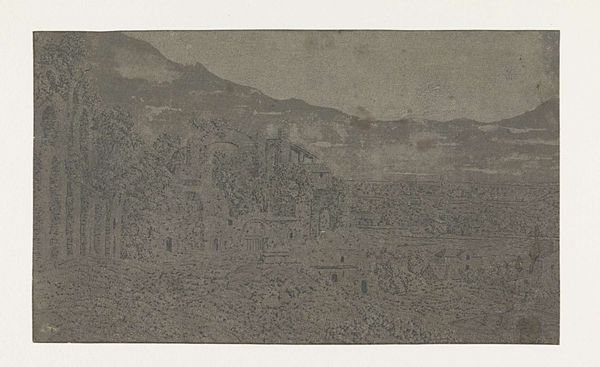
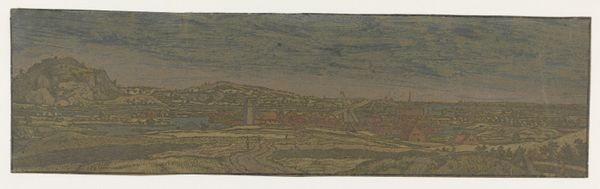
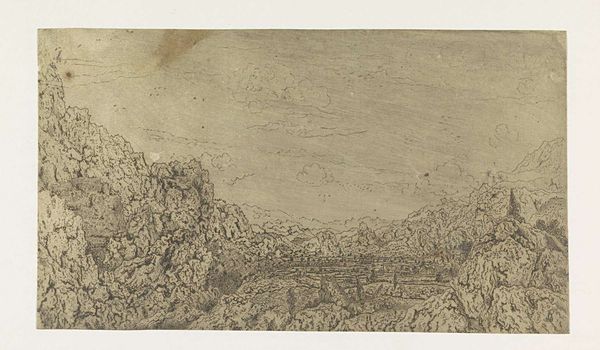
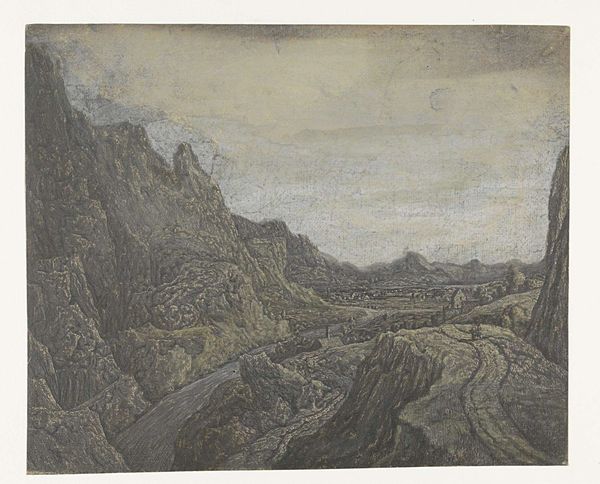
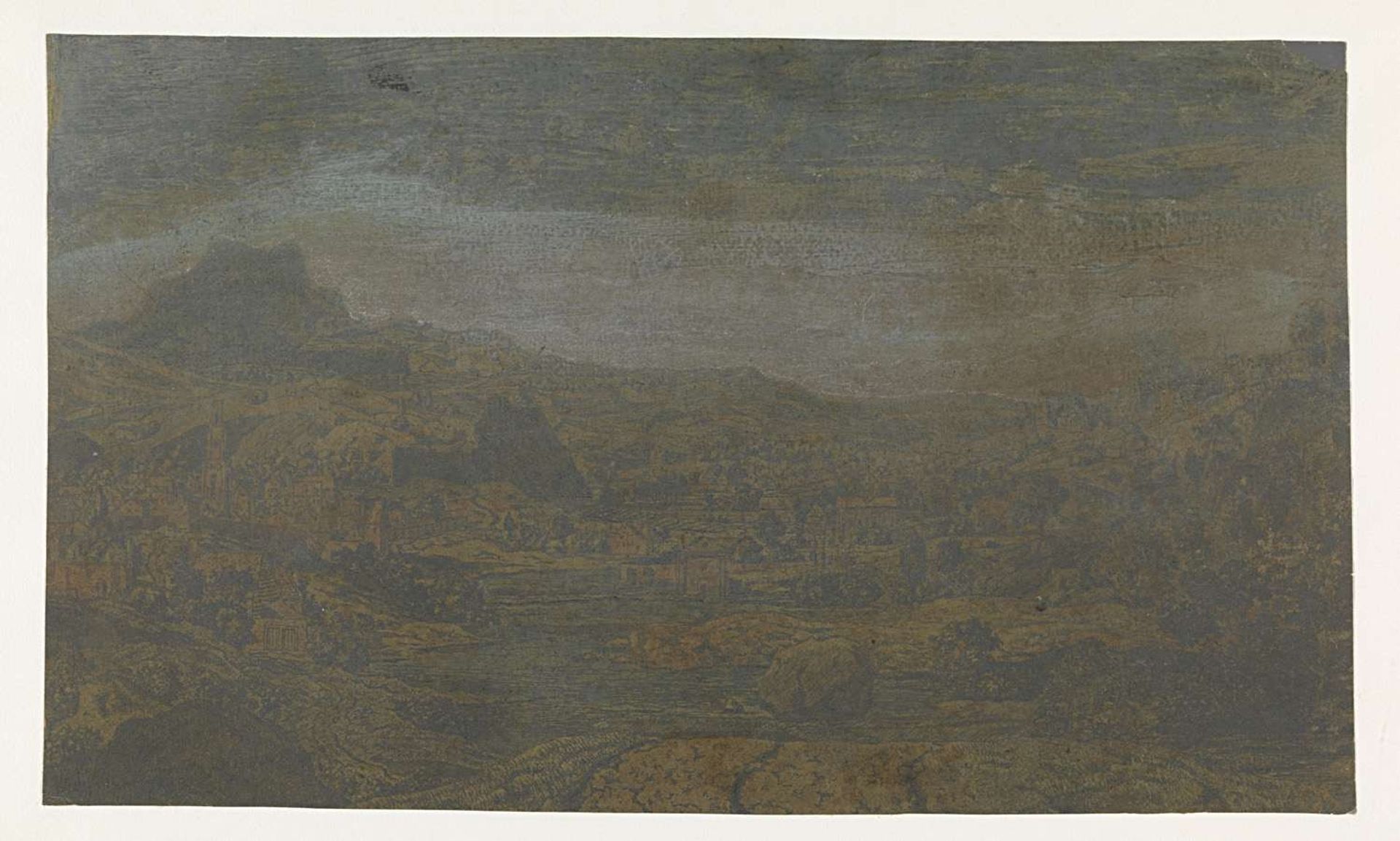
Hercules Segers created this artwork, Valley with a River and a Town with Four Towers, likely during the early 17th century, utilizing etching and possibly painting to achieve its unique texture. Segers lived and worked during the Dutch Golden Age, a time marked by burgeoning trade and the rise of a merchant class, but also stark social stratification. The detailed landscape reflects the growing interest in the natural world, yet it’s rendered with an emotional depth that moves beyond mere representation. The subdued tones and almost dreamlike quality of the scene evoke a sense of melancholy. Segers was known to experiment with unconventional materials, imbuing his prints with color and texture, thus pushing the boundaries of printmaking. His landscapes often feature craggy, desolate terrain. The emotional impact of his work resonates with the precarity of human existence. Segers reminds us of the transient nature of life itself, and the way that is reflected in our treatment of the environment.
Valley with a River and a Town with Four Towers
c. 1626 - 1627

Hercules Segers
1590 - 1638Location
RijksmuseumArtwork details
- Medium
- tempera, painting, etching
- Dimensions
- height 194 mm, width 331 mm
- Location
- Rijksmuseum
- Copyright
- Rijks Museum: Open Domain
Tags
Comments
Share your thoughts
About this artwork
Hercules Segers created this artwork, Valley with a River and a Town with Four Towers, likely during the early 17th century, utilizing etching and possibly painting to achieve its unique texture. Segers lived and worked during the Dutch Golden Age, a time marked by burgeoning trade and the rise of a merchant class, but also stark social stratification. The detailed landscape reflects the growing interest in the natural world, yet it’s rendered with an emotional depth that moves beyond mere representation. The subdued tones and almost dreamlike quality of the scene evoke a sense of melancholy. Segers was known to experiment with unconventional materials, imbuing his prints with color and texture, thus pushing the boundaries of printmaking. His landscapes often feature craggy, desolate terrain. The emotional impact of his work resonates with the precarity of human existence. Segers reminds us of the transient nature of life itself, and the way that is reflected in our treatment of the environment.
Comments
Share your thoughts