About this artwork
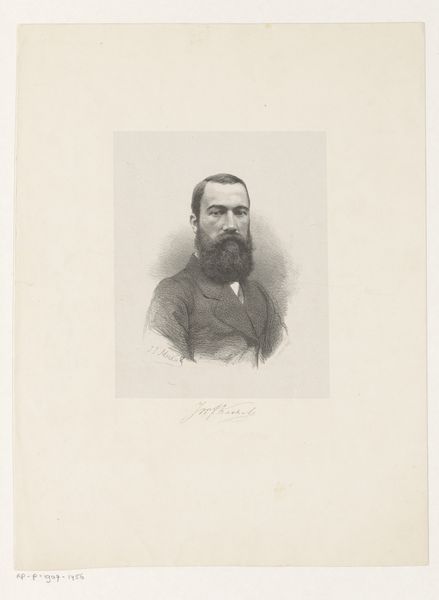
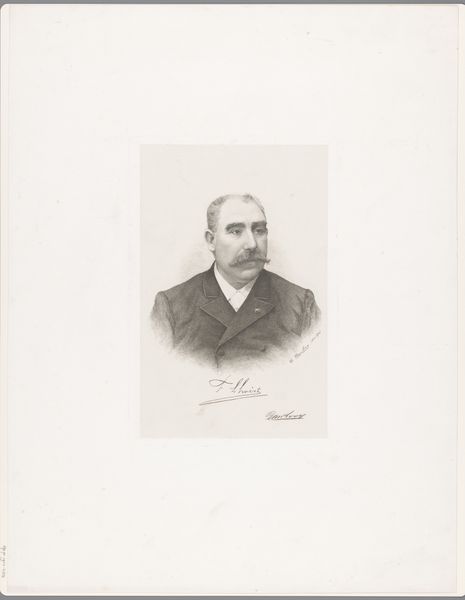
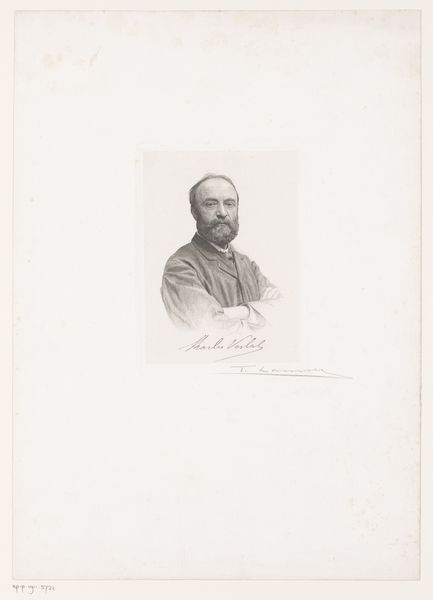
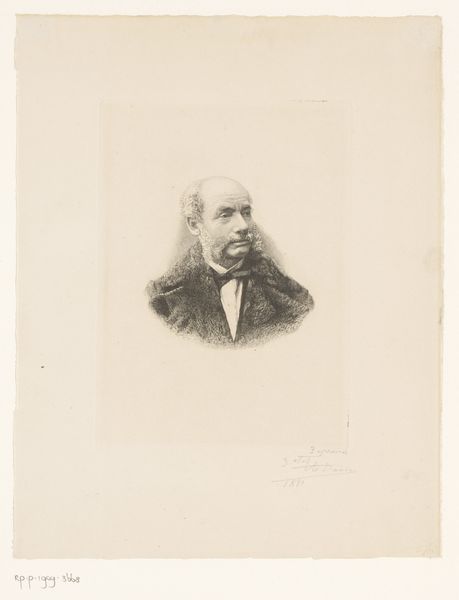
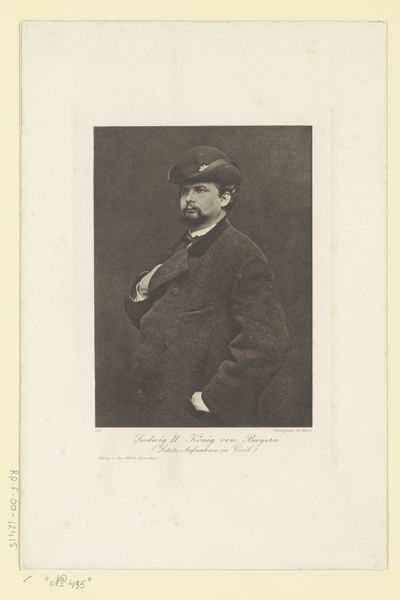
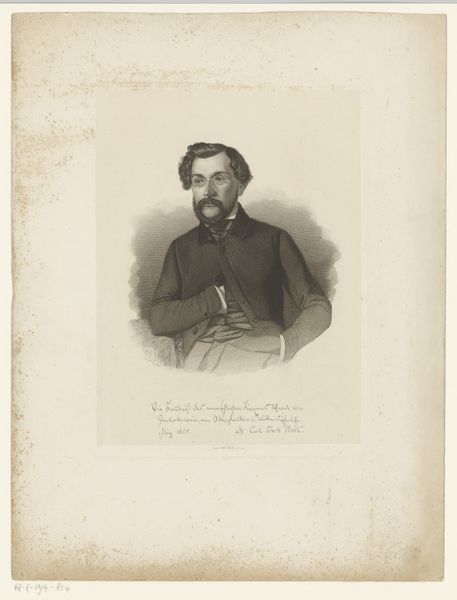
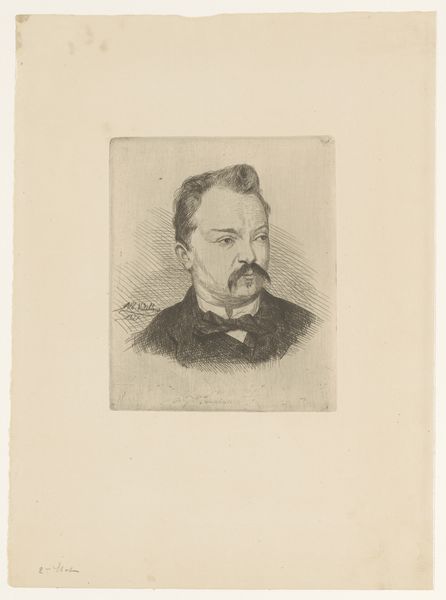
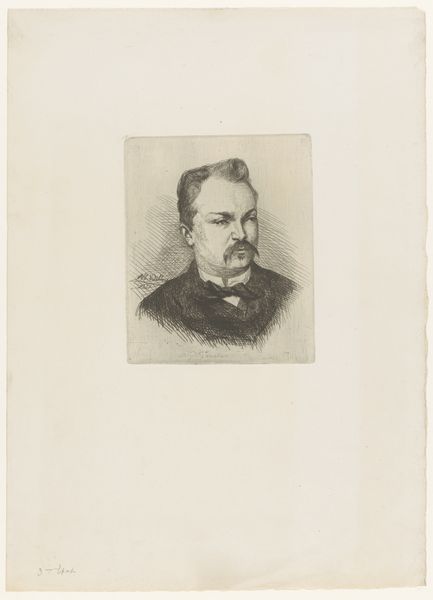
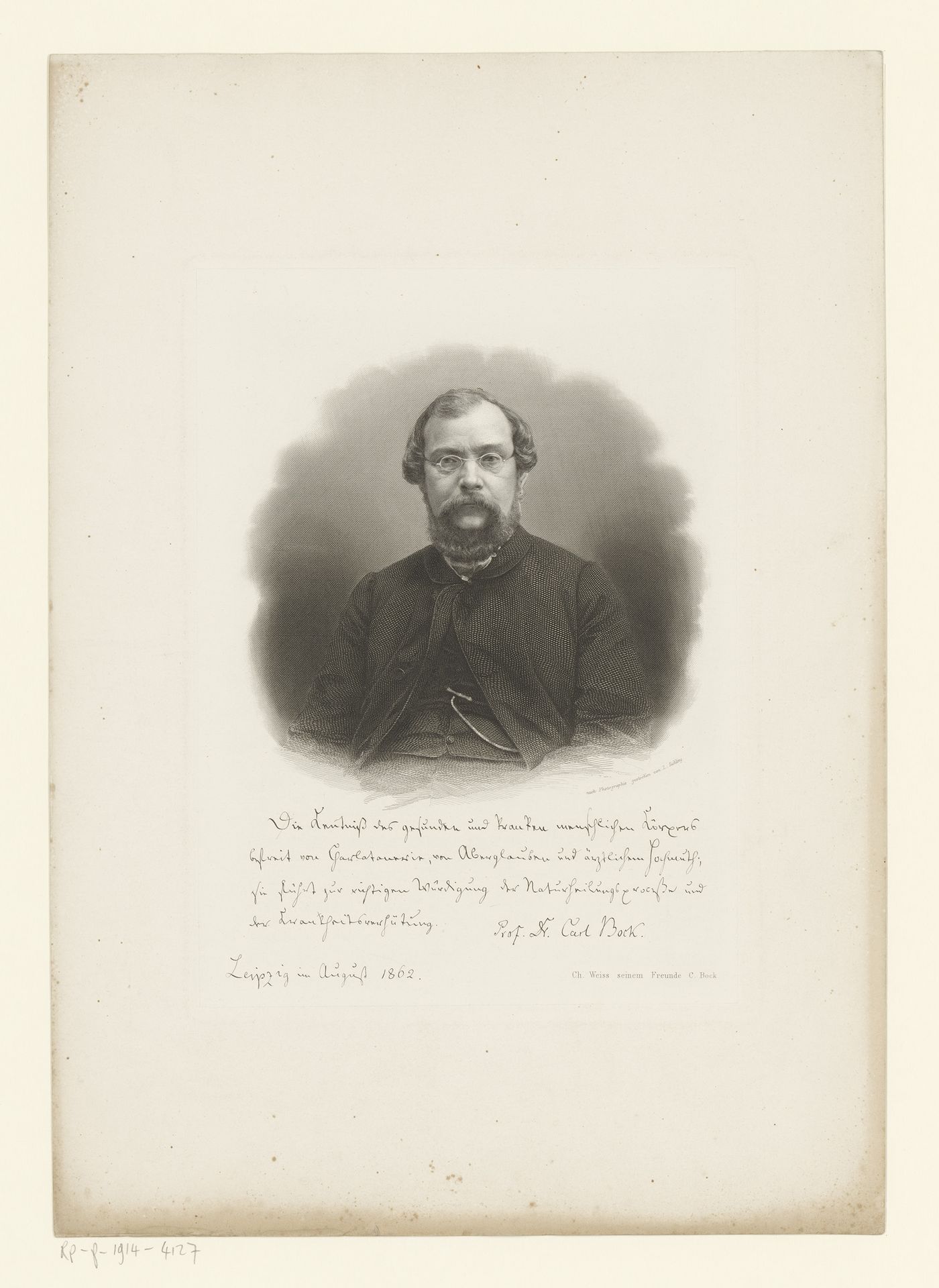
This is a portrait of Carl Ernst Bock, made by Lazarus Gottlieb Sichling, likely in the mid-19th century, using engraving techniques. Engraving is an intaglio printmaking process, where the image is incised into a metal plate, often copper. The incised lines hold ink, and when pressed against paper, they transfer the image. Look closely, and you'll notice the fineness of the lines creating the portrait's detail and tonal variation. This was a painstaking, skilled process, demanding precision and control over the engraving tools. The depth and width of each line influence the darkness and texture of the print. In the 19th century, printed images like this one played a crucial role in disseminating knowledge and culture. Engravings allowed for the mass production of images, making portraits and other artworks accessible to a wider audience. The labor-intensive nature of engraving reflects the era's transition from artisanal to industrial production. Considering the materials, processes, and social context of the engraving lets us fully appreciate the artwork, challenging traditional distinctions between art and craft.

Artwork details
- Medium
- print, engraving
- Dimensions
- height 231 mm, width 190 mm
- Copyright
- Rijks Museum: Open Domain
Tags
portrait
pencil drawn
aged paper
pencil sketch
pencil drawing
engraving
realism
Comments
No comments
About this artwork
This is a portrait of Carl Ernst Bock, made by Lazarus Gottlieb Sichling, likely in the mid-19th century, using engraving techniques. Engraving is an intaglio printmaking process, where the image is incised into a metal plate, often copper. The incised lines hold ink, and when pressed against paper, they transfer the image. Look closely, and you'll notice the fineness of the lines creating the portrait's detail and tonal variation. This was a painstaking, skilled process, demanding precision and control over the engraving tools. The depth and width of each line influence the darkness and texture of the print. In the 19th century, printed images like this one played a crucial role in disseminating knowledge and culture. Engravings allowed for the mass production of images, making portraits and other artworks accessible to a wider audience. The labor-intensive nature of engraving reflects the era's transition from artisanal to industrial production. Considering the materials, processes, and social context of the engraving lets us fully appreciate the artwork, challenging traditional distinctions between art and craft.
Comments
No comments