About this artwork
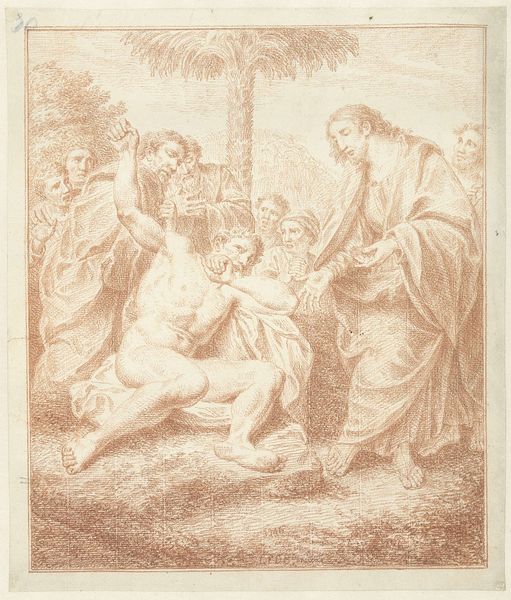
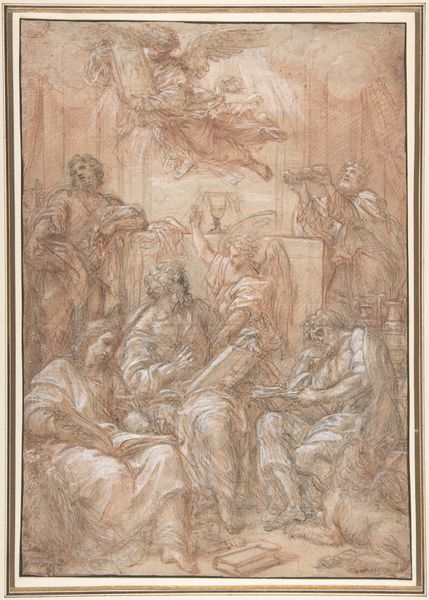
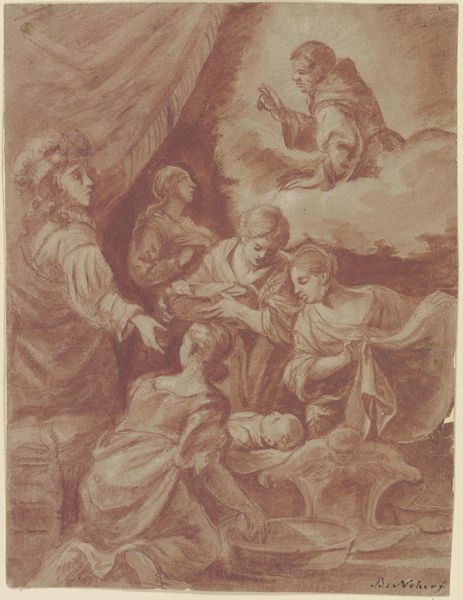
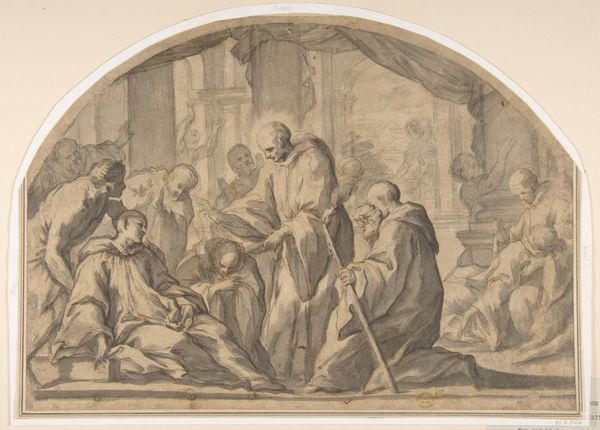
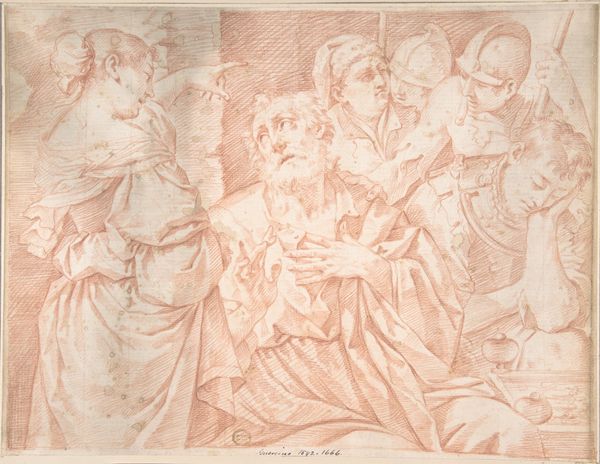
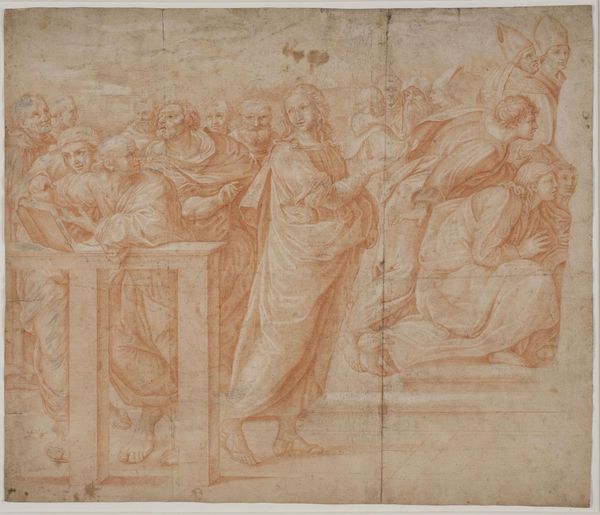
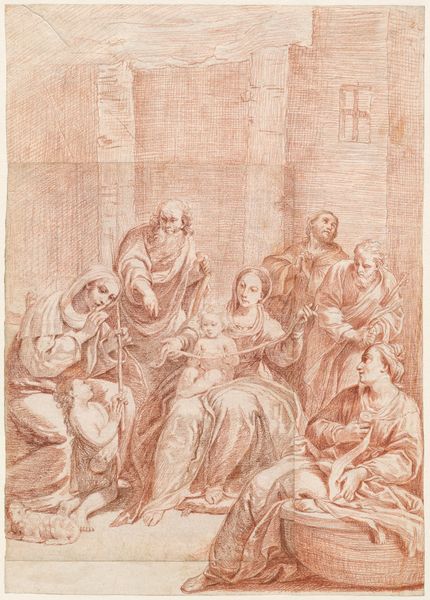
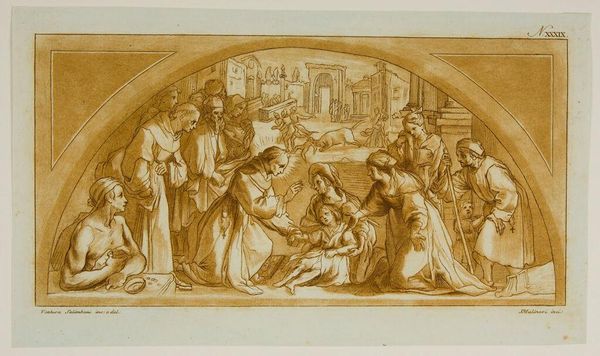
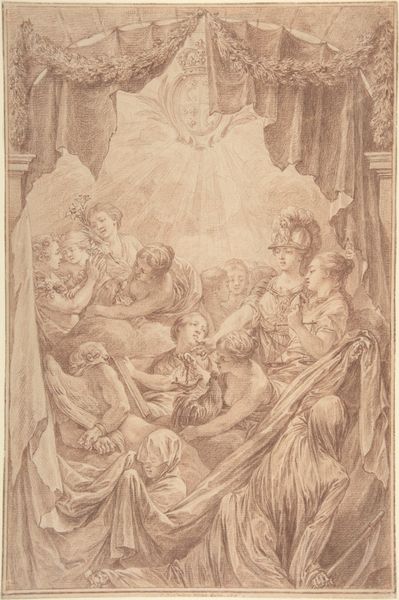
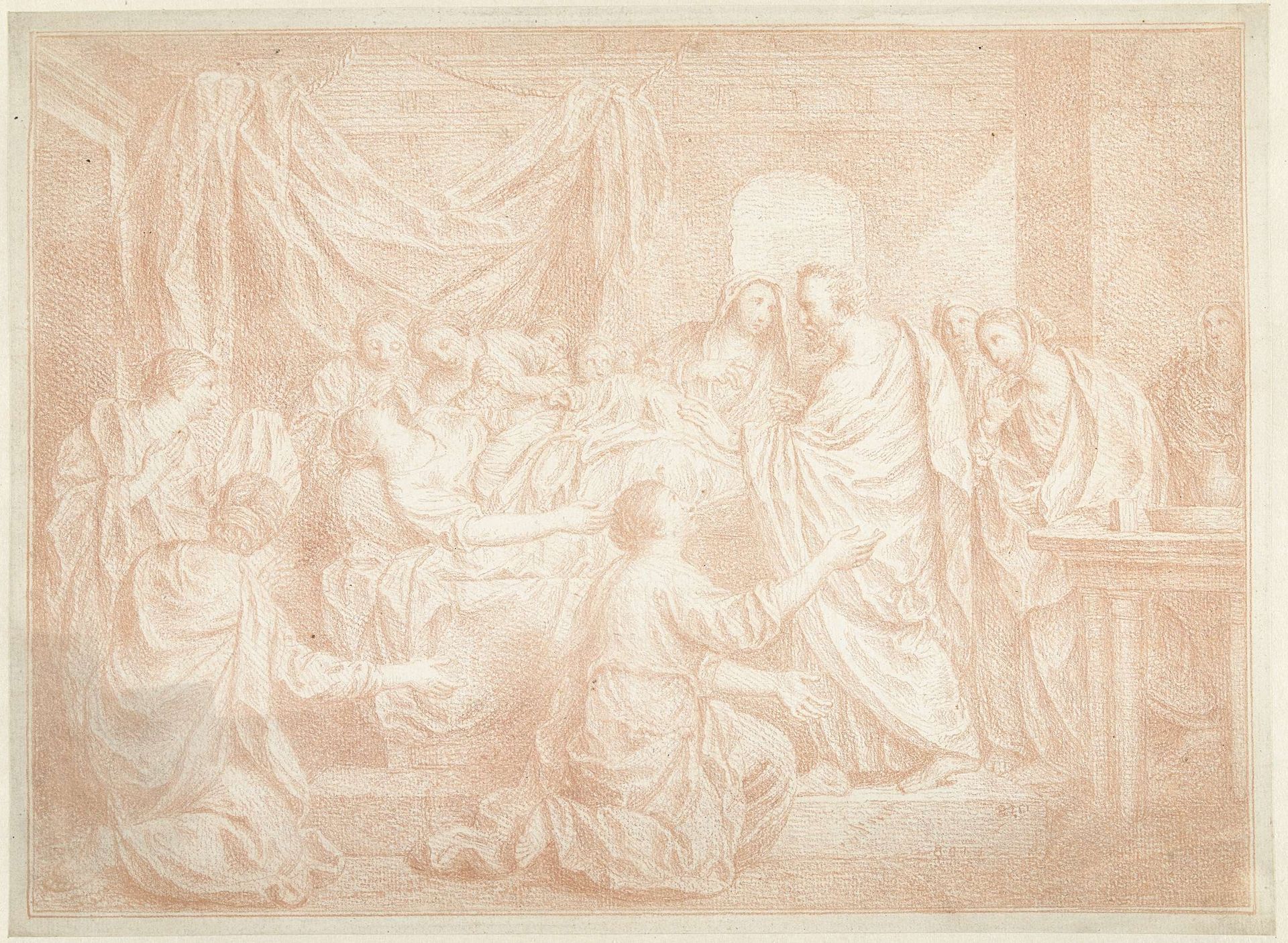
Louis Fabritius Dubourg made this chalk drawing of ‘The Raising of Tabitha’ sometime in the 18th century. The story, from the Acts of the Apostles, tells of Peter raising a pious woman from the dead. As a historian, I’m interested in how Dubourg uses this biblical scene to comment on the social structures of his time. Notice the theatrical staging, the carefully arranged figures, and the emotional expressions. These visual cues invite viewers to contemplate not just the miracle itself, but the virtues of faith and charity embodied by Tabitha. In 18th-century Europe, religious institutions played a crucial role in social welfare, and artists often used biblical narratives to reinforce moral values and social hierarchies. Dubourg was French, and he likely would have been influenced by the artistic conventions of the French court, where art was used to promote the values of the monarchy and the church. To fully understand the meaning of this drawing, one could research the role of religion in 18th-century French society, as well as the patronage system that supported artists like Dubourg.

Artwork details
- Medium
- drawing, ink, pen
- Dimensions
- height 318 mm, width 432 mm
- Location
- Rijksmuseum
- Copyright
- Rijks Museum: Open Domain
Tags
drawing
narrative-art
baroque
charcoal drawing
figuration
ink
pencil drawing
line
pen
history-painting
watercolor
realism
Comments
No comments
About this artwork
Louis Fabritius Dubourg made this chalk drawing of ‘The Raising of Tabitha’ sometime in the 18th century. The story, from the Acts of the Apostles, tells of Peter raising a pious woman from the dead. As a historian, I’m interested in how Dubourg uses this biblical scene to comment on the social structures of his time. Notice the theatrical staging, the carefully arranged figures, and the emotional expressions. These visual cues invite viewers to contemplate not just the miracle itself, but the virtues of faith and charity embodied by Tabitha. In 18th-century Europe, religious institutions played a crucial role in social welfare, and artists often used biblical narratives to reinforce moral values and social hierarchies. Dubourg was French, and he likely would have been influenced by the artistic conventions of the French court, where art was used to promote the values of the monarchy and the church. To fully understand the meaning of this drawing, one could research the role of religion in 18th-century French society, as well as the patronage system that supported artists like Dubourg.
Comments
No comments