About this artwork
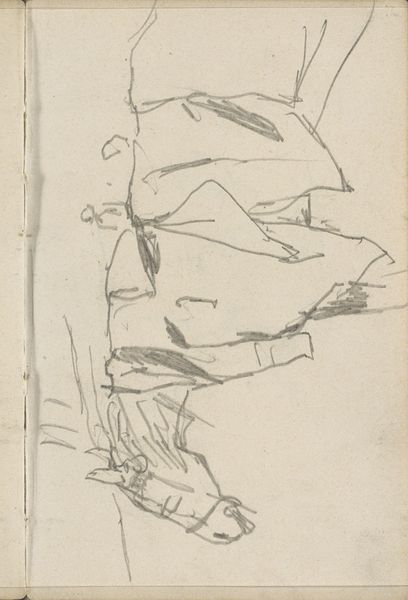
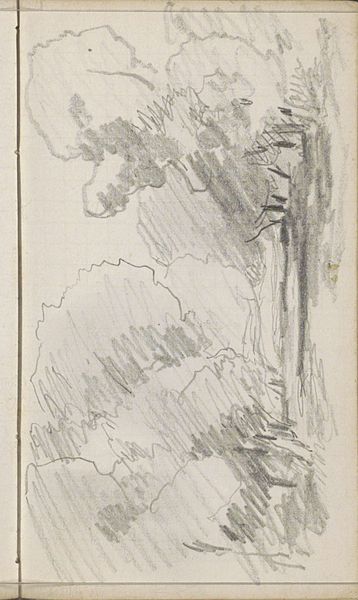
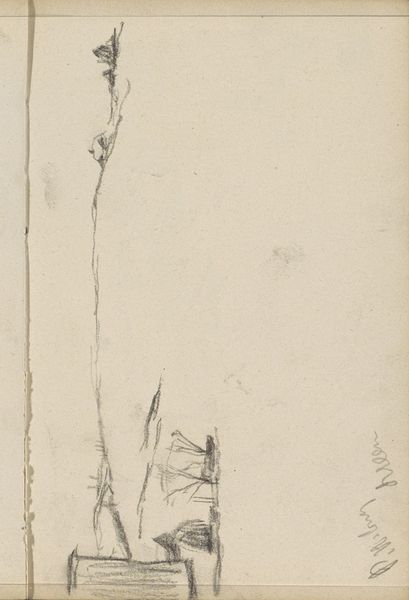
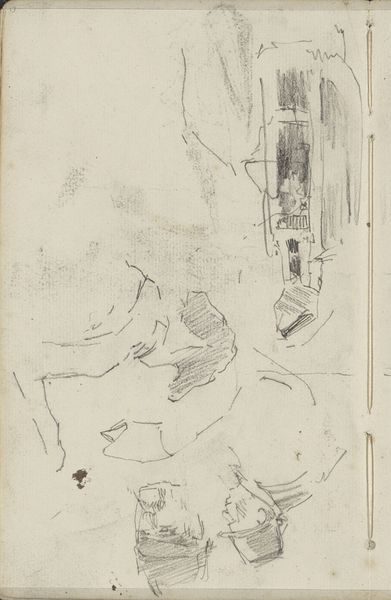
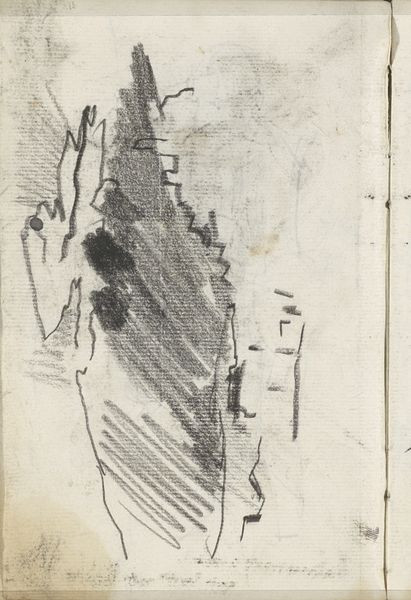
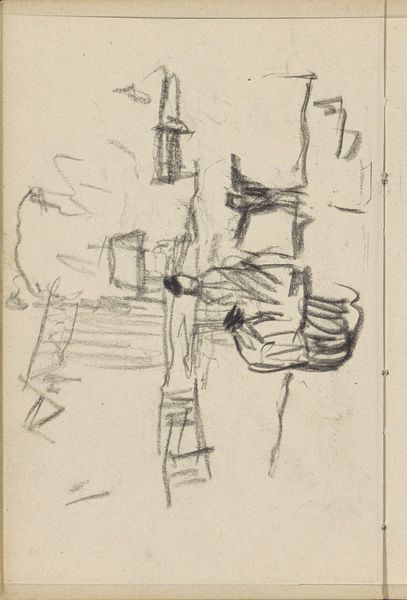
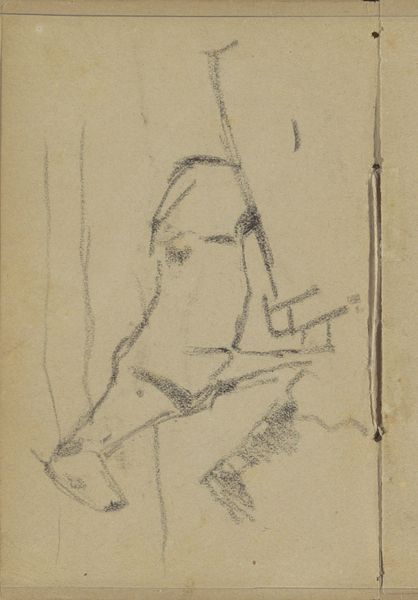
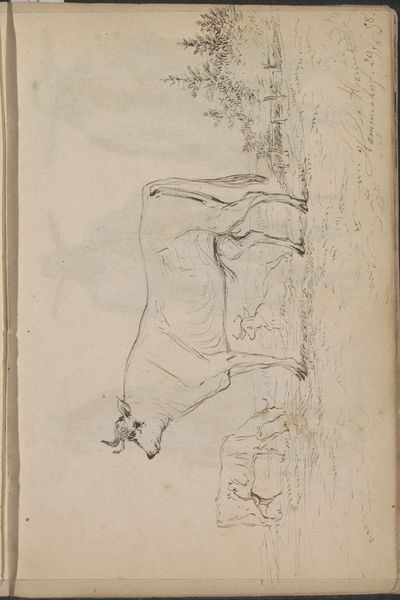
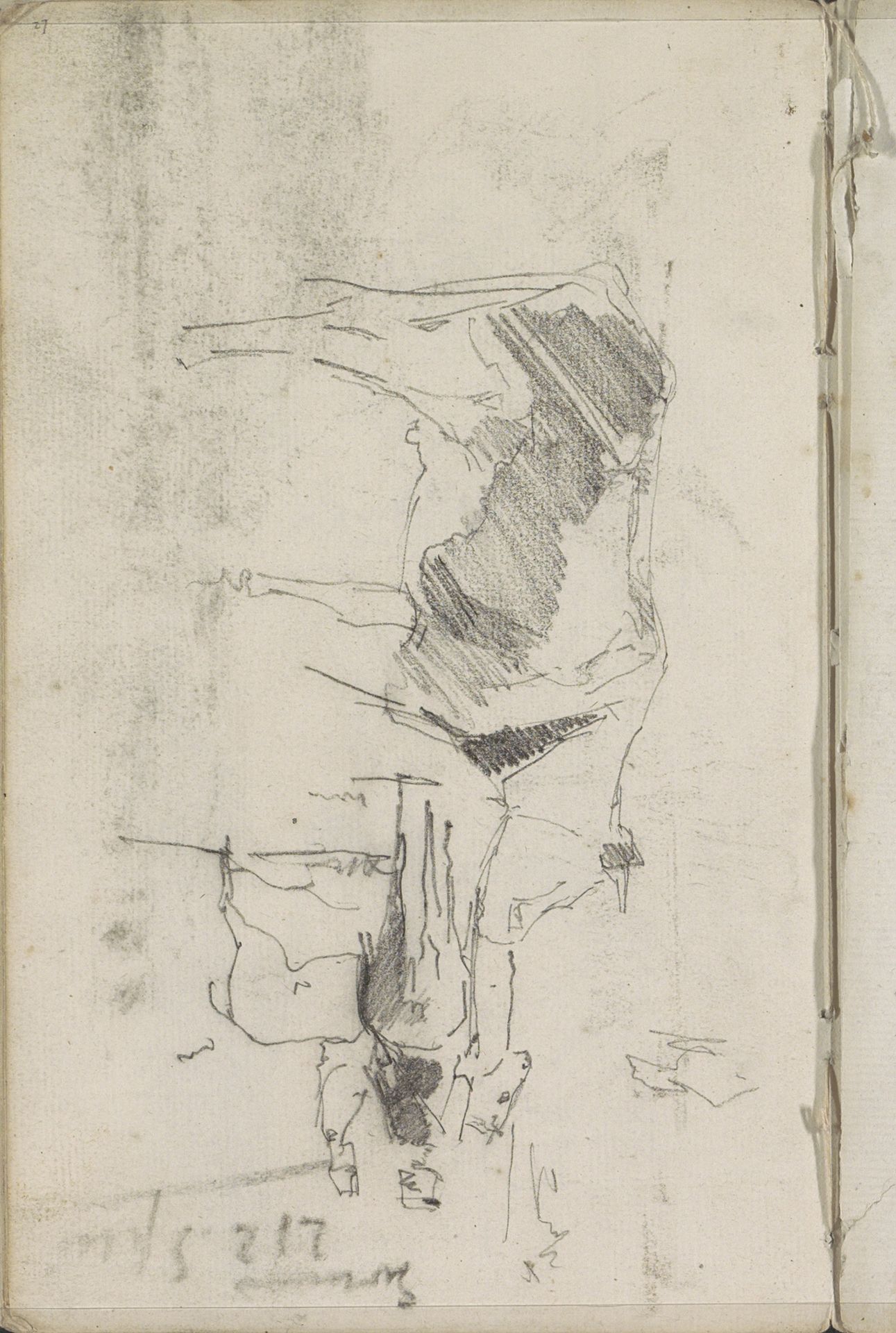
This is George Hendrik Breitner's pencil drawing of a standing cow and two riders, possibly soldiers, which now resides at the Rijksmuseum. Breitner, living from 1857 to 1923, captured the changing face of Amsterdam during a period of rapid urbanization and industrialization. While he is known for his gritty, urban scenes, this sketch offers a glimpse into the rural life that was gradually fading from view. The cow, rendered with quick, assured strokes, stands as a symbol of the agrarian past. The riders suggest the incursion of military or governmental power into the traditional rhythms of country life. Breitner, who once said "Painting is seeing," was interested in capturing fleeting moments and the raw energy of life. Look at how he captures the cow's solid presence, a stark contrast to the more ephemeral figures of the riders. It invites us to reflect on the shifting relationships between humans, animals, and the land.
Staande koe en twee ruiters, mogelijk soldaten
1880 - 1882

George Hendrik Breitner
1857 - 1923Location
RijksmuseumArtwork details
- Medium
- drawing, pencil
- Location
- Rijksmuseum
- Copyright
- Rijks Museum: Open Domain
Tags
Comments
Share your thoughts
About this artwork
This is George Hendrik Breitner's pencil drawing of a standing cow and two riders, possibly soldiers, which now resides at the Rijksmuseum. Breitner, living from 1857 to 1923, captured the changing face of Amsterdam during a period of rapid urbanization and industrialization. While he is known for his gritty, urban scenes, this sketch offers a glimpse into the rural life that was gradually fading from view. The cow, rendered with quick, assured strokes, stands as a symbol of the agrarian past. The riders suggest the incursion of military or governmental power into the traditional rhythms of country life. Breitner, who once said "Painting is seeing," was interested in capturing fleeting moments and the raw energy of life. Look at how he captures the cow's solid presence, a stark contrast to the more ephemeral figures of the riders. It invites us to reflect on the shifting relationships between humans, animals, and the land.
Comments
Share your thoughts