About this artwork
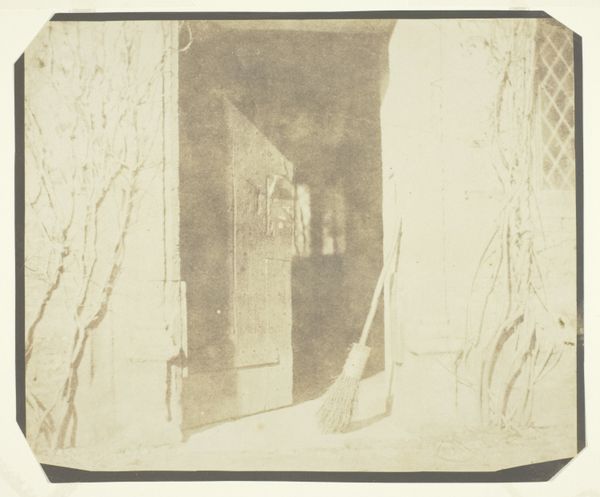
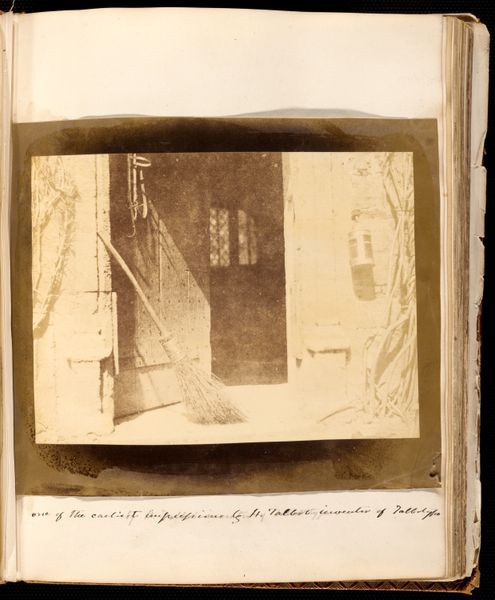
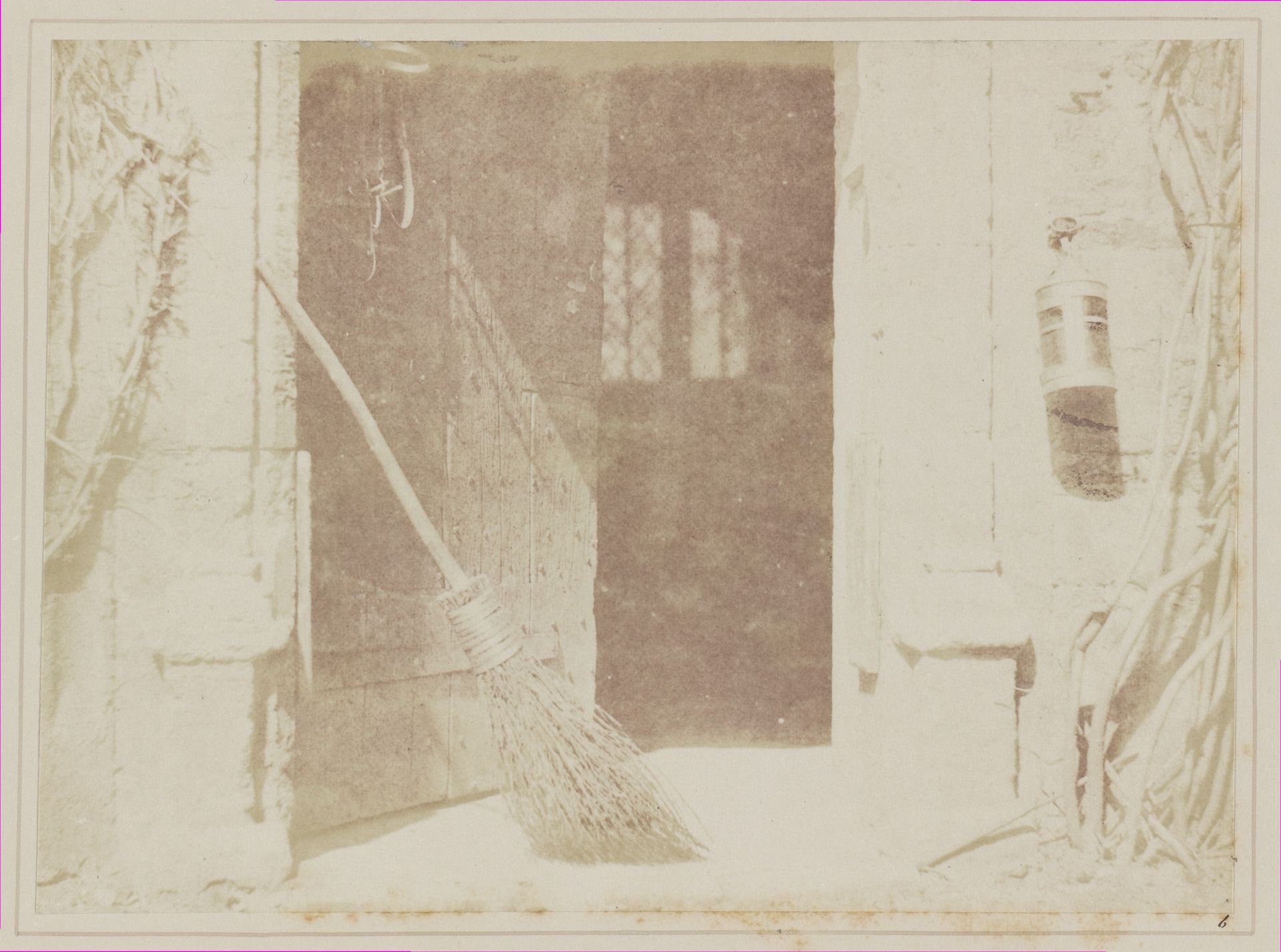
This photogenic drawing called "The Open Door" was created by William Henry Fox Talbot. The image is an exploration of light, shadow, and texture, with a clear focus on the doorway as a frame within a frame. The broom, casually leaning against the stone wall, creates a strong diagonal line that leads the eye into the darker interior space. The photograph's composition, marked by the contrast between the rough texture of the stone and the soft gradations of light, highlights the threshold between the exterior and interior. It's as though Talbot is using this simple scene to destabilize fixed notions of inside versus outside. The open door, in this context, serves as a liminal space, challenging the viewer to cross an invisible boundary. The play of light, shadow, and texture transforms the photograph into a semiotic system. It is a cultural code that invites the viewer to engage in a perpetual act of interpretation and re-interpretation.
The Open Door 1843 - 1844

William Henry Fox Talbot
1800 - 1877
The Metropolitan Museum of Art
Metropolitan Museum of Art, New York, NYArtwork details
- Medium
- daguerreotype, photography
- Location
- Metropolitan Museum of Art, New York, NY
- Copyright
- Public Domain
Tags
landscape
daguerreotype
photography
watercolor
realism
Comments
No comments
About this artwork
This photogenic drawing called "The Open Door" was created by William Henry Fox Talbot. The image is an exploration of light, shadow, and texture, with a clear focus on the doorway as a frame within a frame. The broom, casually leaning against the stone wall, creates a strong diagonal line that leads the eye into the darker interior space. The photograph's composition, marked by the contrast between the rough texture of the stone and the soft gradations of light, highlights the threshold between the exterior and interior. It's as though Talbot is using this simple scene to destabilize fixed notions of inside versus outside. The open door, in this context, serves as a liminal space, challenging the viewer to cross an invisible boundary. The play of light, shadow, and texture transforms the photograph into a semiotic system. It is a cultural code that invites the viewer to engage in a perpetual act of interpretation and re-interpretation.
Comments
No comments