About this artwork
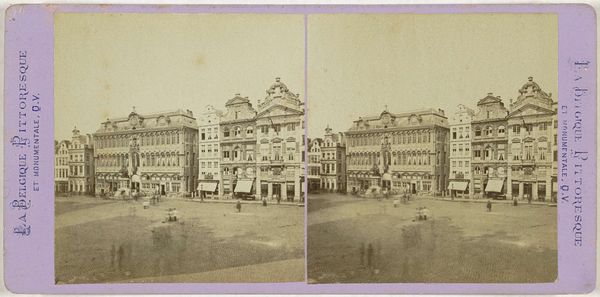
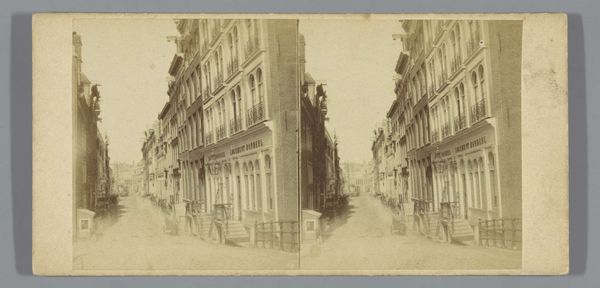
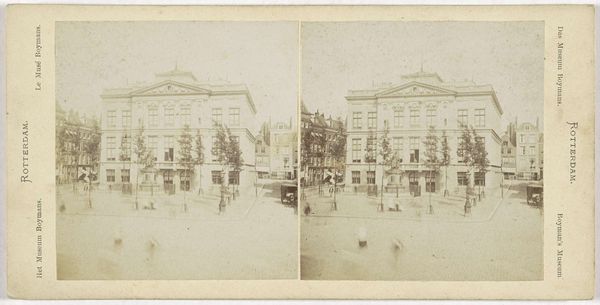
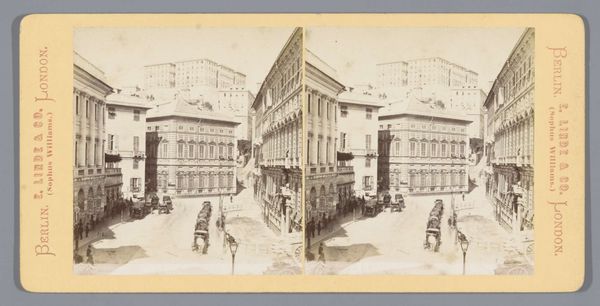
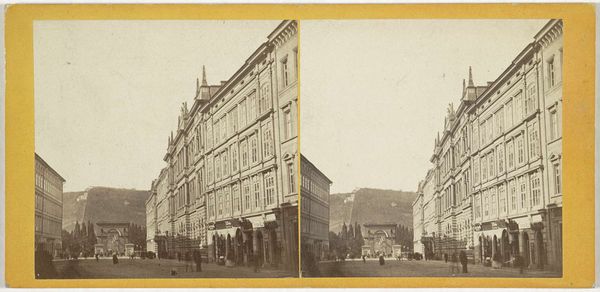
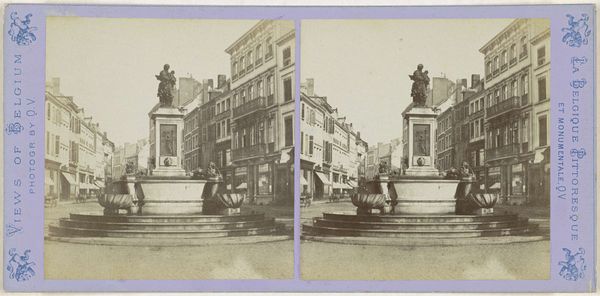
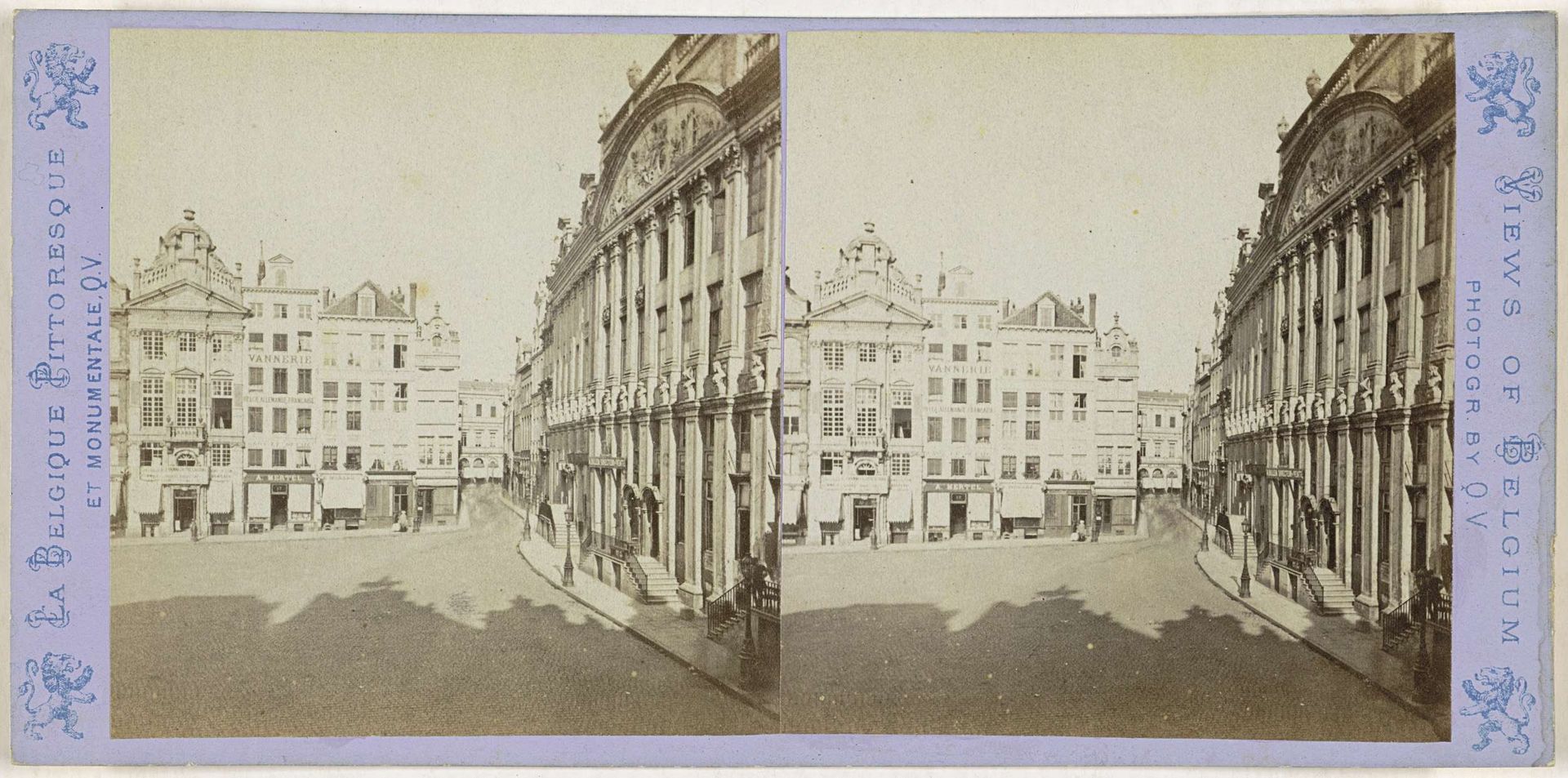
This stereoscopic photograph captures the Grote Markt in Brussels, with the Huis van de Hertogen van Brabant on the right, by Jules Hippolyte Quéval. Stereoscopic photographs were a popular form of entertainment, offering viewers an immersive, almost tangible experience of faraway places. But it is important to recognize that this technology also played a role in shaping and reinforcing colonial narratives. The ‘distant’ places brought into view were often those under colonial rule, exoticizing and othering their inhabitants. It is imperative to think about who had access to this technology and whose stories were being told. Quéval’s photograph, while seemingly a straightforward depiction of a European city, becomes more complex when viewed through this lens. Who is excluded from this picture? What stories remain untold? Photographs like these invite us to consider the power dynamics inherent in representation and to reflect on the multiple layers of history embedded within an image.
Grote Markt in Brussel met rechts het Huis van de Hertogen van Brabant 1866 - 1870

Jules Hippolyte Quéval
1824Location
RijksmuseumArtwork details
- Medium
- stereo, photography, albumen-print
- Dimensions
- height 86 mm, width 176 mm
- Location
- Rijksmuseum
- Copyright
- Rijks Museum: Open Domain
Tags
stereo
neoclassicism
photography
cityscape
albumen-print
Comments
No comments
About this artwork
This stereoscopic photograph captures the Grote Markt in Brussels, with the Huis van de Hertogen van Brabant on the right, by Jules Hippolyte Quéval. Stereoscopic photographs were a popular form of entertainment, offering viewers an immersive, almost tangible experience of faraway places. But it is important to recognize that this technology also played a role in shaping and reinforcing colonial narratives. The ‘distant’ places brought into view were often those under colonial rule, exoticizing and othering their inhabitants. It is imperative to think about who had access to this technology and whose stories were being told. Quéval’s photograph, while seemingly a straightforward depiction of a European city, becomes more complex when viewed through this lens. Who is excluded from this picture? What stories remain untold? Photographs like these invite us to consider the power dynamics inherent in representation and to reflect on the multiple layers of history embedded within an image.
Comments
No comments