1651 - 1711
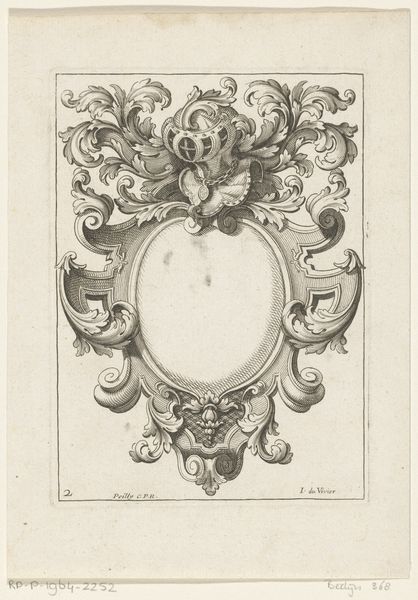
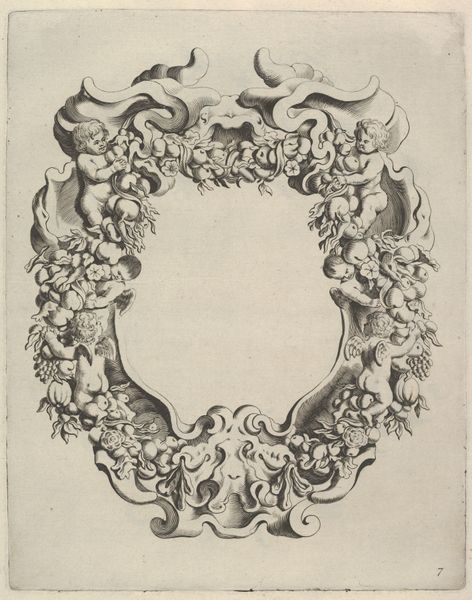
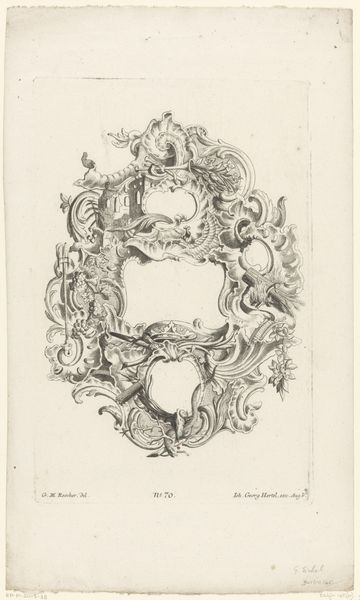
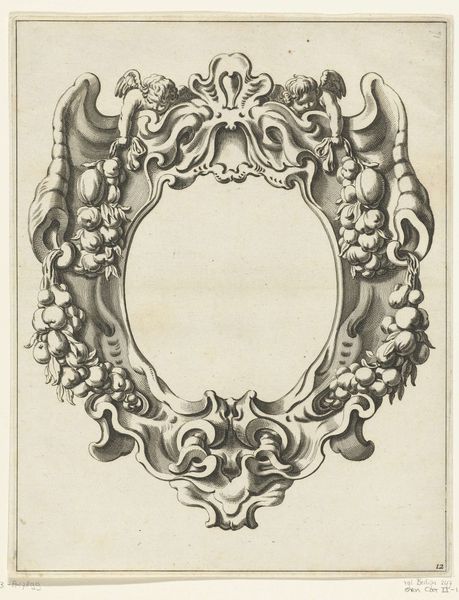
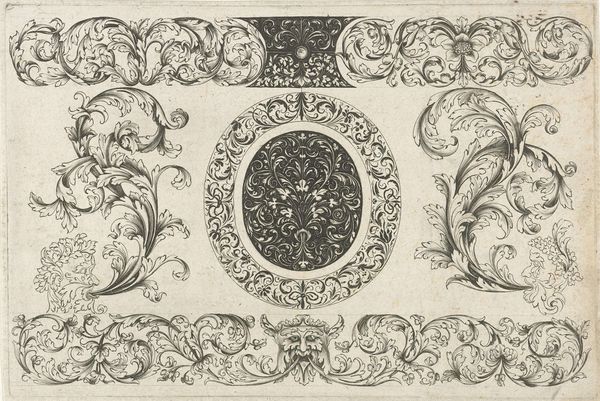
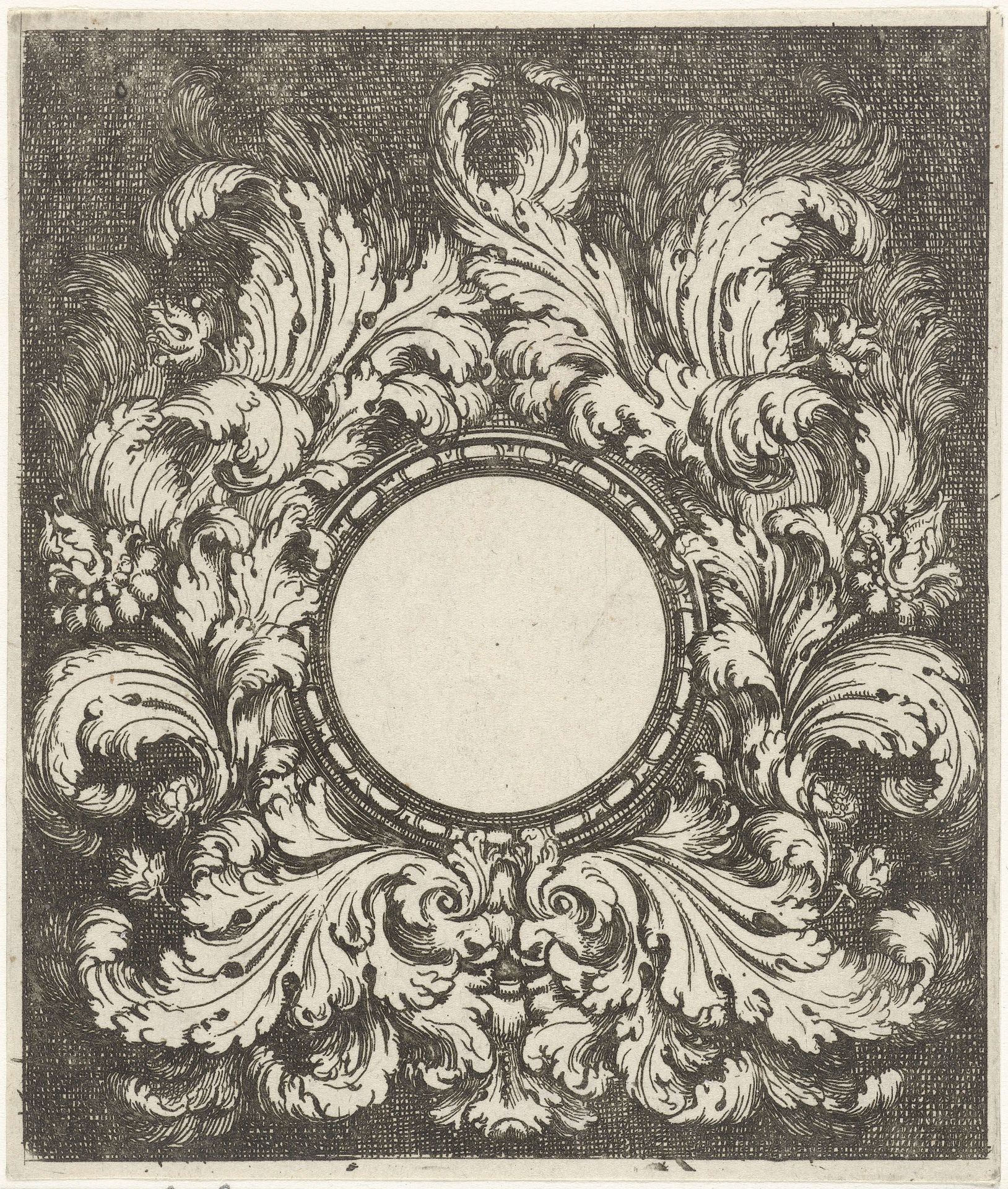
Ornamenteel medaillon

Gerard de Lairesse
1641 - 1711Location
RijksmuseumListen to curator's interpretation
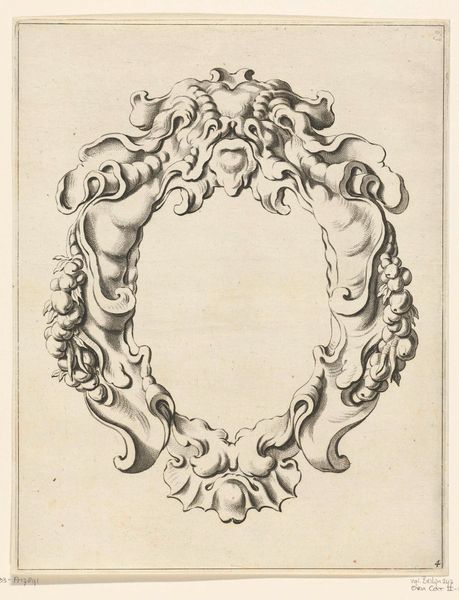
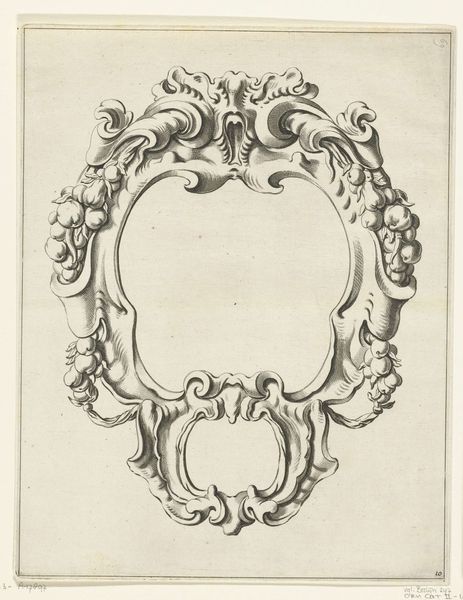
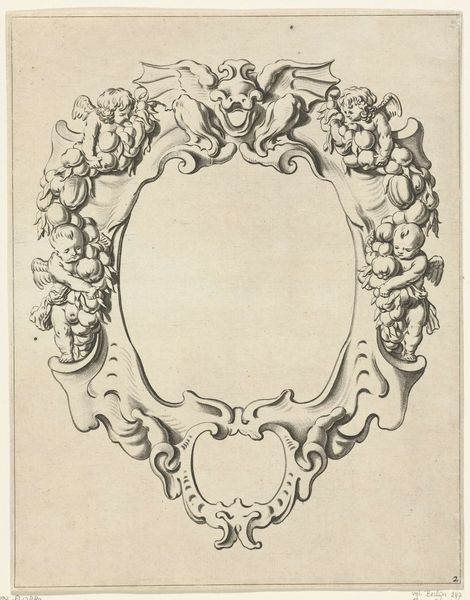
Curatorial notes
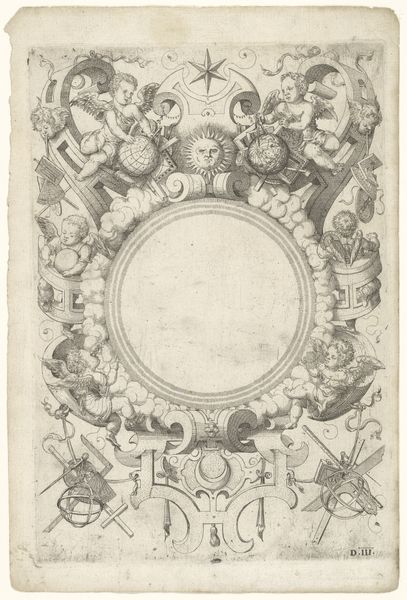
This ornamental medallion was made by Gerard de Lairesse sometime before 1711, using etching. The dense network of lines is characteristic of the etching process, where the artist draws into a wax-covered metal plate, which is then submerged in acid. The acid bites away the exposed lines, leaving an image that can be inked and printed. The etcher's art lies in controlling the depth and thickness of these lines, creating a range of tones and textures. The visual effect here is one of intricate abundance. De Lairesse’s design shows swirling acanthus leaves, a classical motif that was enjoying a revival at this time. The medallion format was widely used for prints, as it could be inserted into larger compositions, such as book illustrations or architectural renderings. What's interesting is how a relatively straightforward process like etching could be used to create such an elaborate effect. It speaks to the premium placed on ornamental richness in the 18th century, and to the value that was placed on skilled craftsmanship, even in the service of seemingly ‘minor’ art forms like printmaking.