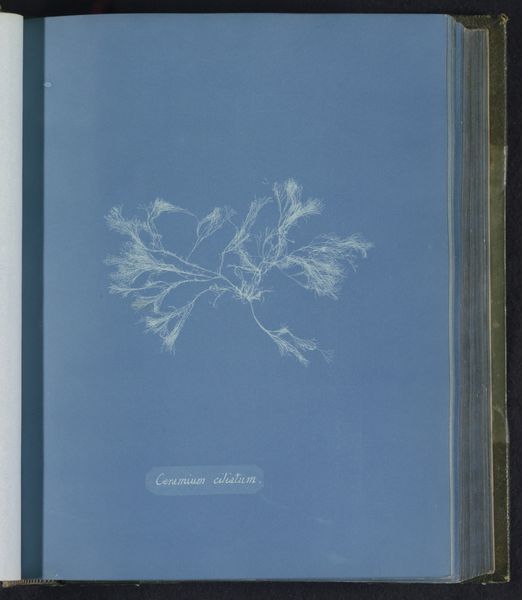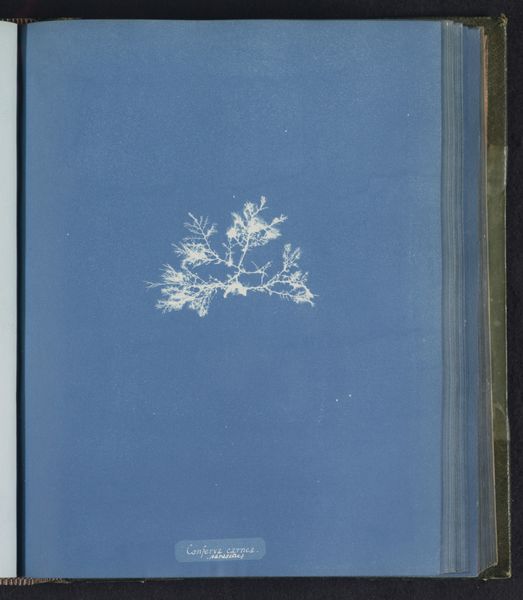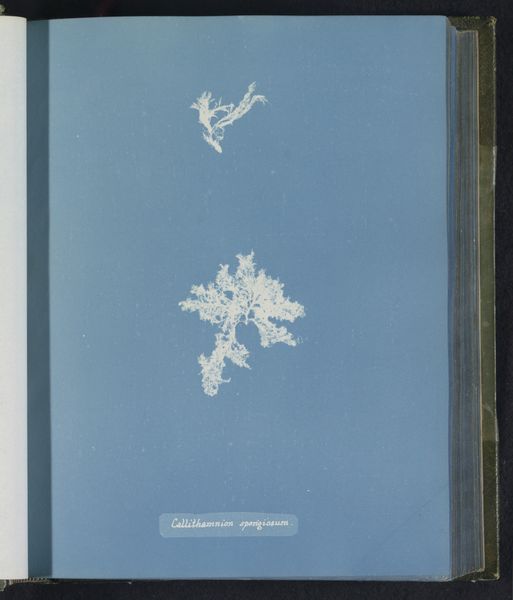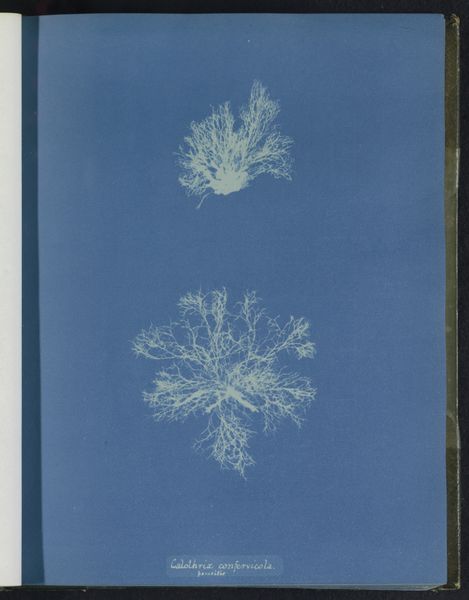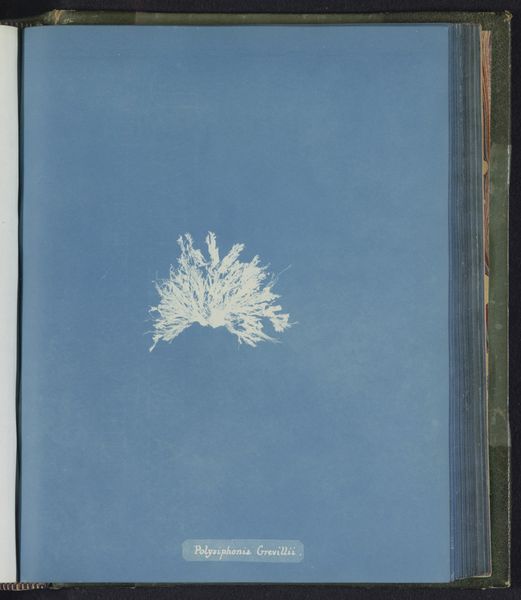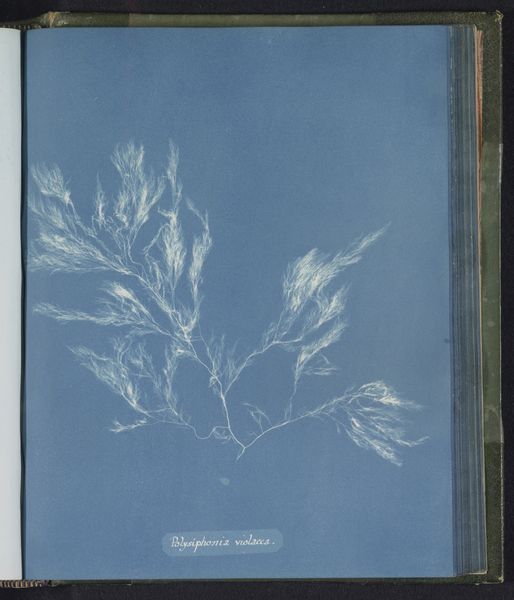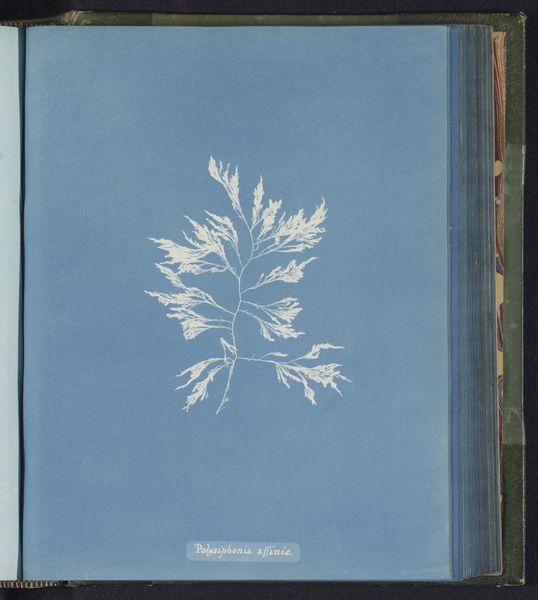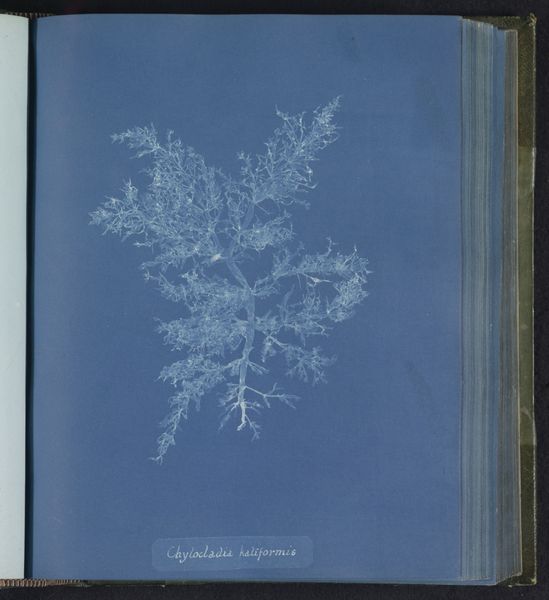
c. 1843 - 1853
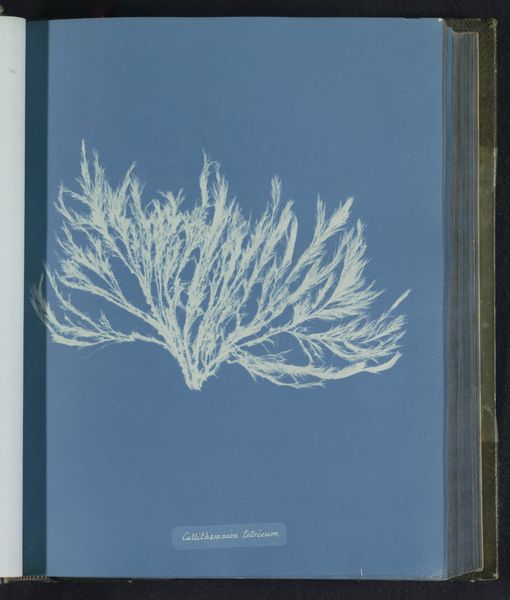
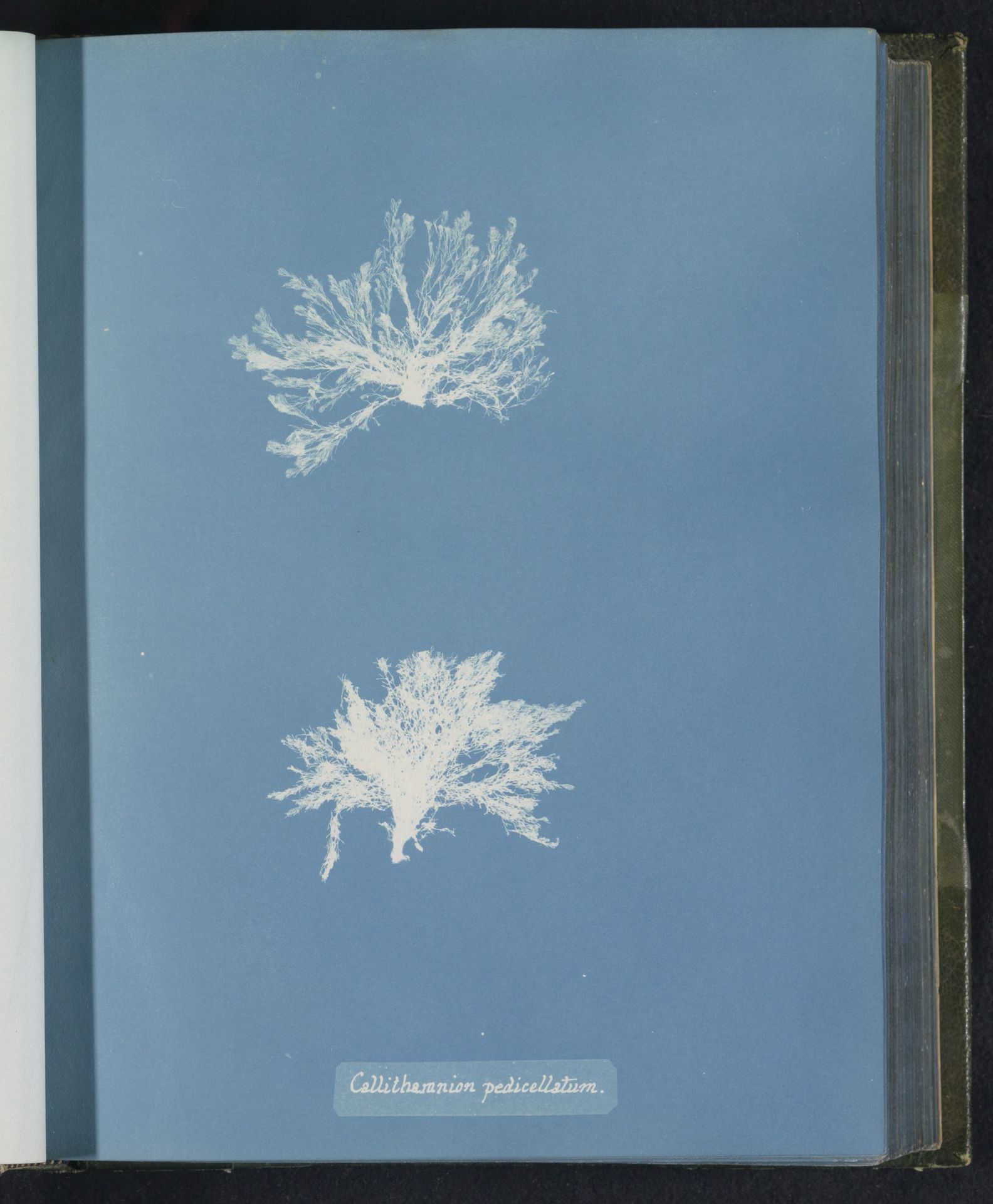
Callithamnion pedicellatum

Listen to curator's interpretation
Curatorial notes
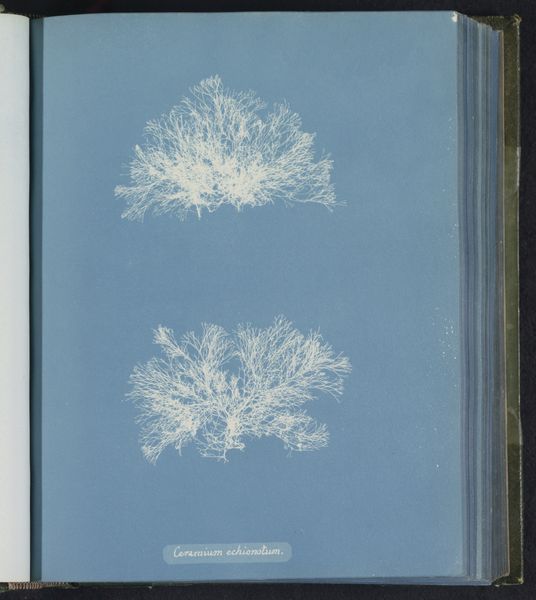
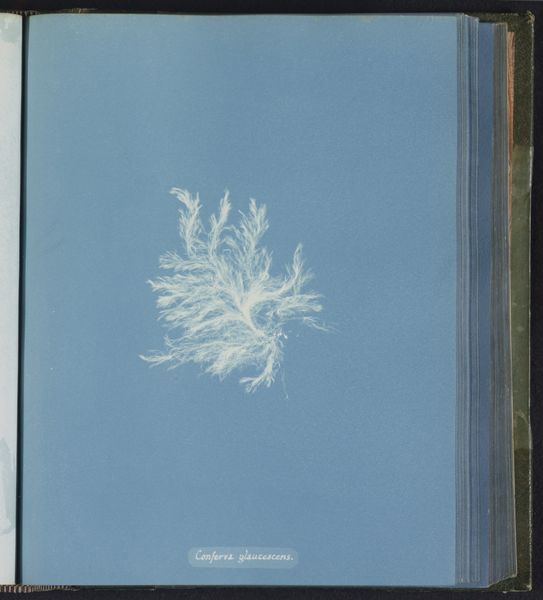
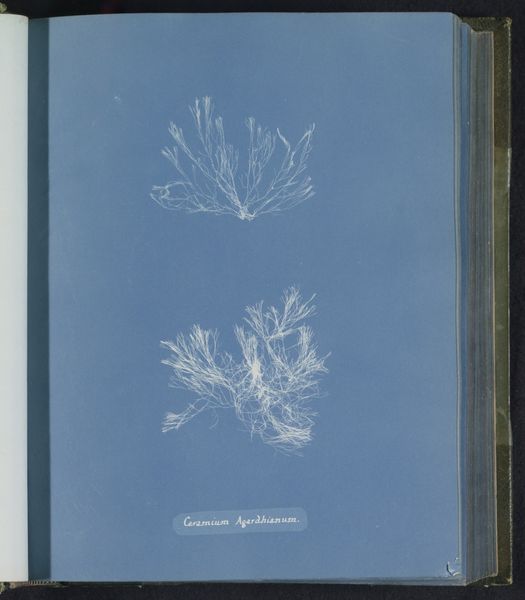
Anna Atkins made this cyanotype of Callithamnion pedicellatum, a type of seaweed, sometime in the mid-19th century. This was a period when scientific illustration was crucial for disseminating knowledge, yet it often relied on hand-drawn images, prone to human error. Atkins, however, embraced the emergent technology of photography, specifically the cyanotype process, to create scientifically accurate representations of plant life. What's fascinating here is how Atkins, a woman in a male-dominated scientific community, used a process that combined art and science. Her work challenges the traditional roles assigned to women, often excluded from formal scientific institutions. To fully appreciate Atkins' contribution, we need to consider the social and institutional barriers she faced and how her work navigated, and subtly critiqued, those boundaries. Examining scientific publications, personal letters, and the records of scientific societies of the time can shed light on the full significance of this work.