1517 - 1521
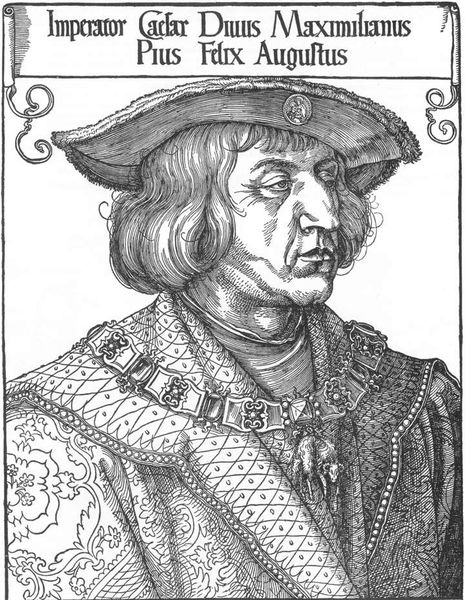
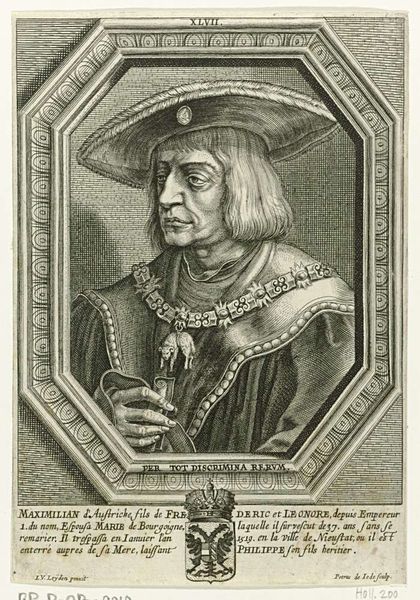
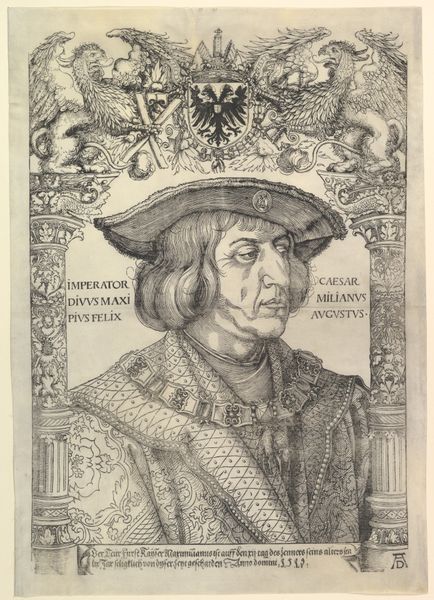
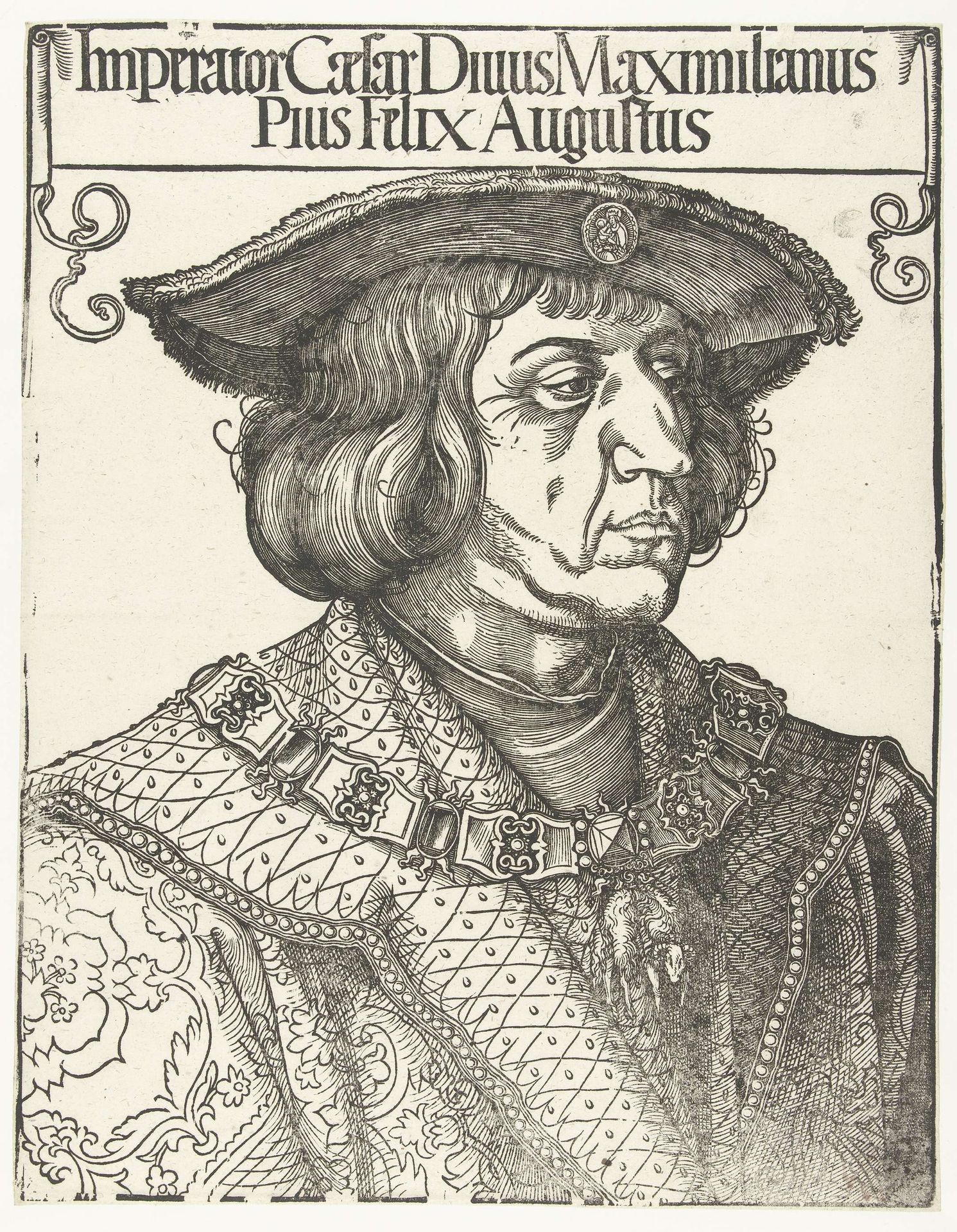
Portret van keizer Maximiliaan I (1459-1519)

Albrecht Durer
1471 - 1528Location
RijksmuseumListen to curator's interpretation
Curatorial notes
Albrecht Dürer made this woodcut portrait of Emperor Maximilian I in the early sixteenth century. It's an image brimming with the visual codes of power and the patronage of the Holy Roman Empire. Made in Germany, this portrait, with its elaborate textures and inscriptions, conveys authority. The inscription 'Imperator Caesar Divus Maximilianus Pius Felix Augustus' situates Maximilian in a line of great rulers. Dürer's work was deeply influenced by the political and economic structures of his time. The rise of printmaking allowed artists to disseminate images widely and build reputations beyond local circles. To understand this work better, we can look into the history of printmaking, the patronage system of the Holy Roman Empire, and the role of portraiture in constructing political identities. Art historians often draw on archival documents, letters, and other historical sources to understand the social conditions that shaped artistic production. This helps us to see how this portrait operates within a network of cultural and institutional forces.