c. 1550 - 1600
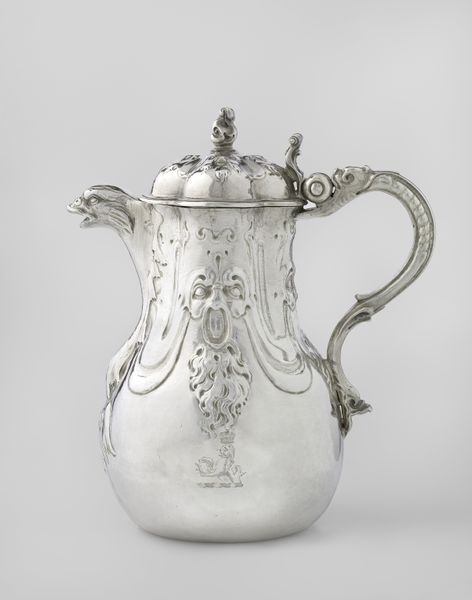
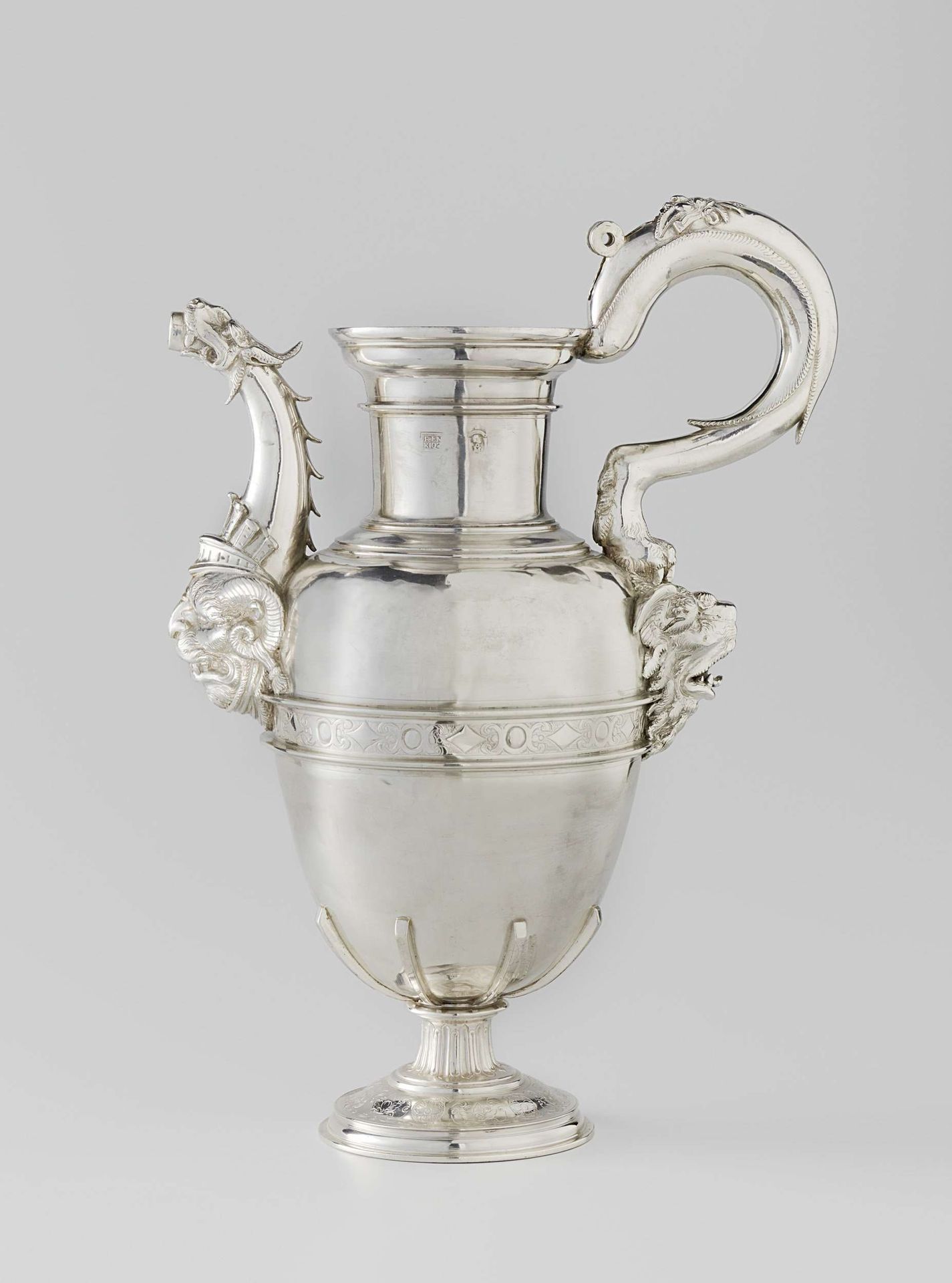
Piet Heyn ewer

Listen to curator's interpretation
Curatorial notes
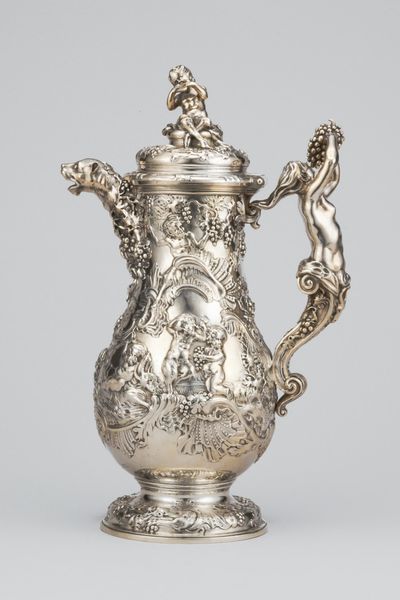
This silver ewer was crafted by Francisco Enriquez. Notice the dragon-shaped spout and handle, and the lion heads flanking the body of the jug. These aren't mere decorations; they're potent symbols drawn from a deep well of cultural memory. The dragon, a symbol of power and protection, stretches back to ancient mythologies across both Eastern and Western cultures. Here, it evokes a sense of guardianship, perhaps watching over the precious liquid it pours. Similarly, the lion heads, ancient emblems of courage and royalty, lend an air of regal authority to this utilitarian object. Consider how such motifs migrate and transform across centuries. The dragon, once a terrifying beast in medieval lore, becomes in other contexts a symbol of imperial might, and even a benevolent guardian. The lion heads, echoing classical sculptures of gods and emperors, suggest strength and nobility. These animal symbols resurface through time, continually reshaped by our collective consciousness. Their consistent reappearance speaks to a psychological need for connection to the past.