photography, albumen-print, architecture
#
asian-art
#
landscape
#
photography
#
ancient-mediterranean
#
albumen-print
#
architecture
Dimensions: image: 26.6 × 33.5 cm (10 1/2 × 13 3/16 in.) mount: 45.6 × 58.4 cm (17 15/16 × 23 in.)
Copyright: National Gallery of Art: CC0 1.0
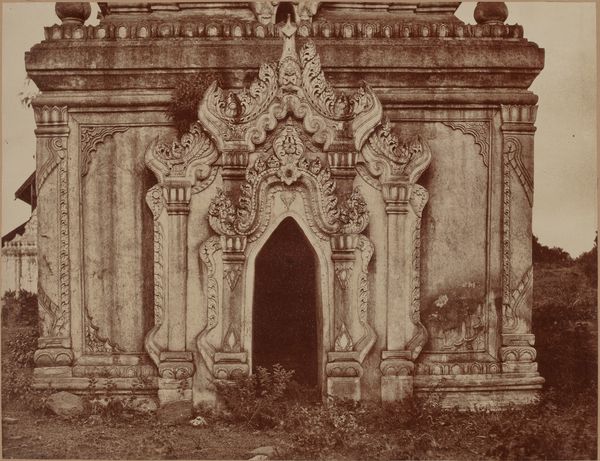
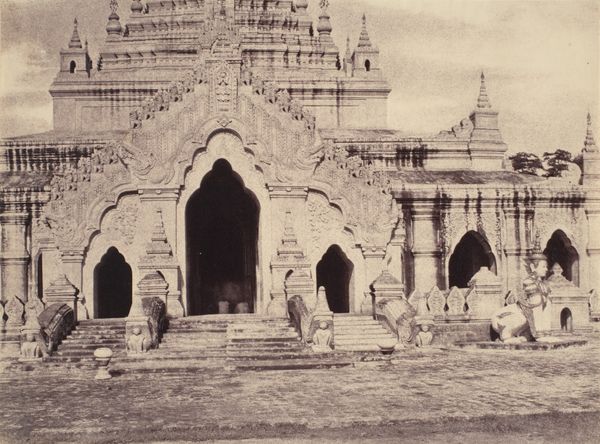
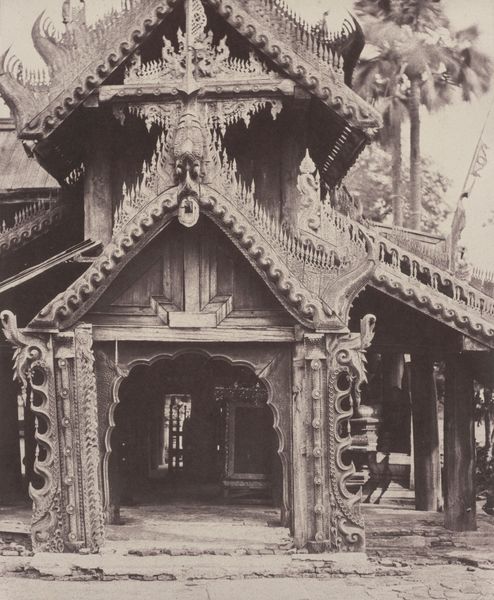
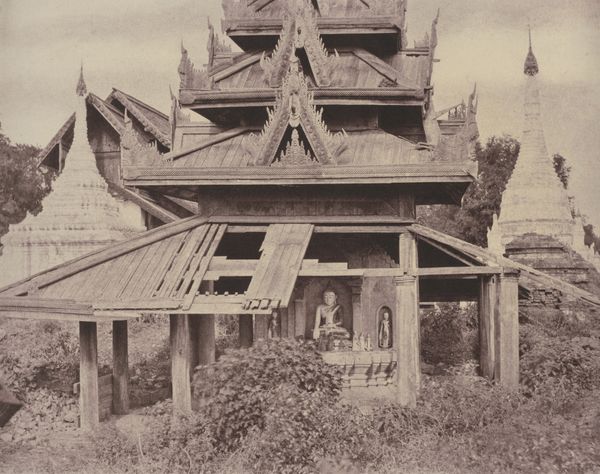
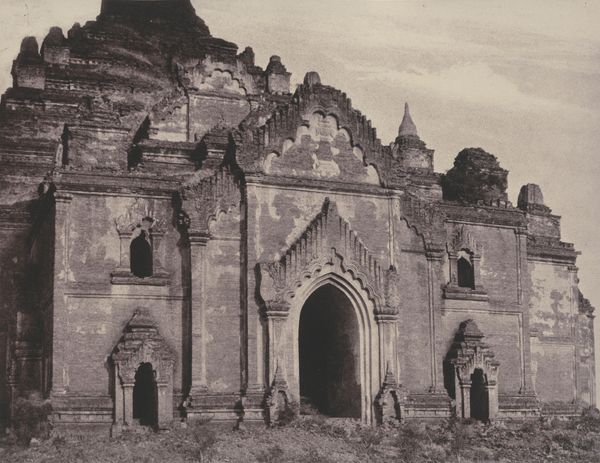
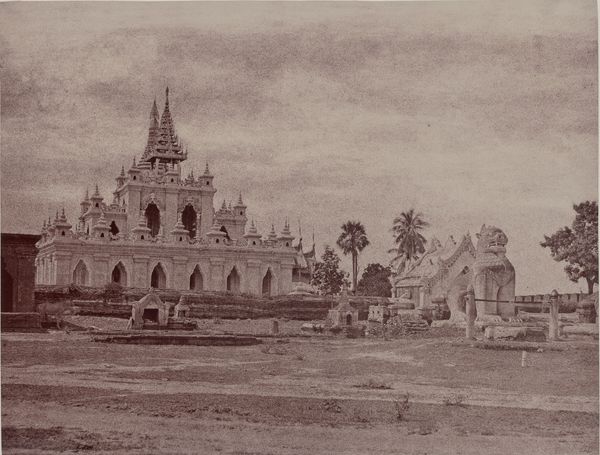
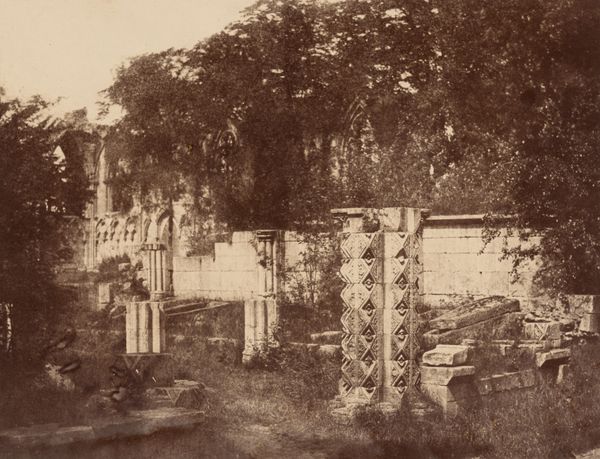
Linnaeus Tripe created this photograph of Toung-lay-lou-tiy Kyoung in Amerapoora using the wet collodion process, a technique that was state of the art at the time. Tripe's position as a Captain in the British army is critical to understanding this work, which emerges from the context of British colonialism in Burma. Consider what it meant for a British officer to photograph a Burmese temple. The image documents the architecture with a kind of cool detachment, yet the very act of documentation speaks to issues of power, control, and the gaze. Photography in the 19th century was often used as a tool of empire, categorizing and possessing foreign lands and peoples. While Tripe likely saw himself as an objective recorder, we might ask what was left out of the frame? How did his presence as a colonizer shape the scene he captured? In this image, we see not just a temple, but a complex intersection of cultures and histories.
Comments
No comments
Be the first to comment and join the conversation on the ultimate creative platform.
 Collect
 React
React Comment
More like this