About this artwork
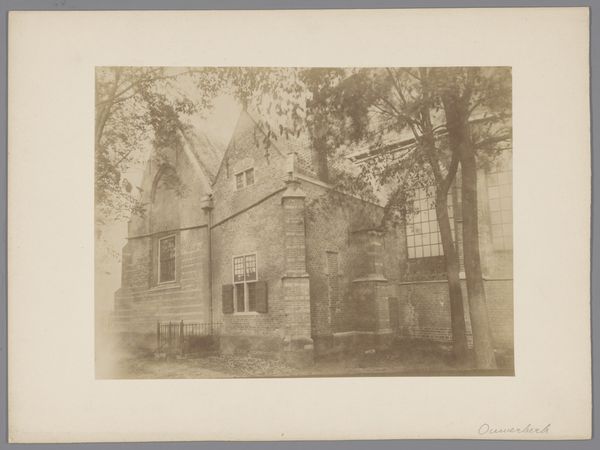
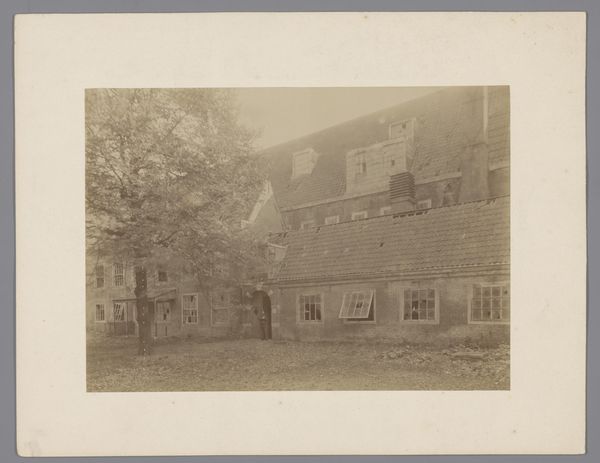
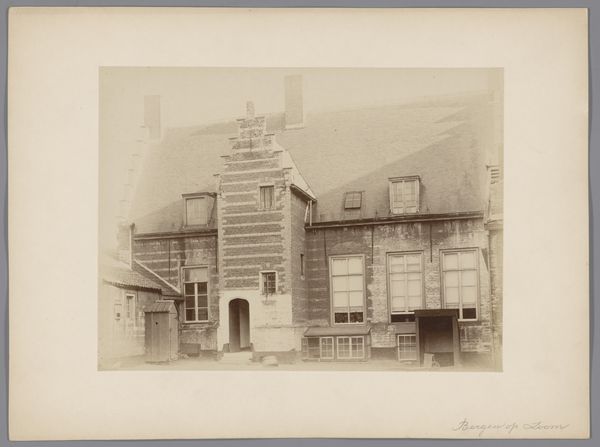
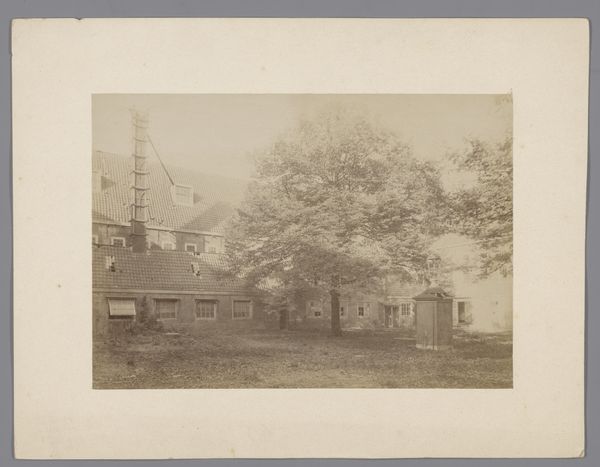
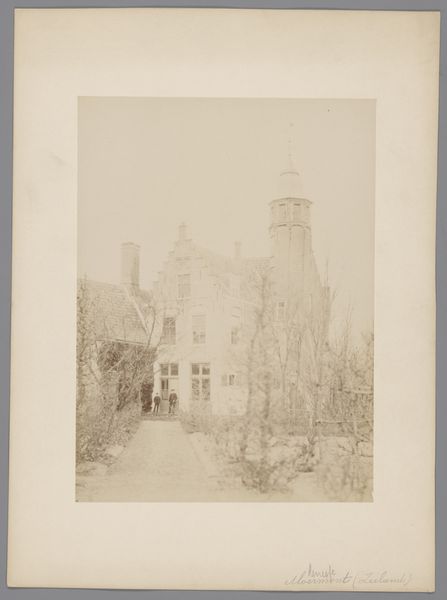
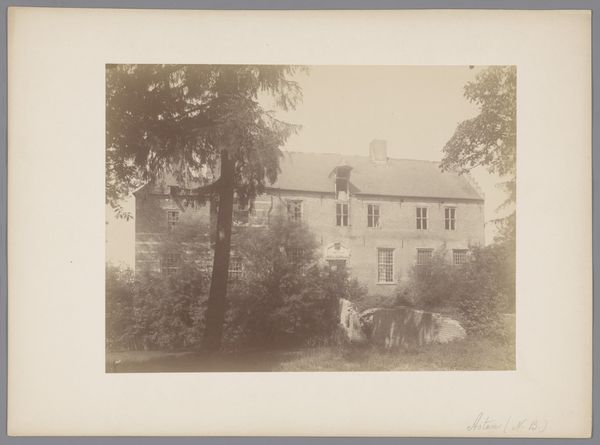
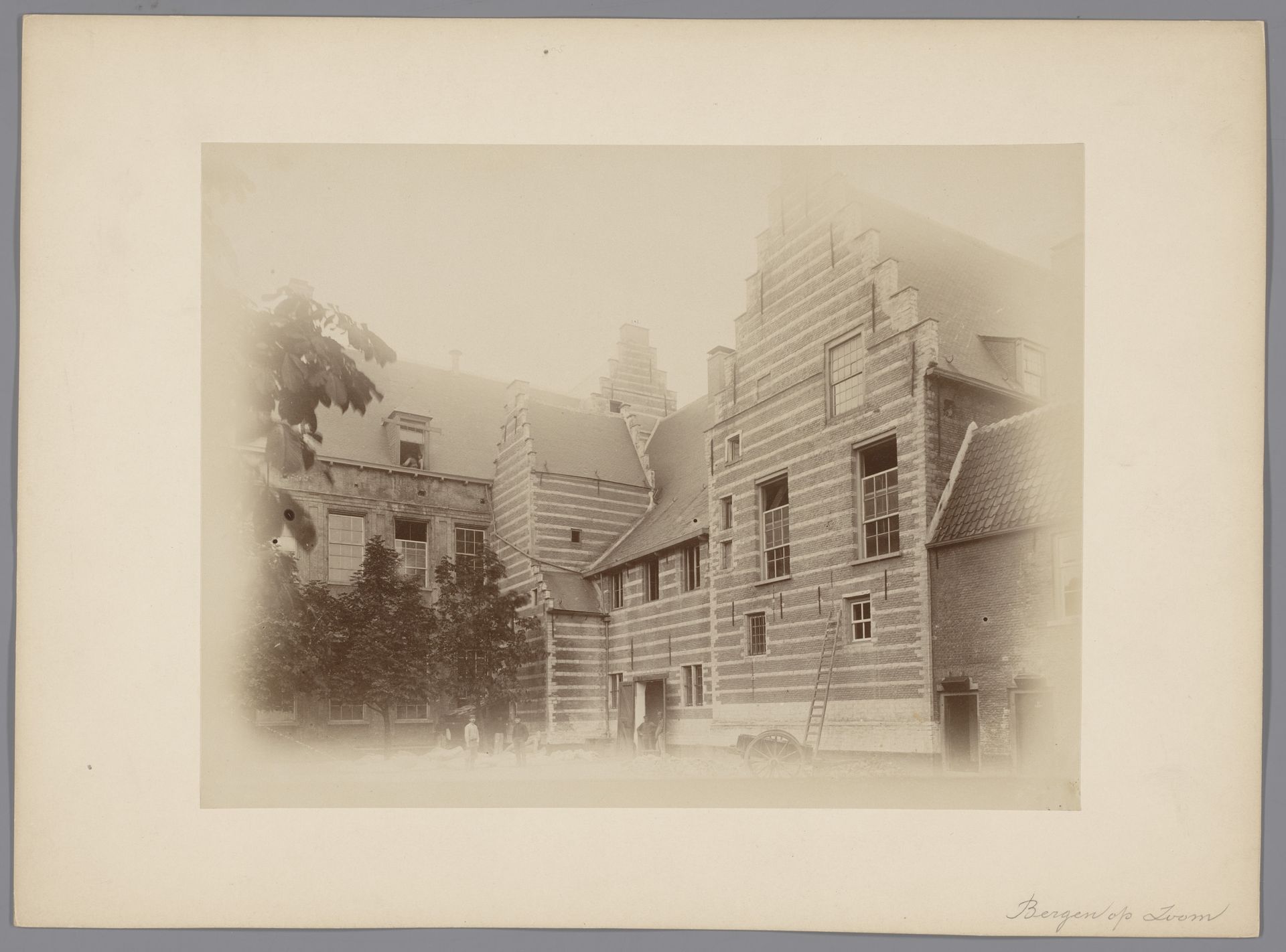
This photograph by an anonymous photographer from Monumentenzorg, shows the façade in the back yard of the Markiezenhof in Bergen op Zoom. The Markiezenhof is a late-gothic building that in the past housed the noble family Van Glymes. Now it is a museum and archive. It is intriguing that the photographer chose to capture the back of this important building. The image seems to show the building not as a monument but as a construction site. A ladder leans on the wall and the windows are not dressed. We can only guess at the social conditions that prompted the photographer to take the image. Perhaps they wanted to document the state of the building for archival reasons. If that is the case, this photograph helps us understand the role of institutions like the Markiezenhof, and how they take part in the documentation and preservation of Dutch history. To know more about the social life of buildings, a researcher might look at building permits, city archives, and architectural plans.
Gevel op de achterplaats van het Markiezenhof te Bergen op Zoom
1890

Artwork details
- Dimensions
- height 171 mm, width 233 mm
- Copyright
- Rijks Museum: Open Domain
Comments
Share your thoughts
About this artwork
This photograph by an anonymous photographer from Monumentenzorg, shows the façade in the back yard of the Markiezenhof in Bergen op Zoom. The Markiezenhof is a late-gothic building that in the past housed the noble family Van Glymes. Now it is a museum and archive. It is intriguing that the photographer chose to capture the back of this important building. The image seems to show the building not as a monument but as a construction site. A ladder leans on the wall and the windows are not dressed. We can only guess at the social conditions that prompted the photographer to take the image. Perhaps they wanted to document the state of the building for archival reasons. If that is the case, this photograph helps us understand the role of institutions like the Markiezenhof, and how they take part in the documentation and preservation of Dutch history. To know more about the social life of buildings, a researcher might look at building permits, city archives, and architectural plans.
Comments
Share your thoughts