About this artwork
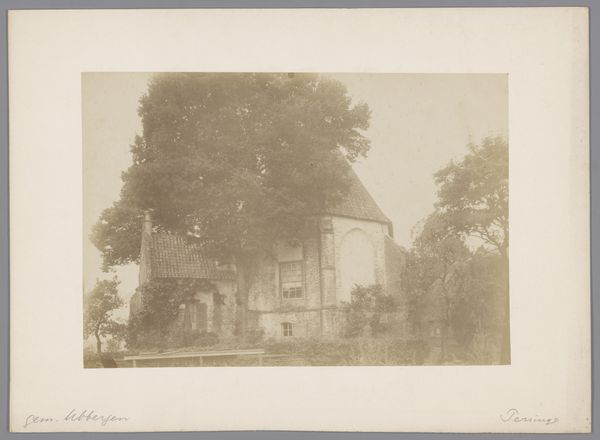
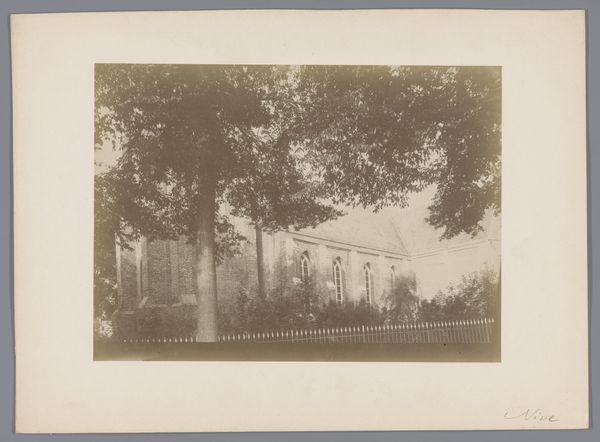
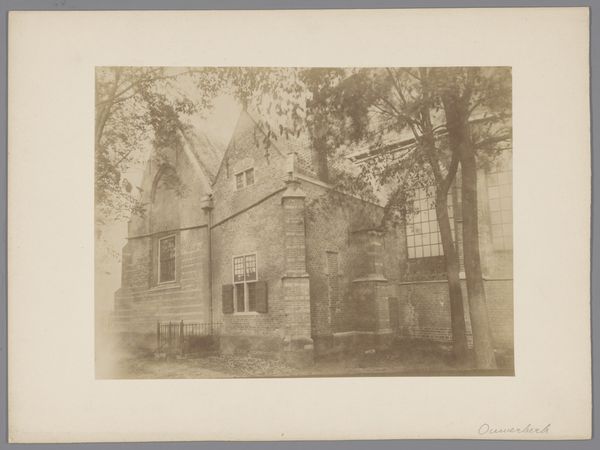
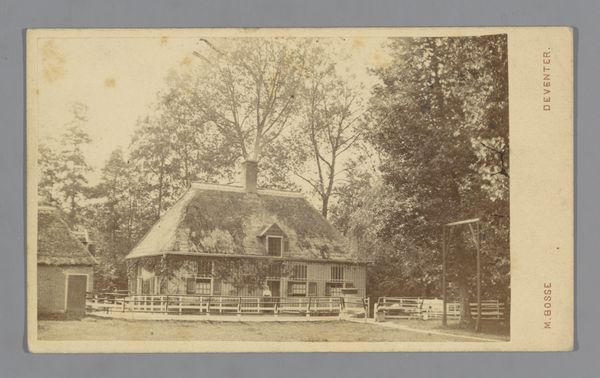
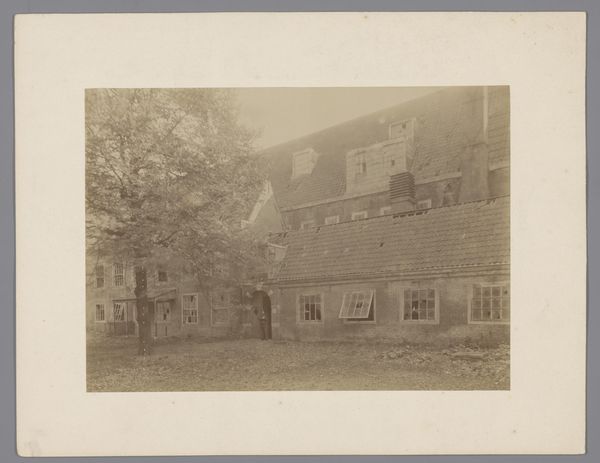
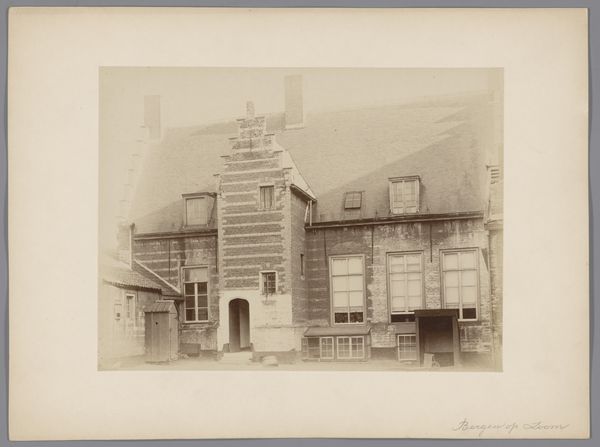
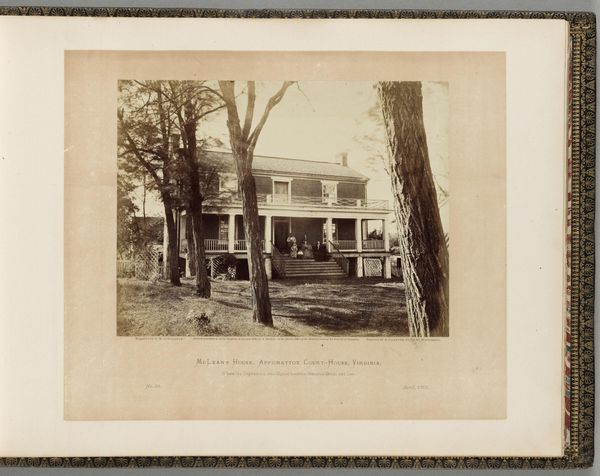
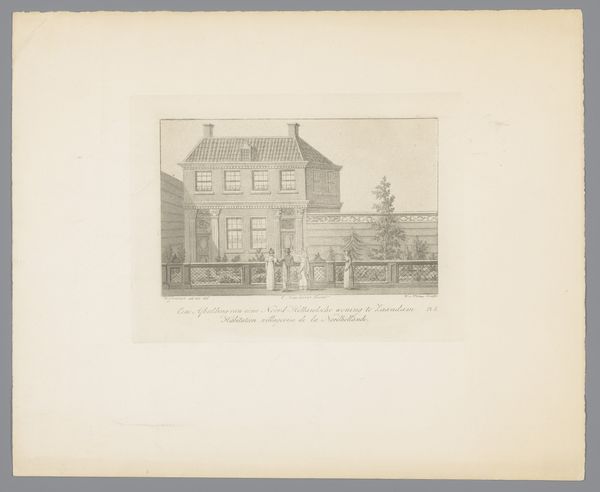
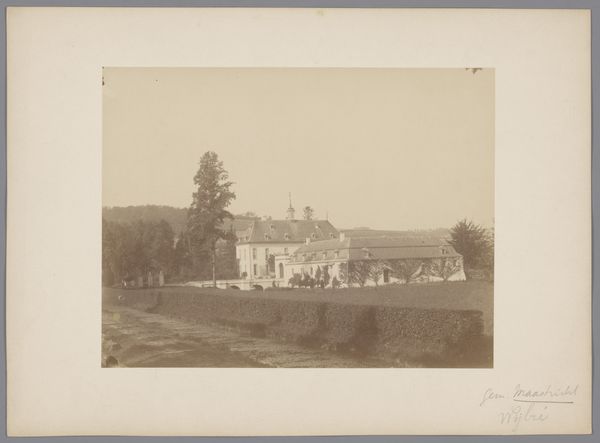
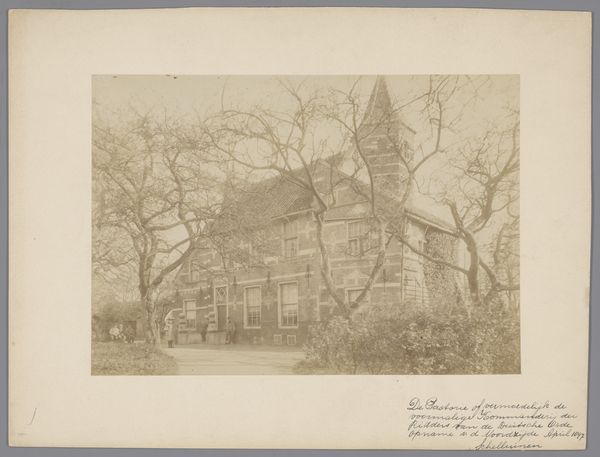
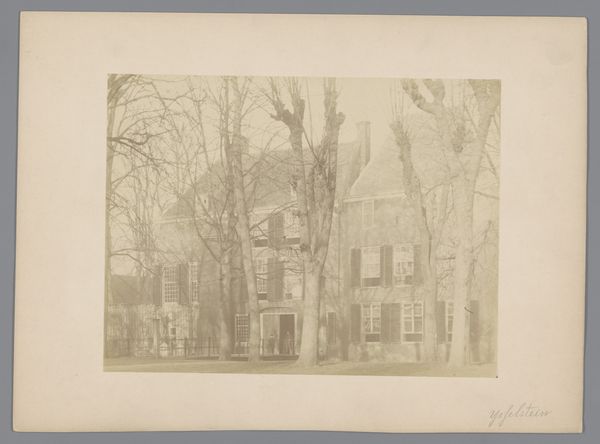
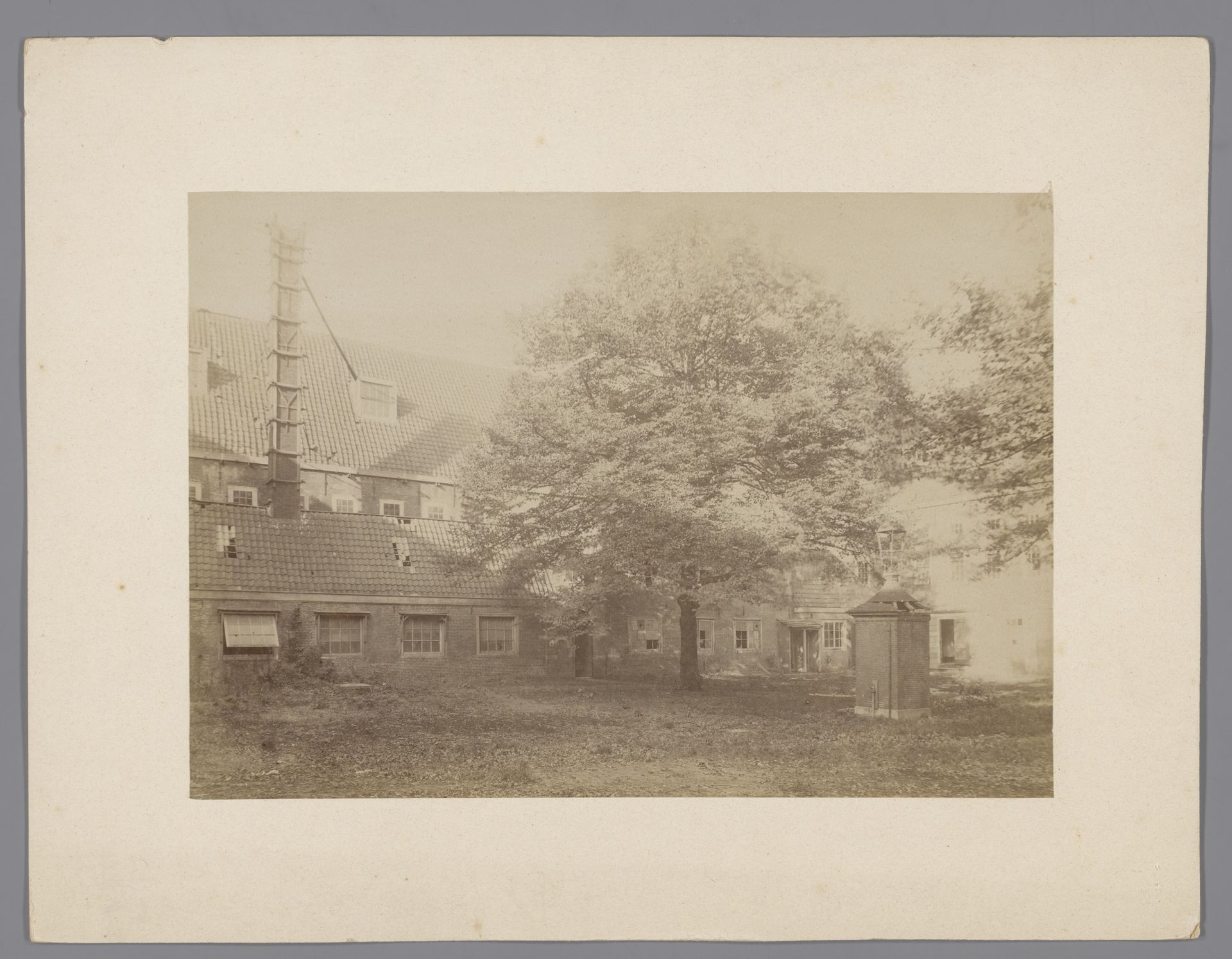
This photograph, by an anonymous photographer from Monumentenzorg, depicts the courtyard of the Buitengasthuis in Amsterdam. It’s a scene of institutional care, but also one that invites us to consider the politics of visibility and invisibility. Monumentenzorg, the Dutch agency for the preservation of historical buildings, played a key role in shaping perceptions of national heritage. The Buitengasthuis itself, originally a hospital for the poor and sick, embodies changing attitudes towards social welfare in the Netherlands. The building's architecture speaks of order and control, yet the overgrown courtyard hints at the complexities of institutional life. The photograph invites us to reflect on the relationship between public institutions and private lives. Further research into the archives of Monumentenzorg and the Buitengasthuis would reveal the stories of those who lived and worked here, and shed light on the social and cultural forces that shaped their experiences.
Binnenplaats van het Buitengasthuis te Amsterdam 1900

Artwork details
- Dimensions
- height 164 mm, width 234 mm
- Copyright
- Rijks Museum: Open Domain
Comments
No comments
About this artwork
This photograph, by an anonymous photographer from Monumentenzorg, depicts the courtyard of the Buitengasthuis in Amsterdam. It’s a scene of institutional care, but also one that invites us to consider the politics of visibility and invisibility. Monumentenzorg, the Dutch agency for the preservation of historical buildings, played a key role in shaping perceptions of national heritage. The Buitengasthuis itself, originally a hospital for the poor and sick, embodies changing attitudes towards social welfare in the Netherlands. The building's architecture speaks of order and control, yet the overgrown courtyard hints at the complexities of institutional life. The photograph invites us to reflect on the relationship between public institutions and private lives. Further research into the archives of Monumentenzorg and the Buitengasthuis would reveal the stories of those who lived and worked here, and shed light on the social and cultural forces that shaped their experiences.
Comments
No comments