About this artwork
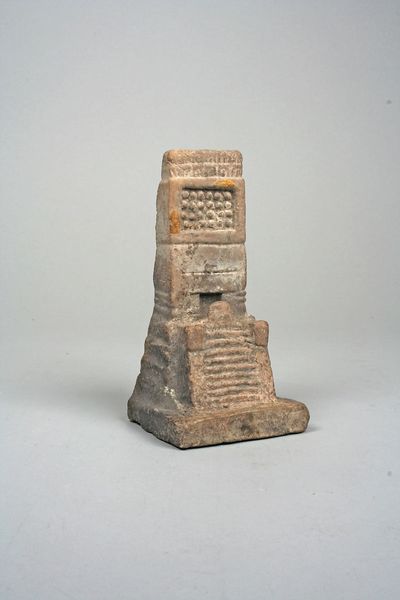
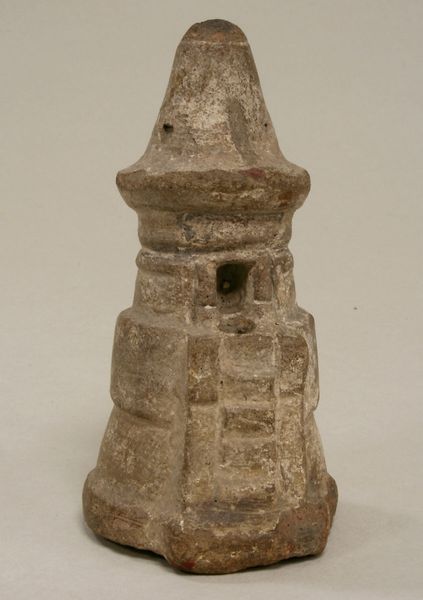
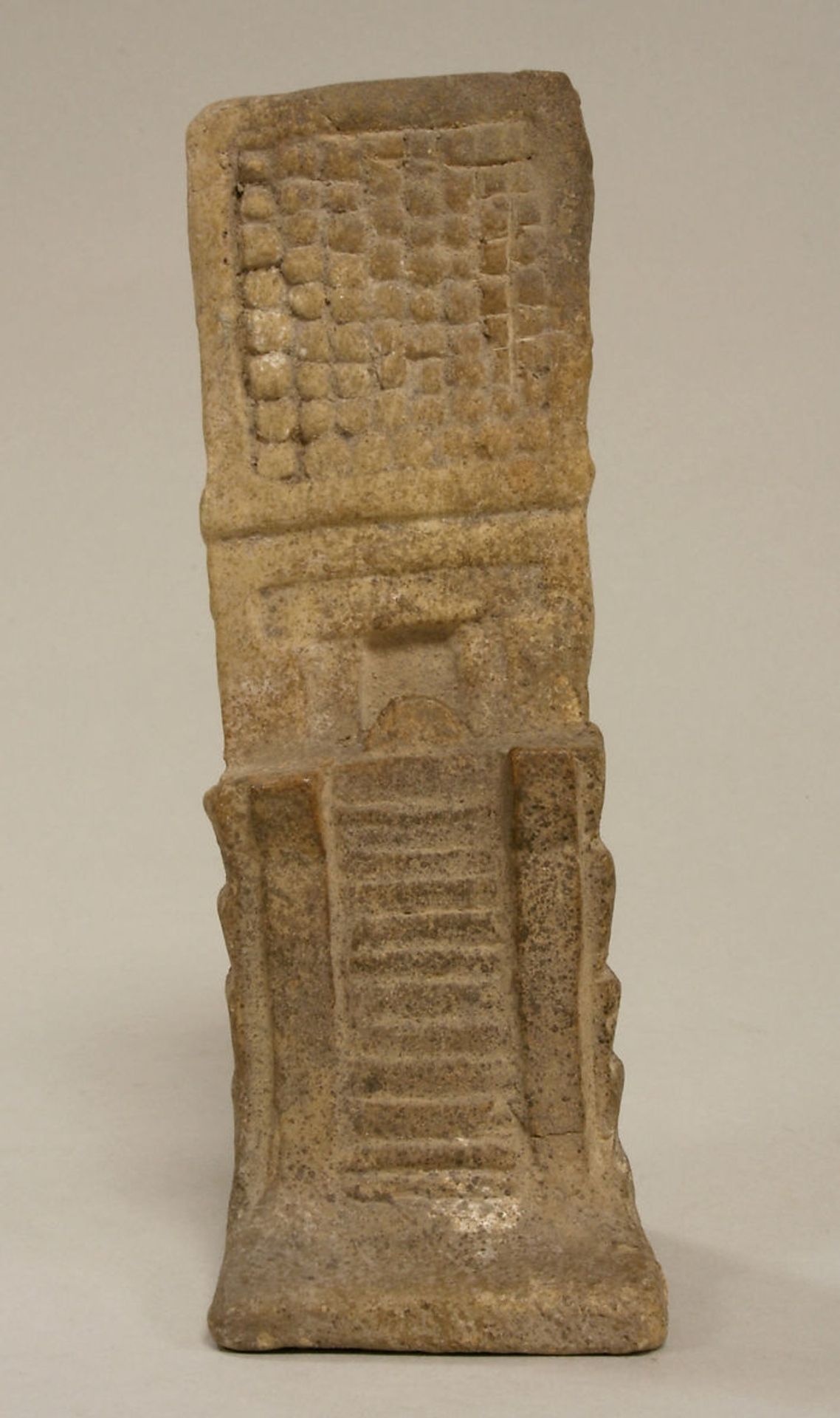
This Aztec Temple Model, likely crafted between 1300 and 1521, presents a rich iconography embedded in its very structure. Notice the steep staircase leading to the temple's entrance. Staircases, like those in the ziggurats of ancient Mesopotamia, symbolize a connection between the earthly and divine realms. The grid-like pattern on the temple's facade reminds me of similar motifs found across cultures—perhaps the checkerboard patterns of ancient games or the structured layouts of early city plans. Such patterns evoke the human desire to impose order on the chaos of the world. The temple, therefore, becomes a microcosm of the cosmos, a place where one can ascend to a higher state of being, a journey marked by the emotional intensity of religious experience. Indeed, such architectural forms and symbolic motifs serve as powerful reminders of humanity's enduring quest for meaning and spiritual transcendence.
Temple Model
1521

Aztec Art
1300 - 1521
The Metropolitan Museum of Art
Metropolitan Museum of Art (Met), New York City, NY, USArtwork details
- Medium
- sculpture, terracotta
- Location
- Metropolitan Museum of Art (Met), New York City, NY, US
- Copyright
- Public domain
Tags
sculpture
sculpture
terracotta
indigenous-americas
Comments
Be the first to share your thoughts about this work.
About this artwork
This Aztec Temple Model, likely crafted between 1300 and 1521, presents a rich iconography embedded in its very structure. Notice the steep staircase leading to the temple's entrance. Staircases, like those in the ziggurats of ancient Mesopotamia, symbolize a connection between the earthly and divine realms. The grid-like pattern on the temple's facade reminds me of similar motifs found across cultures—perhaps the checkerboard patterns of ancient games or the structured layouts of early city plans. Such patterns evoke the human desire to impose order on the chaos of the world. The temple, therefore, becomes a microcosm of the cosmos, a place where one can ascend to a higher state of being, a journey marked by the emotional intensity of religious experience. Indeed, such architectural forms and symbolic motifs serve as powerful reminders of humanity's enduring quest for meaning and spiritual transcendence.
Comments
Be the first to share your thoughts about this work.