![[Coverlet - section] by Cornelius Christoffels](https://d2w8kbdekdi1gv.cloudfront.net/eyJidWNrZXQiOiAiYXJ0ZXJhLWltYWdlcy1idWNrZXQiLCAia2V5IjogImFydHdvcmtzLzJlOWMwYTNjLTM1MjQtNDg0OS1hODJiLTBmZWEzNjkxZmViOS8yZTljMGEzYy0zNTI0LTQ4NDktYTgyYi0wZmVhMzY5MWZlYjlfZnVsbC5qcGciLCAiZWRpdHMiOiB7InJlc2l6ZSI6IHsid2lkdGgiOiAxOTIwLCAiaGVpZ2h0IjogMTkyMCwgImZpdCI6ICJpbnNpZGUifX19)
About this artwork
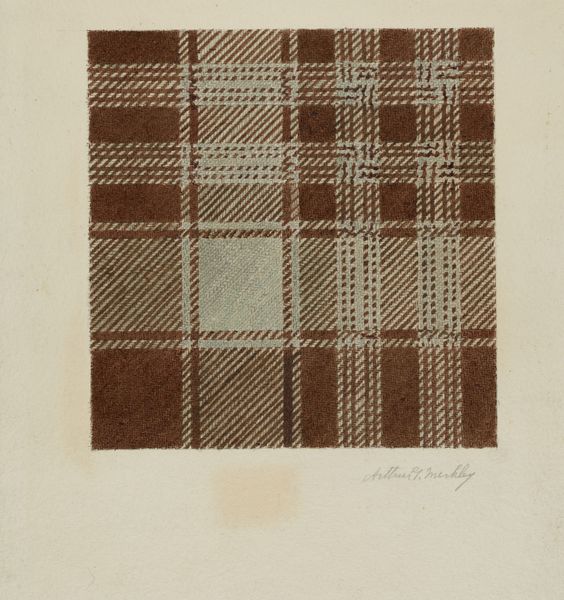
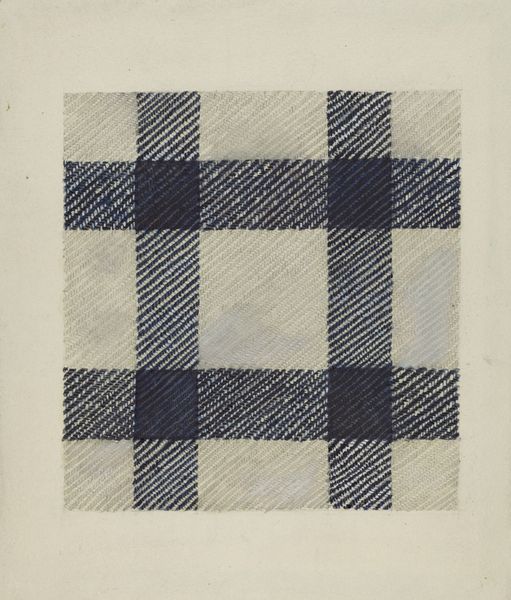
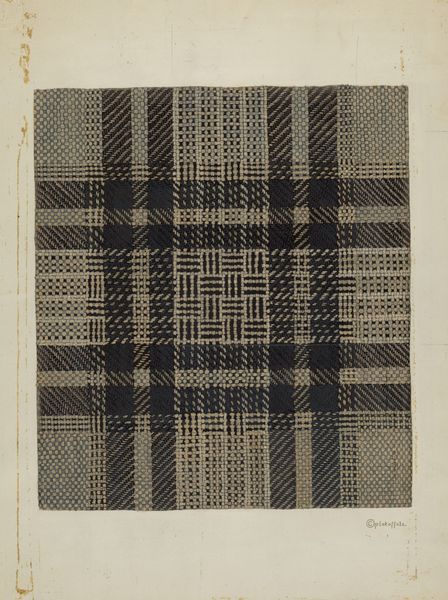
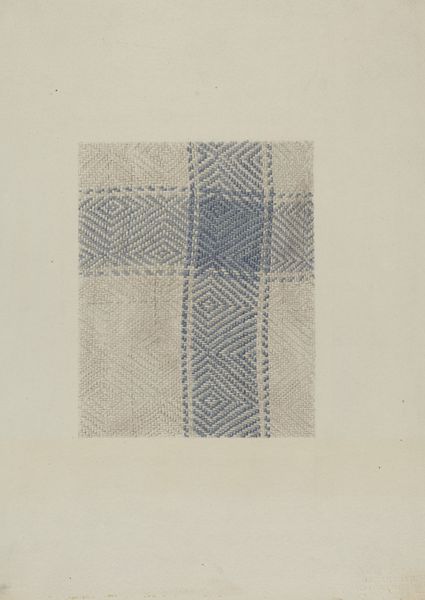
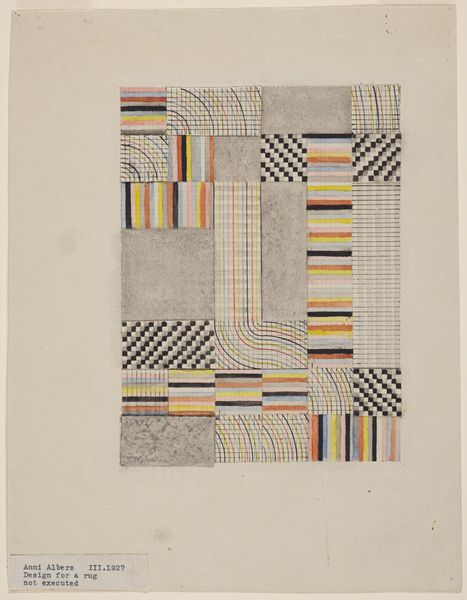
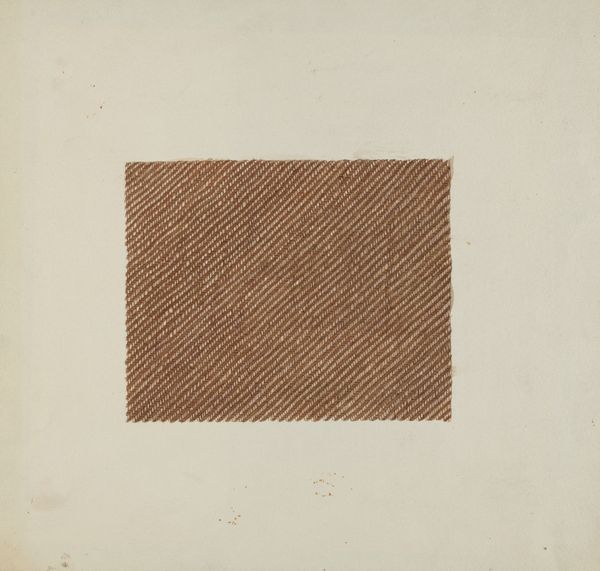
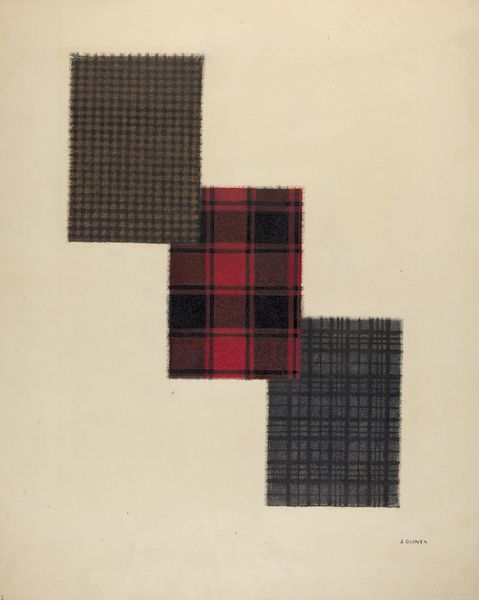
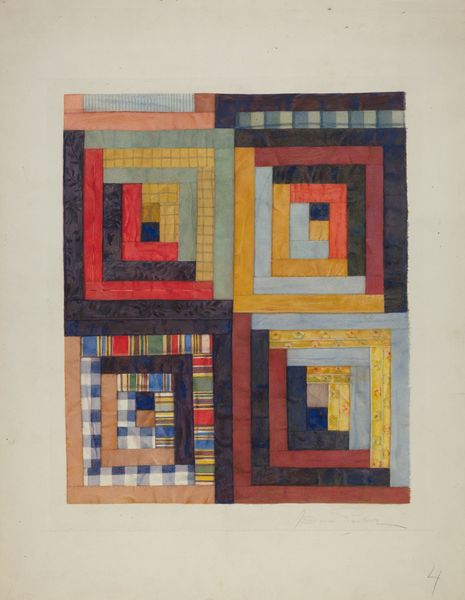
Cornelius Christoffels made this section of a coverlet with some kind of monochrome printing. The texture is so neat, almost mathematically precise. Look at how the intersecting lines create these optical illusions, the way they seem to advance and recede depending on how you look at them. It’s like a Mondrian gone haywire, pushing abstraction to the brink of chaos. What I find interesting is that this is a pattern for a coverlet, and yet it's rendered so flat, a pure surface without depth. It reminds me of the work of Anni Albers, who also explored the intersection of weaving and abstraction, and also Agnes Martin. I think what all three artists show us is that art isn't about answers, but about embracing ambiguity, and finding new ways to see the world.
[Coverlet - section]
c. 1940


Artwork details
- Medium
- textile, paper
- Dimensions
- sheet: 27.94 × 34.29 cm (11 × 13 1/2 in.)
- Copyright
- National Gallery of Art: CC0 1.0
Tags
Comments
Share your thoughts
About this artwork
Cornelius Christoffels made this section of a coverlet with some kind of monochrome printing. The texture is so neat, almost mathematically precise. Look at how the intersecting lines create these optical illusions, the way they seem to advance and recede depending on how you look at them. It’s like a Mondrian gone haywire, pushing abstraction to the brink of chaos. What I find interesting is that this is a pattern for a coverlet, and yet it's rendered so flat, a pure surface without depth. It reminds me of the work of Anni Albers, who also explored the intersection of weaving and abstraction, and also Agnes Martin. I think what all three artists show us is that art isn't about answers, but about embracing ambiguity, and finding new ways to see the world.
Comments
Share your thoughts