About this artwork
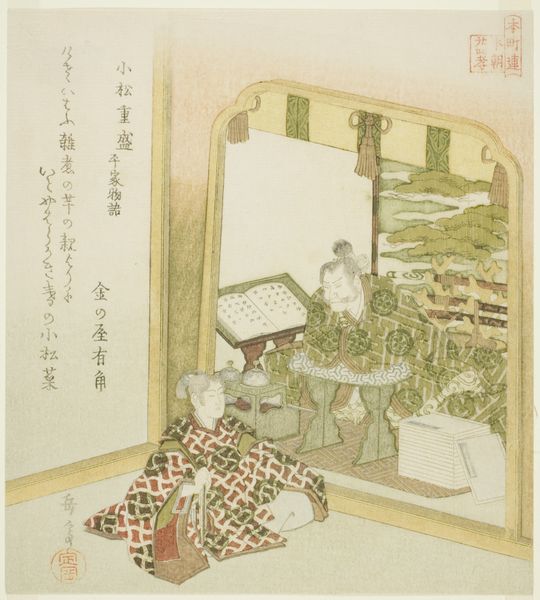
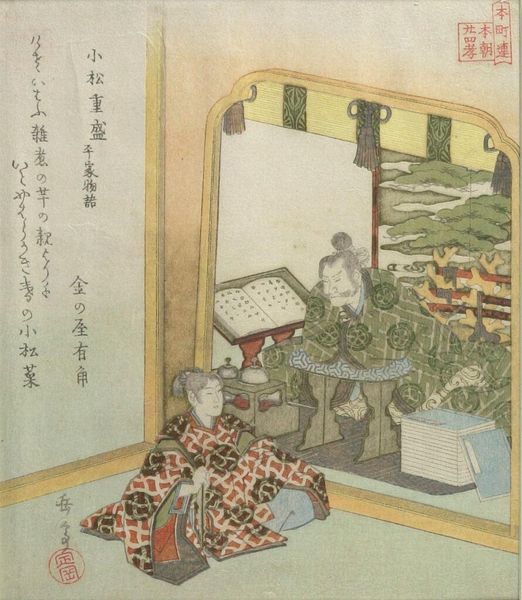
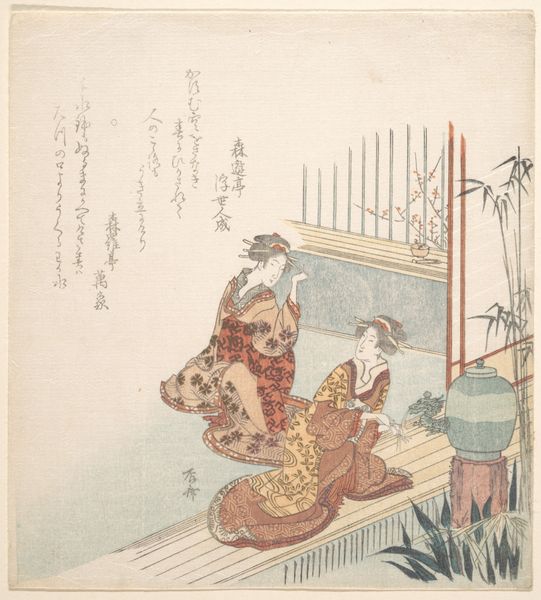
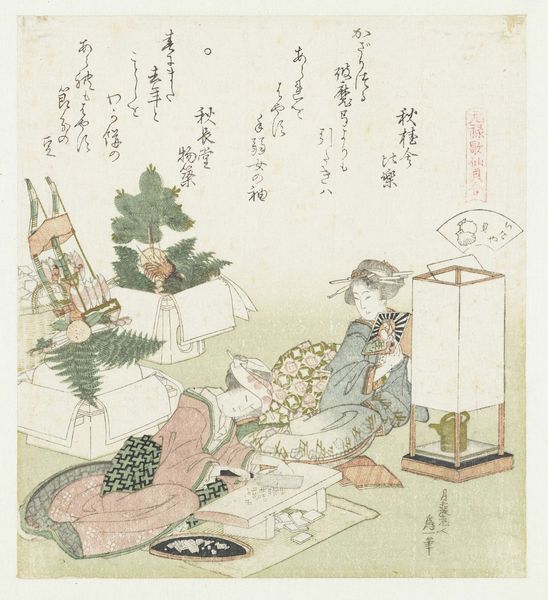
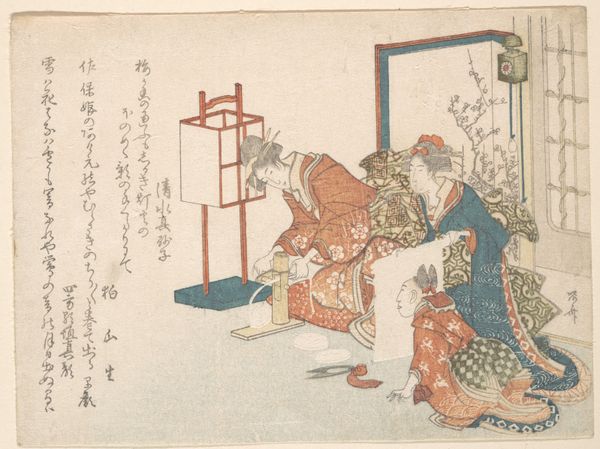
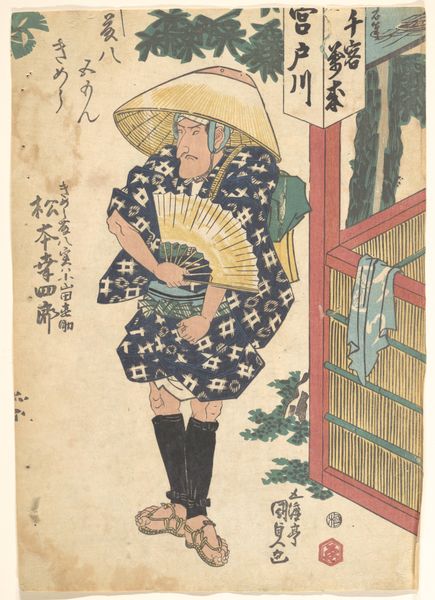
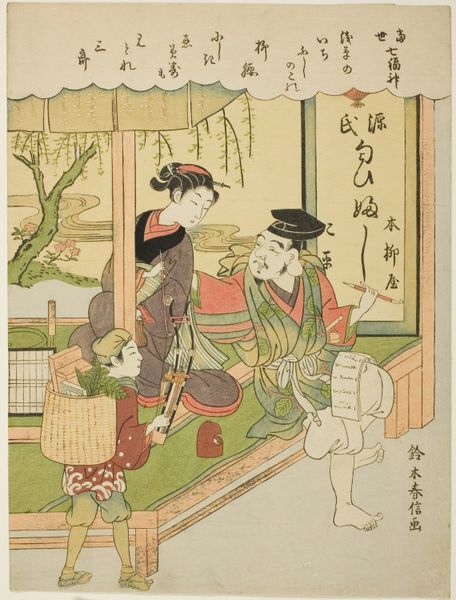
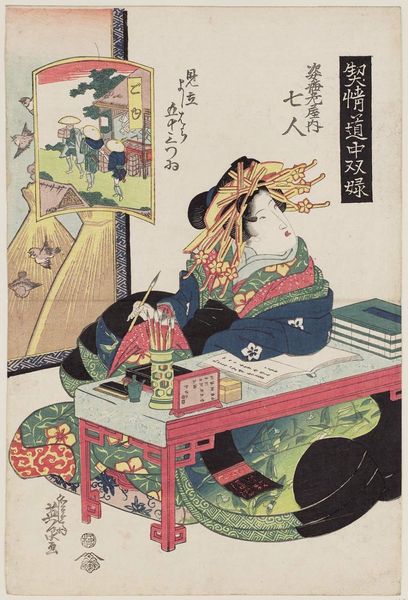
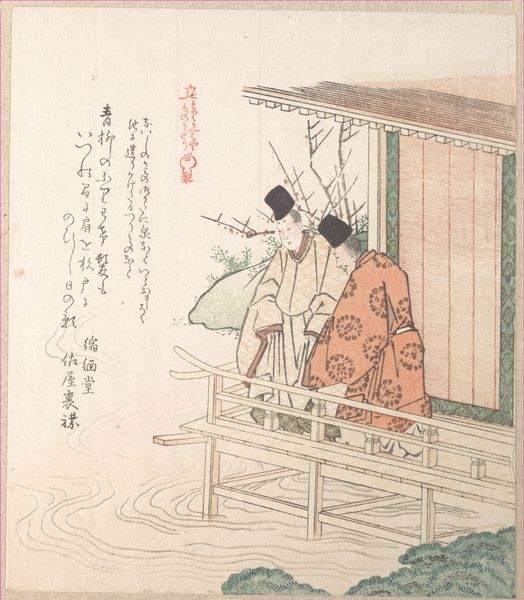
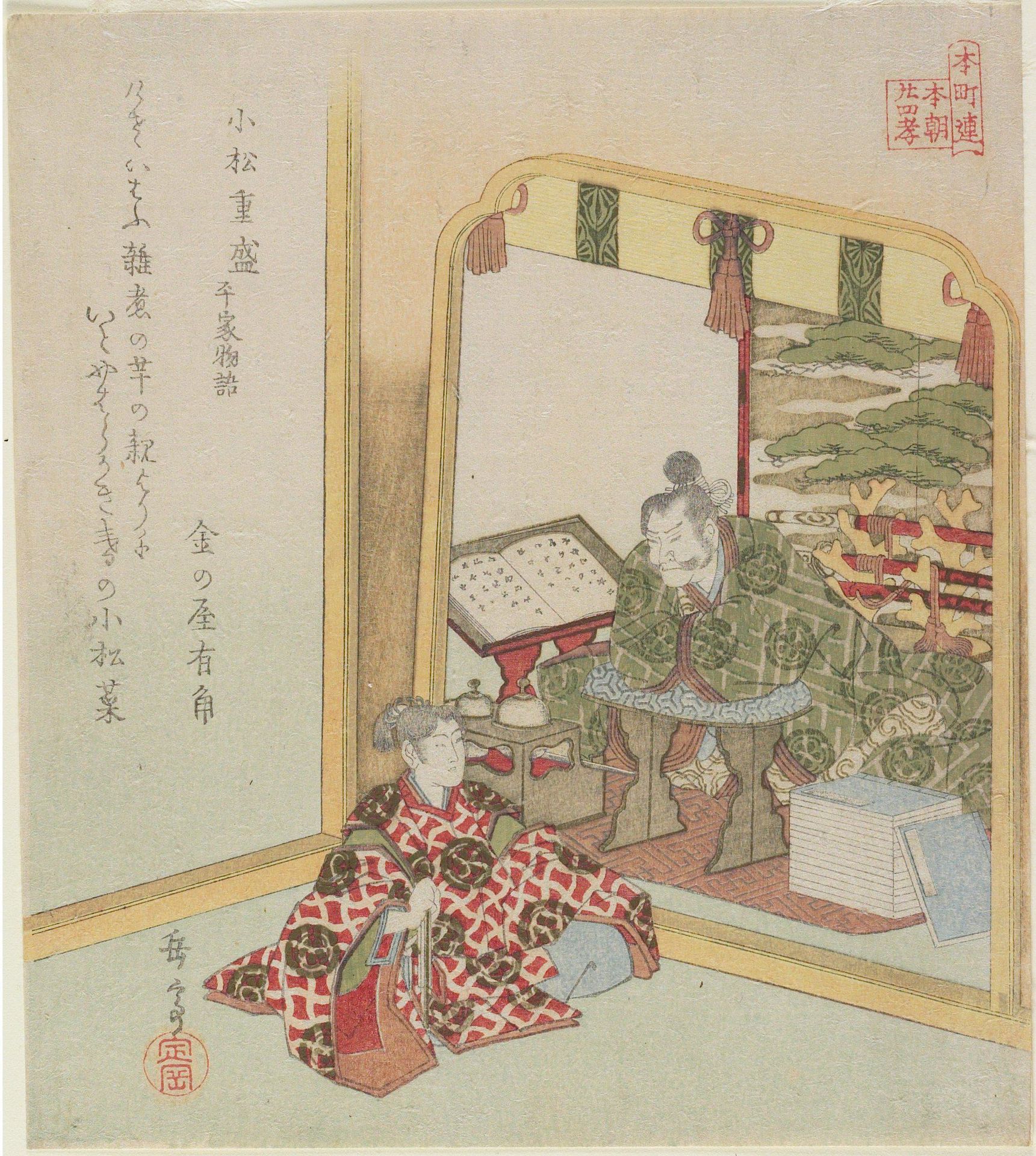
Yashima Gakutei created this print depicting Komatsu Shigemori from the Tales of Heike, using woodblock printing, a quintessential technique of the Edo period in Japan. The process begins with a drawing, then meticulously carved onto woodblocks—one for each color. The blocks are then inked and pressed onto paper, layering colors to create the final image. Notice how each element is sharply delineated, a testament to the skill of the printmaker. The flat planes of color and the distinct outlines are not just aesthetic choices; they are direct results of this labor-intensive method. The social context here is also important: woodblock prints made art accessible, connecting the broader public to narratives like the Tales of Heike. The making is integral to its meaning. It's a powerful reminder that art is not just about the final image but also the processes and social frameworks that bring it into being.
Komatsu Shigemori from the Tales of Heike
c. 1820


Artwork details
- Medium
- print, ink
- Dimensions
- 8 1/4 x 7 3/16 in. (20.9 x 18.3 cm) (image, sheet)
- Location
- Minneapolis Institute of Art
- Copyright
- Public Domain
Tags
Comments
Share your thoughts
About this artwork
Yashima Gakutei created this print depicting Komatsu Shigemori from the Tales of Heike, using woodblock printing, a quintessential technique of the Edo period in Japan. The process begins with a drawing, then meticulously carved onto woodblocks—one for each color. The blocks are then inked and pressed onto paper, layering colors to create the final image. Notice how each element is sharply delineated, a testament to the skill of the printmaker. The flat planes of color and the distinct outlines are not just aesthetic choices; they are direct results of this labor-intensive method. The social context here is also important: woodblock prints made art accessible, connecting the broader public to narratives like the Tales of Heike. The making is integral to its meaning. It's a powerful reminder that art is not just about the final image but also the processes and social frameworks that bring it into being.
Comments
Share your thoughts