About this artwork
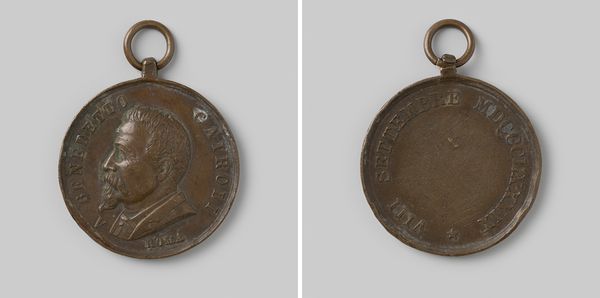
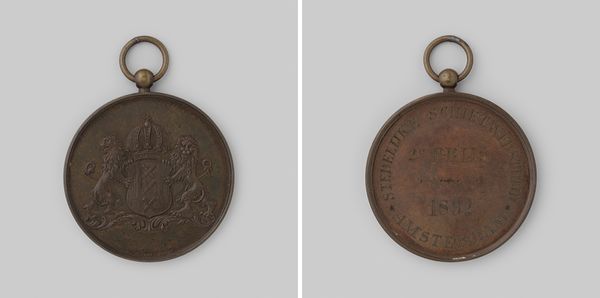
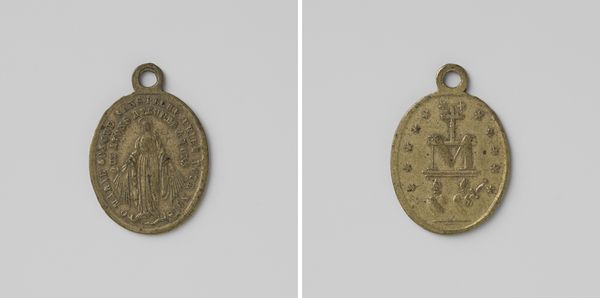
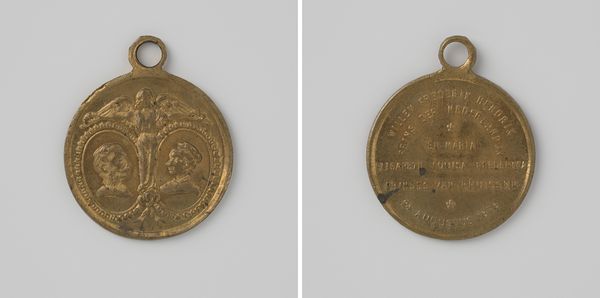
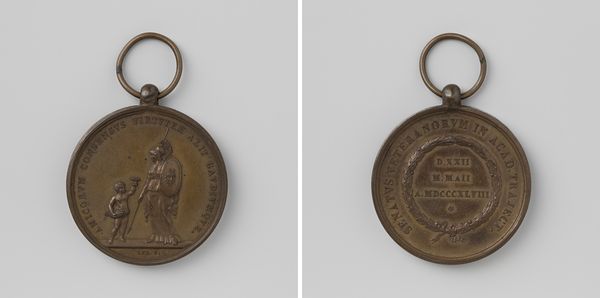
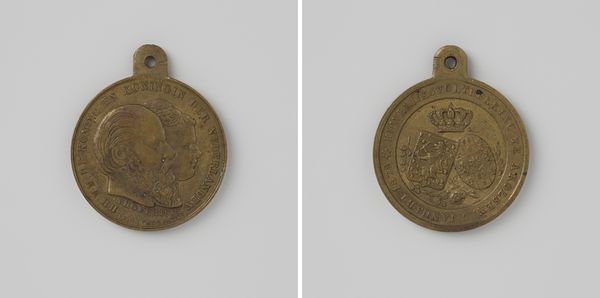
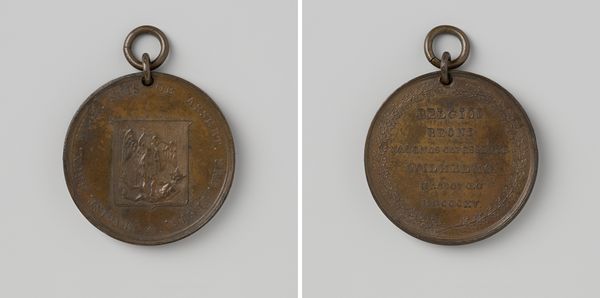
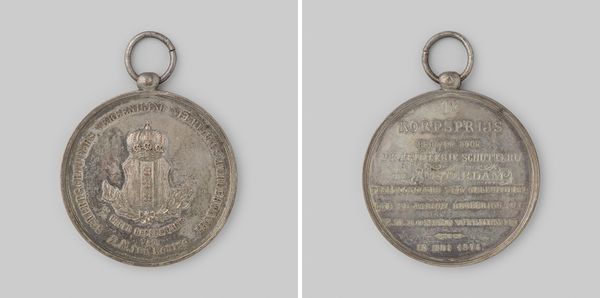
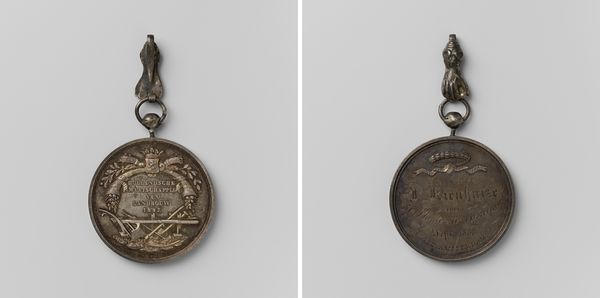
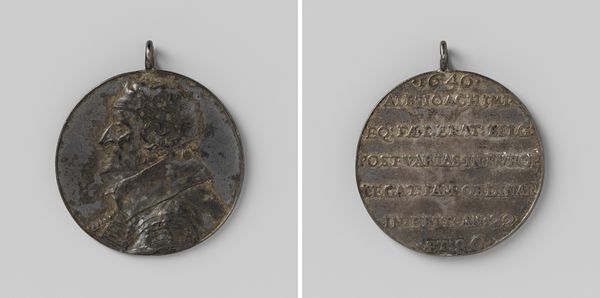
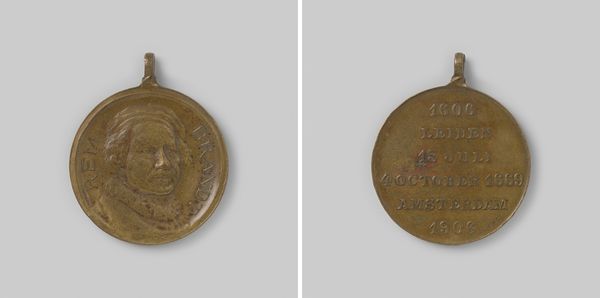
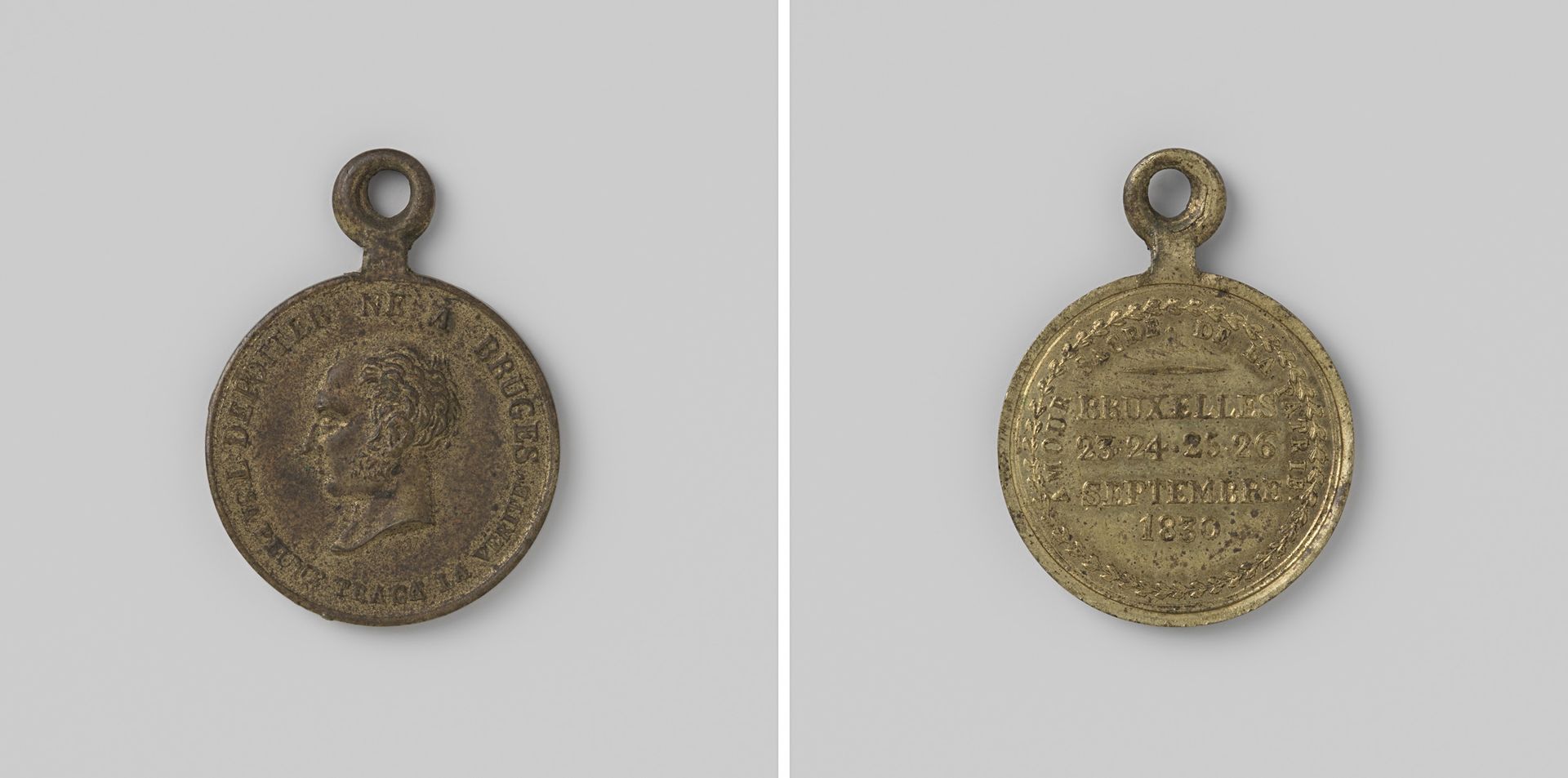
This medal commemorates the September Days in Brussels, honoring Louis Joseph de Potter. A laurel wreath encircles the inscriptions, a motif tracing back to ancient Greece, where it symbolized victory and honor, adorning heroes and gods alike. The profile portrait of de Potter bears a striking resemblance to classical busts of Roman senators, evoking notions of civic virtue and leadership. Such imagery draws on a deep well of collective memory, linking de Potter to a lineage of revered figures throughout history. Consider how these symbols tap into our subconscious associations, imbuing de Potter with an aura of authority and moral rectitude. The use of classical symbols here is far from coincidental. It's a conscious invocation of historical precedent, a way of legitimizing the present by grounding it in the past. The medal becomes more than just a commemorative object; it transforms into a potent symbol of continuity, resonating with the cyclical rhythms of history. Its power lies not just in what it shows, but in what it evokes.
Septemberdagen te Brussel, ter ere van Louis Joseph de Potter
1830

Anonymous
@anonymousLocation
RijksmuseumArtwork details
- Medium
- metal, sculpture
- Dimensions
- diameter 2.9 cm, diameter 2.2 cm, weight 6.43 gr
- Location
- Rijksmuseum
- Copyright
- Rijks Museum: Open Domain
Tags
Comments
Share your thoughts
About this artwork
This medal commemorates the September Days in Brussels, honoring Louis Joseph de Potter. A laurel wreath encircles the inscriptions, a motif tracing back to ancient Greece, where it symbolized victory and honor, adorning heroes and gods alike. The profile portrait of de Potter bears a striking resemblance to classical busts of Roman senators, evoking notions of civic virtue and leadership. Such imagery draws on a deep well of collective memory, linking de Potter to a lineage of revered figures throughout history. Consider how these symbols tap into our subconscious associations, imbuing de Potter with an aura of authority and moral rectitude. The use of classical symbols here is far from coincidental. It's a conscious invocation of historical precedent, a way of legitimizing the present by grounding it in the past. The medal becomes more than just a commemorative object; it transforms into a potent symbol of continuity, resonating with the cyclical rhythms of history. Its power lies not just in what it shows, but in what it evokes.
Comments
Share your thoughts