About this artwork
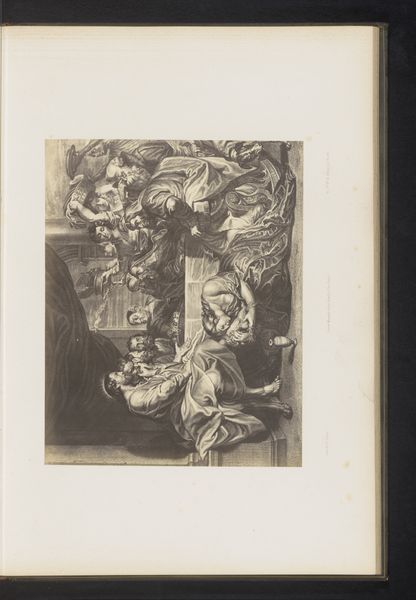
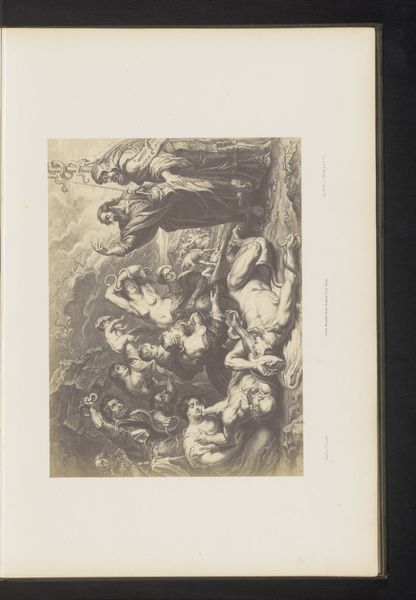
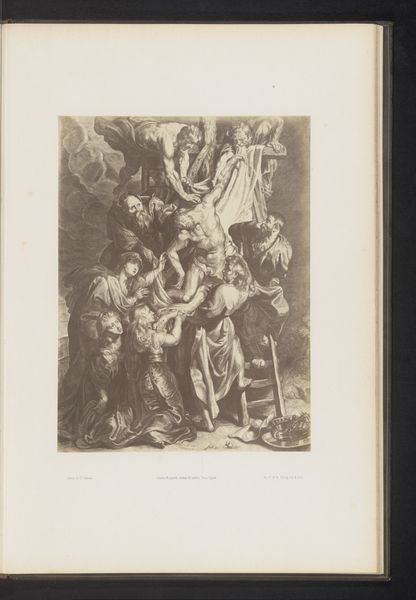
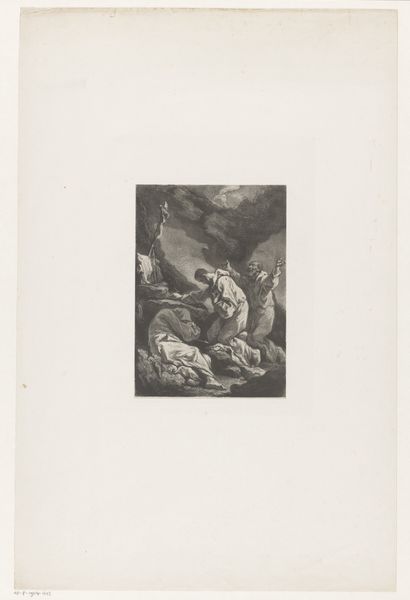
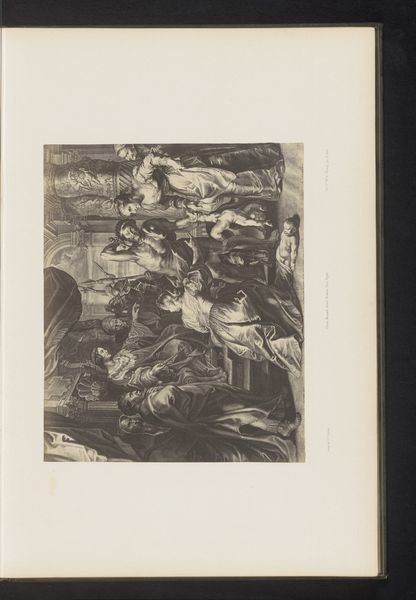
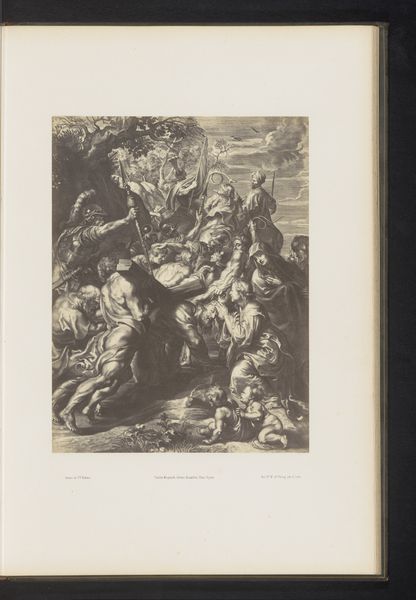
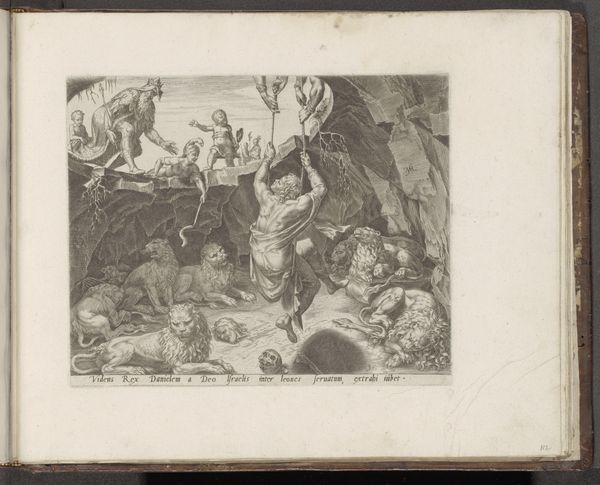
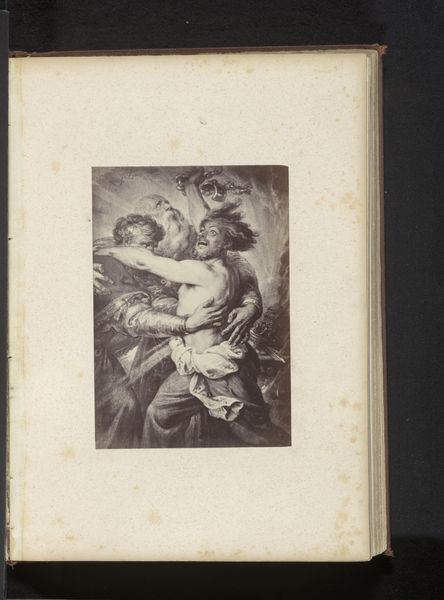
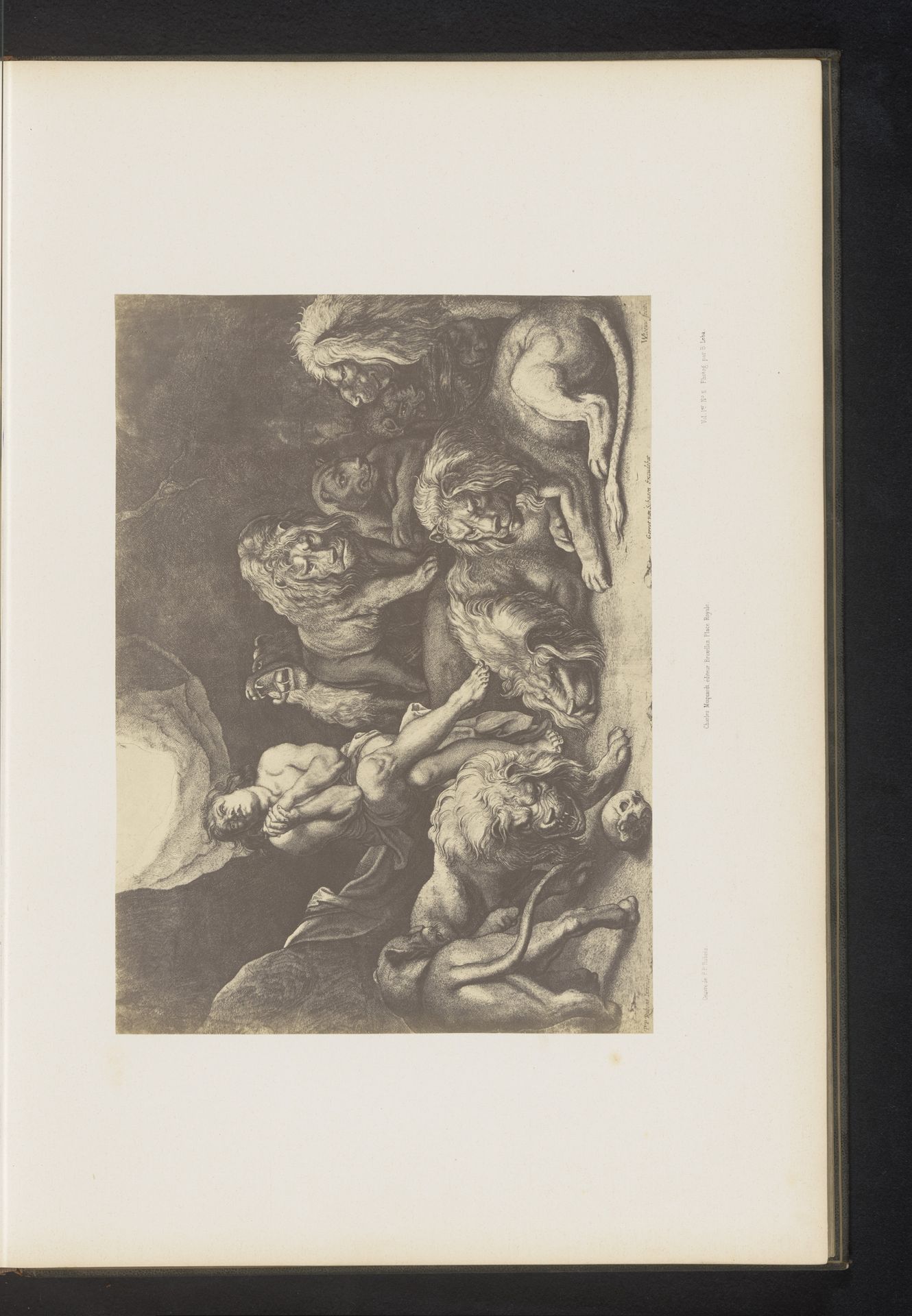
This photogravure by Jean Louis Bargignac reproduces W. de Leeuw's engraving after Peter Paul Rubens's depiction of Daniel in the lions' den. This scene, drawn from the Hebrew Bible, often symbolizes faith and divine protection amidst persecution, reflecting themes relevant across centuries and cultures. Bargignac, working in the 19th century, was part of a burgeoning industry that reproduced artworks for wider distribution. These reproductions democratized access to art but also raise questions about originality and authenticity. Rubens’s original painting, with its dramatic Baroque style, emphasizes the vulnerability and isolation of Daniel, while also highlighting the power of his faith. Consider the historical context: images of religious figures often served as tools for instilling moral values and asserting cultural identity. How does this reproduction, removed from the original's scale and color, alter the emotional impact? Does it still evoke the same sense of awe and reverence, or does it become a more accessible, domestic object? Think about how representations of faith and resilience resonate differently depending on the viewer's social and personal circumstances.
Fotoreproductie van een gravure van Daniël in de leeuwenkuil door W. de Leeuw, naar het schilderij door Peter Paul Rubens
before 1858

Artwork details
- Dimensions
- height 225 mm, width 309 mm
- Copyright
- Rijks Museum: Open Domain
Comments
Share your thoughts
About this artwork
This photogravure by Jean Louis Bargignac reproduces W. de Leeuw's engraving after Peter Paul Rubens's depiction of Daniel in the lions' den. This scene, drawn from the Hebrew Bible, often symbolizes faith and divine protection amidst persecution, reflecting themes relevant across centuries and cultures. Bargignac, working in the 19th century, was part of a burgeoning industry that reproduced artworks for wider distribution. These reproductions democratized access to art but also raise questions about originality and authenticity. Rubens’s original painting, with its dramatic Baroque style, emphasizes the vulnerability and isolation of Daniel, while also highlighting the power of his faith. Consider the historical context: images of religious figures often served as tools for instilling moral values and asserting cultural identity. How does this reproduction, removed from the original's scale and color, alter the emotional impact? Does it still evoke the same sense of awe and reverence, or does it become a more accessible, domestic object? Think about how representations of faith and resilience resonate differently depending on the viewer's social and personal circumstances.
Comments
Share your thoughts