About this artwork
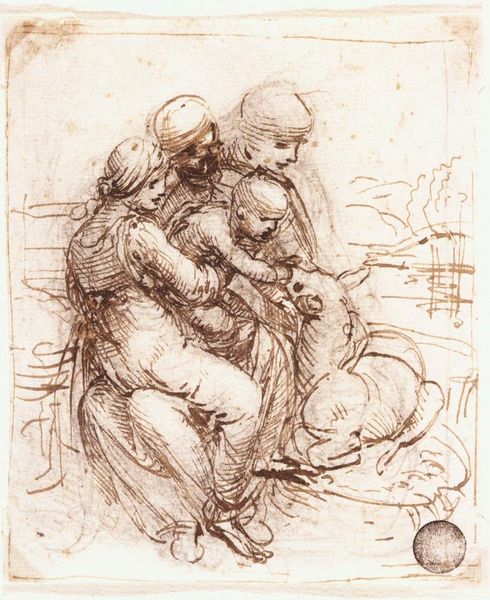
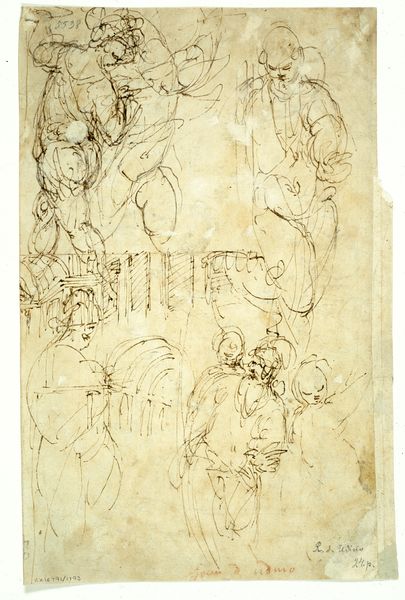
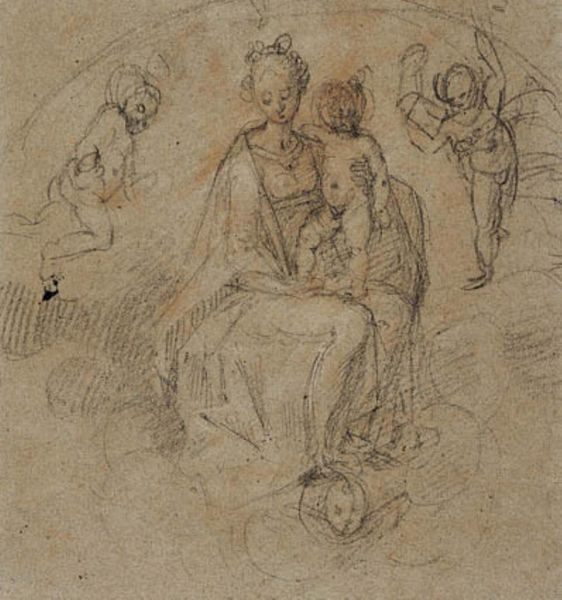
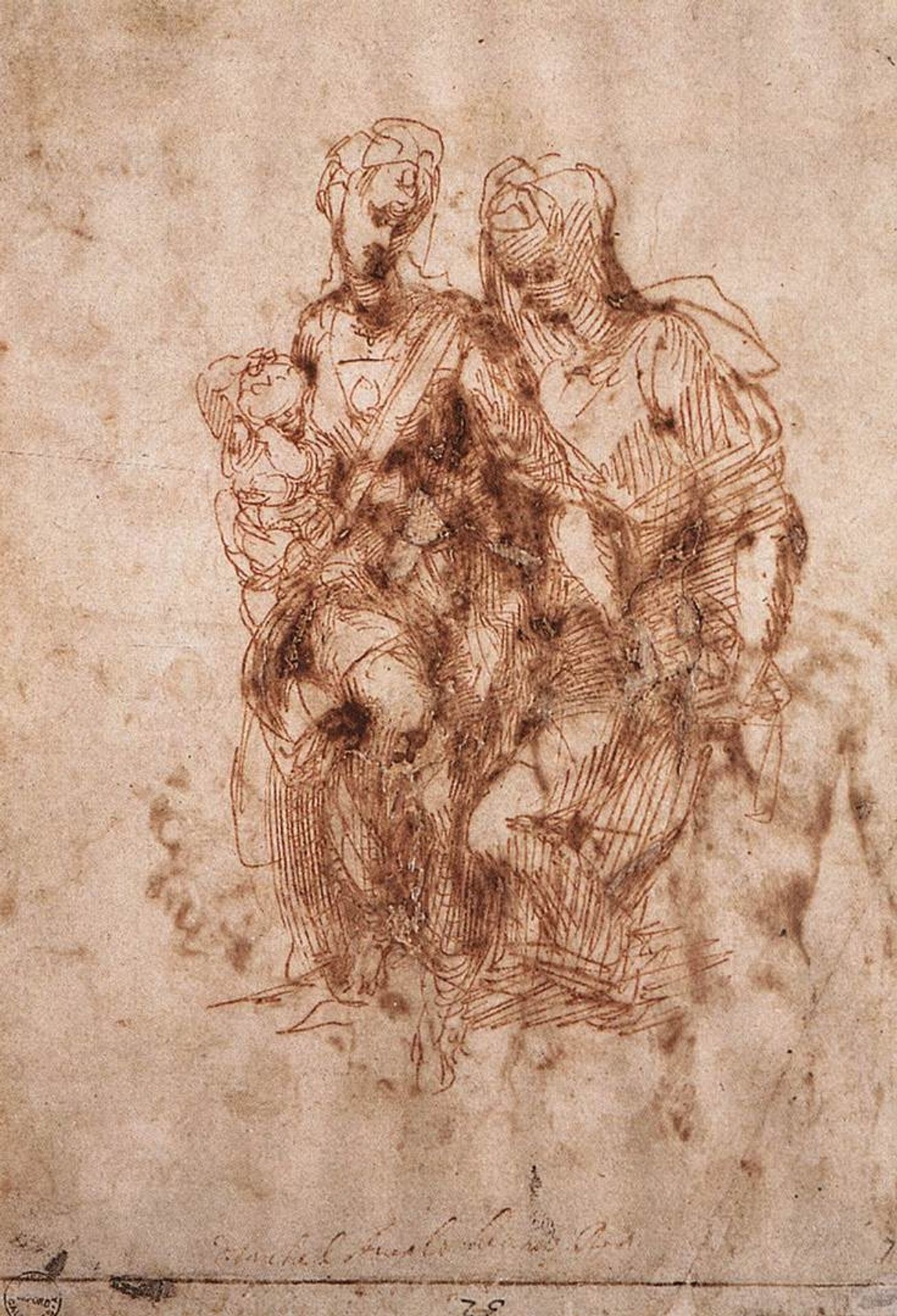
This drawing of Saint Anne with the Virgin and Christ Child was created by Michelangelo in the 16th century. The Renaissance in Florence was a time of rebirth in art, but still very much informed by religion. The drawing depicts three generations of the Holy Family. Typically, Saint Anne's depiction was as a silent figure. Here, Michelangelo challenges this traditional representation. He brings Anne forward, emphasizing her presence and her role in the lineage. The tender embrace in the image speaks volumes about intergenerational relationships, a dynamic that persists through time. Michelangelo’s work often reflects the values and social structures of his time, yet there is something deeply human, and therefore timeless, about familial bonds. The drawing invites us to reflect on the dynamics of family, how we see ourselves within our own lineage, and how those relationships shape our identities.
St. Anne with Virgin and Child Christ
1502

Michelangelo
1475 - 1564Location
Ashmolean Museum, Oxford, UKArtwork details
- Medium
- drawing, paper, pen
- Dimensions
- 25.4 x 16.8 cm
- Location
- Ashmolean Museum, Oxford, UK
- Copyright
- Public domain
Tags
Comments
Share your thoughts
About this artwork
This drawing of Saint Anne with the Virgin and Christ Child was created by Michelangelo in the 16th century. The Renaissance in Florence was a time of rebirth in art, but still very much informed by religion. The drawing depicts three generations of the Holy Family. Typically, Saint Anne's depiction was as a silent figure. Here, Michelangelo challenges this traditional representation. He brings Anne forward, emphasizing her presence and her role in the lineage. The tender embrace in the image speaks volumes about intergenerational relationships, a dynamic that persists through time. Michelangelo’s work often reflects the values and social structures of his time, yet there is something deeply human, and therefore timeless, about familial bonds. The drawing invites us to reflect on the dynamics of family, how we see ourselves within our own lineage, and how those relationships shape our identities.
Comments
Share your thoughts